FIFA Drops Controversial World Cup Mega Deal
FIFA has walked away from a high-profile and widely criticized World Cup commercial deal, marking a significant shift in how football's governing body handles its biggest tournament partnerships.



FIFA Backs Away From World Cup Deal Under Pressure
FIFA has abandoned a controversial mega deal linked to the World Cup, according to reporting by The Nightly. The decision marks a notable reversal for football's global governing body, which had faced mounting criticism over the arrangement. The scrapped deal had drawn scrutiny from multiple corners of the football world, with concerns raised about transparency and the commercial direction of the sport's flagship tournament.
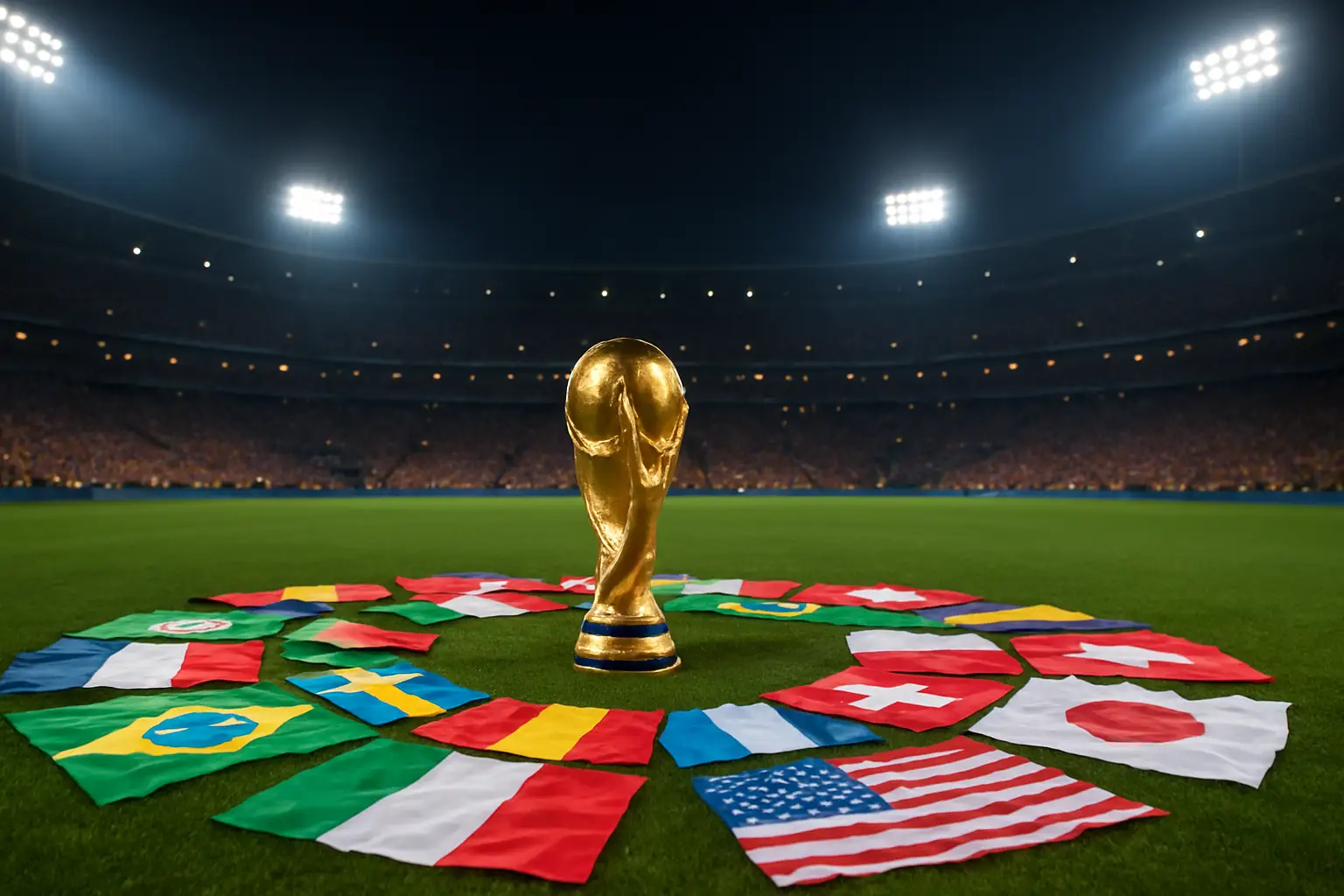
The move comes as FIFA continues to manage the complex business landscape surrounding the expanded 48-team World Cup format, which is set to be held across the United States, Canada, and Mexico in 2026. Large-scale commercial partnerships have become an increasingly sensitive subject for the organization, particularly as it tries to rebuild credibility following years of governance scandals.
Details of exactly which deal was terminated and the specific parties involved remain limited based on current reporting, but the decision signals that internal or external pressure was strong enough to force FIFA's hand.
Why the Deal Was Controversial
The commercial arrangement had attracted criticism significant enough to make FIFA reconsider its position entirely. Deals of this scale tied to the World Cup typically involve substantial sums of money and long-term commitments, making it rare for FIFA to walk away once negotiations have progressed.
Critics of FIFA's commercial strategy have long argued that the organization prioritizes revenue generation over the broader interests of football fans and member associations. Controversial sponsorship and broadcast arrangements have periodically triggered backlash, and this case appears to follow a similar pattern.
The fact that FIFA chose to ditch rather than renegotiate the deal suggests the reputational cost was judged to outweigh the financial benefit. For an organization that derives enormous income from World Cup-related commercial rights, that is not a calculation made lightly.
World Cup Commercial Rights Under Scrutiny
The World Cup is the most lucrative event in football, generating billions of dollars across broadcast rights, sponsorship, and licensing. FIFA's ability to secure and manage those deals directly affects how much money flows down to national associations and, eventually, to grassroots football development globally.
But the scale of those rights has also made them a target for criticism. Questions about who benefits, how deals are structured, and whether FIFA's decision-making process is sufficiently transparent have followed the organization through multiple tournament cycles.
The 2026 tournament is expected to generate record revenues given its expanded format and the size of the North American market. That financial upside makes the decision to abandon any major deal all the more striking, and it will likely prompt questions about what specifically made this particular arrangement untenable.
What Comes Next for FIFA
FIFA has not indicated whether it plans to pursue a replacement deal or restructure its commercial approach ahead of 2026. The organization will be under pressure to fill any financial gap left by the collapsed arrangement, particularly given the infrastructure and operational costs associated with hosting 104 matches across three countries.
For now, the decision to walk away hands FIFA a short-term reputational benefit. It positions the governing body as willing to act when a deal crosses a line, rather than defending a partnership regardless of public or institutional opinion.
Whether that goodwill translates into a more transparent commercial process going forward is a separate question. FIFA's track record invites skepticism, and observers will be watching closely to see how the organization handles its next round of major World Cup negotiations.


Football Correspondent
Alex covers football and the global game with fast, sharp analysis.