Kids Flock to Badminton in Warragul and Drouin Region
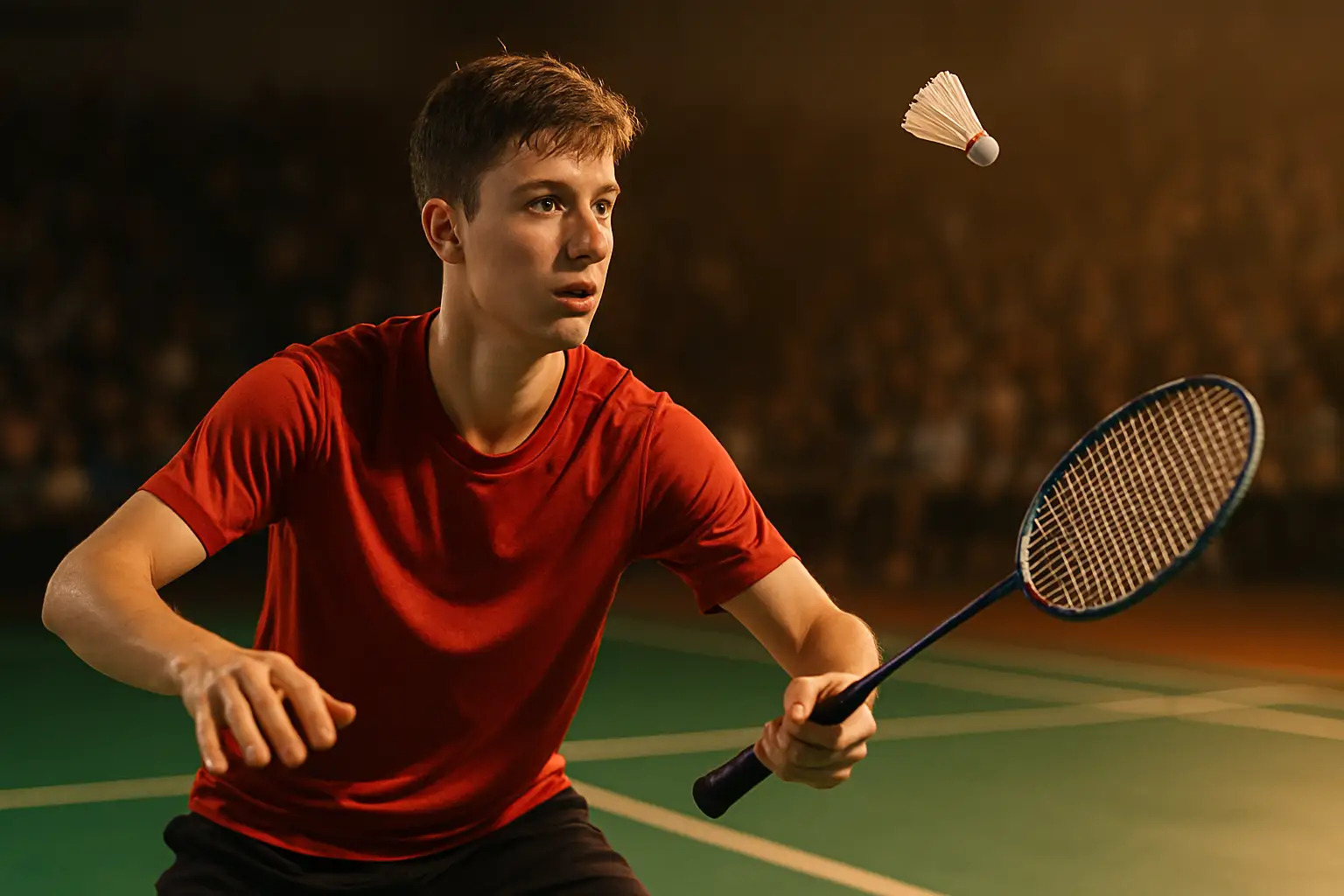
Young players are turning up in growing numbers for badminton in the Warragul and Drouin area, signalling a surge of junior interest in the sport.


Junior Badminton Boom Hits Gippsland
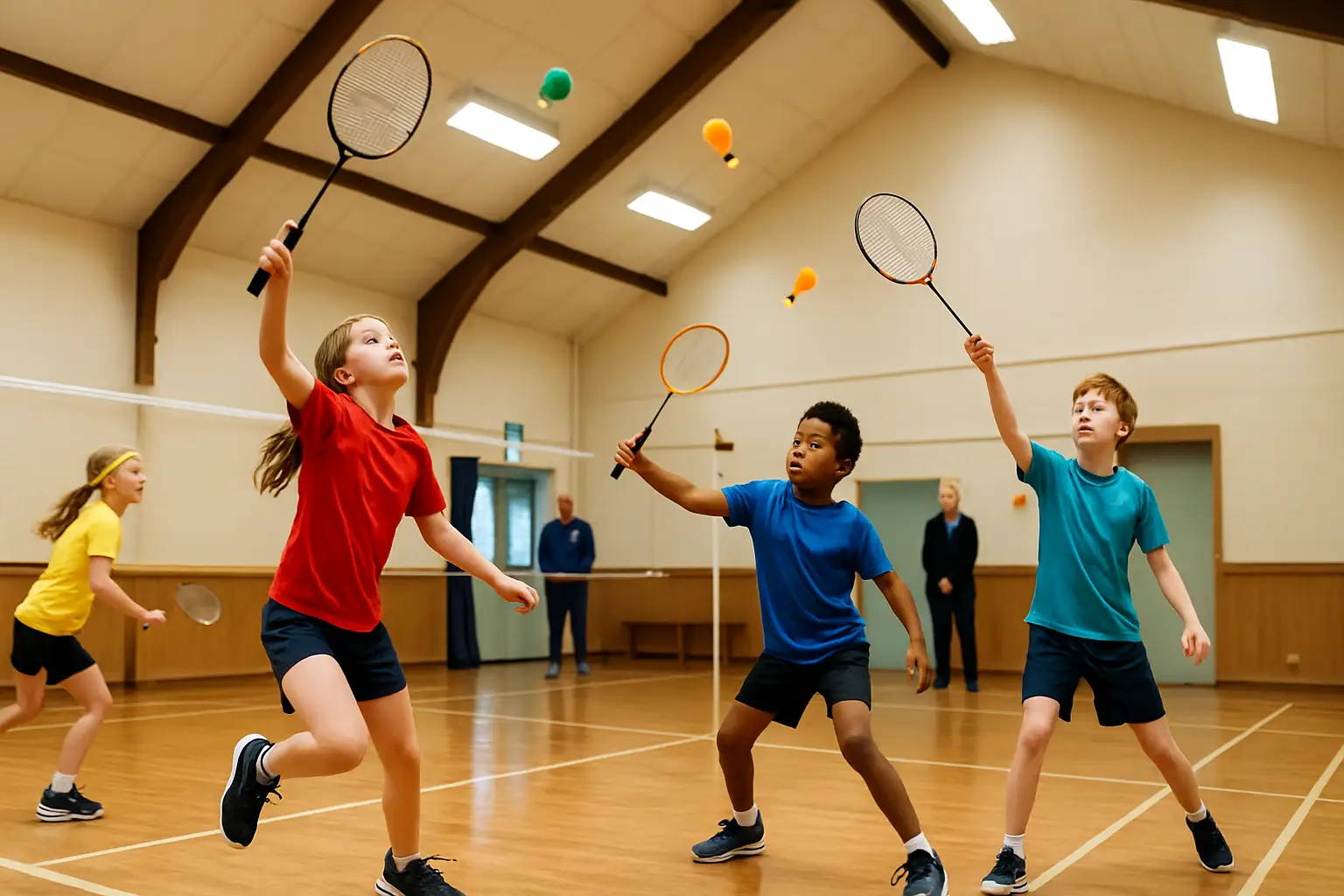
Badminton is pulling in kids across the Warragul and Drouin region, with local clubs reporting a noticeable jump in junior participation. The trend, highlighted by the Warragul and Drouin Gazette, points to growing grassroots enthusiasm for a sport that requires minimal equipment and can be played indoors year-round.
For many families in the West Gippsland area, badminton has become an accessible entry point into organised sport. The low barrier to entry, whether in terms of cost, physical size requirements, or technical complexity, makes it particularly appealing for younger children who might feel overwhelmed by more contact-heavy team sports.
Local clubs have been working to accommodate the influx, scheduling additional sessions and recruiting volunteer coaches to keep up with demand. The uptick in numbers is not just a seasonal blip. Parents and organisers say the interest appears to be sustained, with children returning week after week and bringing friends along.
What Is Driving the Interest
Several factors appear to be fuelling the rise. Badminton is fast, social, and easy to pick up at a basic level, which helps kids feel competent quickly. That early sense of achievement tends to keep them coming back.
School programs have also played a part. Physical education classes that introduce racquet sports can spark curiosity, and badminton benefits from being straightforward to run with limited space and equipment. When a child enjoys a session at school, the natural next step is finding a local club.
The indoor nature of the sport matters too, particularly in Victoria where weather can disrupt outdoor activities for months at a time. Families looking for a reliable, sheltered option for their kids have found badminton fits that need well.
Community sport in regional areas like Warragul and Drouin also carries a social dimension that urban centres sometimes lack. Smaller clubs tend to be tight-knit, and new junior members are often welcomed into an environment that feels more like an extended family than a competitive program. That culture encourages retention.
What It Means for Local Clubs
A surge in junior numbers is generally good news for any sporting club, but it does come with logistical pressures. Court time needs to be managed carefully, coaching rosters need to expand, and equipment has to stretch further. Clubs that were sized for a modest membership may find themselves needing to think about longer-term capacity.
There is also an opportunity here for regional badminton to build a genuine pipeline of competitive players. Kids who start young and stay with the sport through their teenage years can develop real skill, and regional clubs have historically produced players who go on to compete at state level.
Volunteer coaches and administrators are the engine room of clubs like these, and sustained junior growth depends heavily on those individuals having enough support. Funding through local councils or state sporting bodies can make a meaningful difference in whether a club can scale up properly or ends up turning kids away.
For now, the mood in the Warragul and Drouin badminton community appears to be one of positive energy. Children are showing up, picking up racquets, and discovering a sport with a low floor and a high ceiling. That is rarely a bad place for a local club to find itself.


Badminton Correspondent
Priya Nair covers badminton for 21.fun, from BWF World Tour results to player form, rankings and tactics.