FIFA World Cup Sell-Off Plan Scrapped by Infantino After Backlash
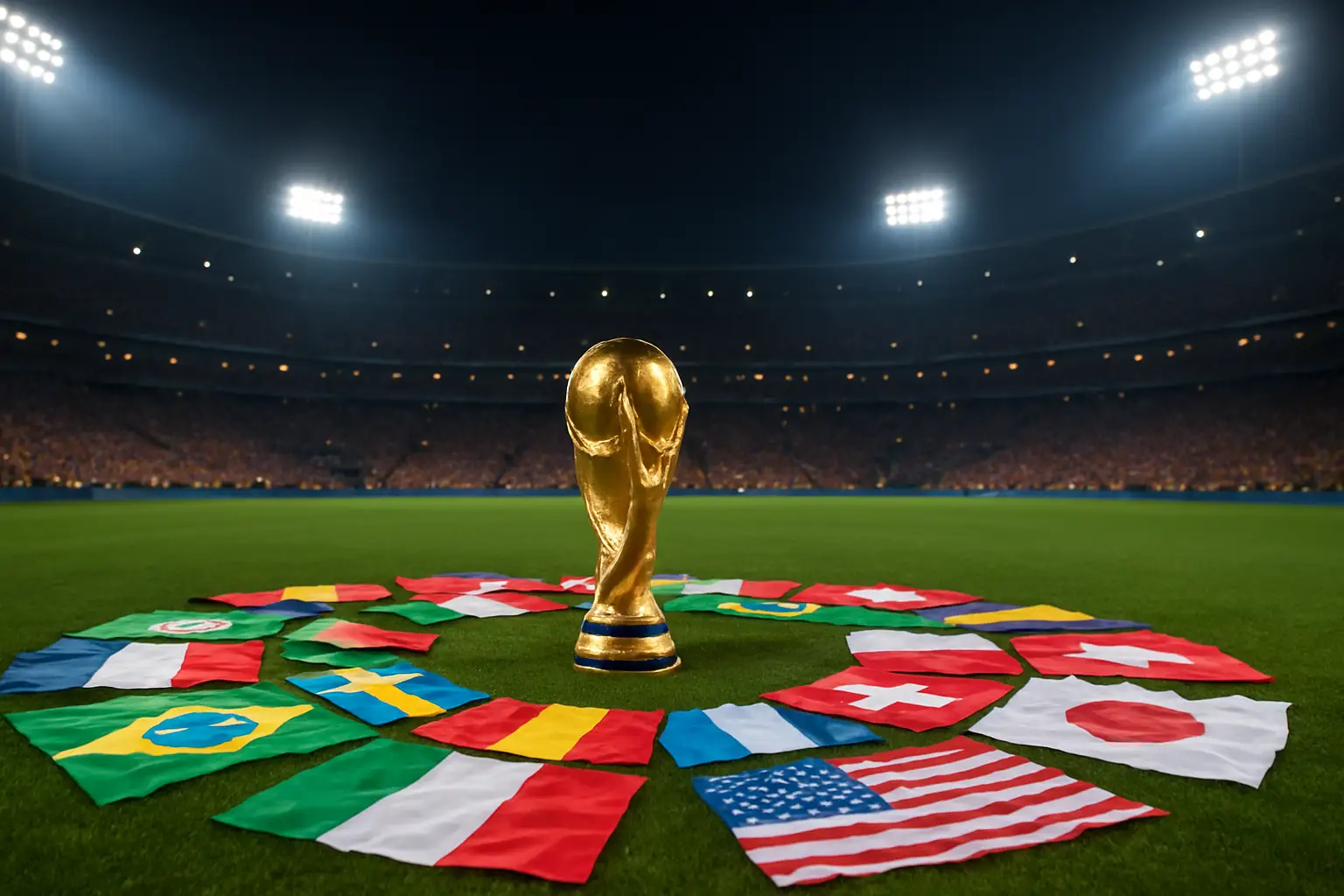
FIFA president Gianni Infantino has abandoned a controversial plan to sell off commercial rights to the FIFA World Cup after it drew sharp criticism from stakeholders across football.



Infantino Pulls Back on FIFA World Cup Rights Sale
FIFA president Gianni Infantino has dropped a plan to sell off commercial rights connected to the FIFA World Cup, reversing course after the proposal triggered significant backlash from within football's governing circles. The decision, reported by ESPN, marks a rare public retreat for Infantino, who has pushed through a series of bold structural changes at FIFA in recent years.
The proposal had reportedly explored the idea of selling a stake in World Cup commercial rights to outside investors, a move that critics argued would compromise FIFA's control over its most valuable asset and potentially reshape how revenue flows through the global game.
Why the Plan Drew Such Sharp Criticism
Opposition to the sell-off plan was swift and vocal. Critics raised concerns that bringing private investment into World Cup rights could dilute the benefits that flow to member associations, particularly smaller football federations that depend heavily on FIFA distributions to fund grassroots development.
There were also broader governance concerns. Selling commercial rights to private investors would introduce third-party financial interests into decisions surrounding the World Cup, one of the most-watched sporting events on the planet. For many inside football, that was a line too far.
The backlash appeared to come from multiple directions, including national associations and figures who felt the plan lacked sufficient transparency or consultation. FIFA has faced persistent scrutiny over governance since the corruption scandals that rocked the organization a decade ago, and any perception of opaque financial dealings tends to draw immediate resistance.
A Rare Reversal for FIFA's Leadership
Infantino has shown a consistent willingness to reshape FIFA's commercial and competitive landscape during his tenure. He pushed through an expanded 48-team World Cup format, launched the controversial Club World Cup expansion, and has pursued a series of ambitious revenue-generating initiatives. Scrapping this particular plan represents an unusual step back.
The withdrawal signals that even within an organization where the president wields considerable influence, there are limits to how far unilateral commercial restructuring can go without buy-in from key stakeholders. FIFA's revenue model is tightly tied to the World Cup cycle, making any proposal to alter the rights structure an especially sensitive subject.
The 2026 FIFA World Cup, co-hosted by the United States, Canada, and Mexico, is expected to generate record commercial revenue for the organization. That context made the idea of selling off a share of those rights all the more contentious, as stakeholders were unwilling to see future earnings potentially diverted to outside investors at a moment when the returns were projected to be historically high.
What Happens Next
With the sell-off plan shelved, FIFA will continue managing World Cup commercial rights directly. The organization has not publicly detailed whether any alternative funding or investment structures are being considered, or whether this idea could resurface in a different form after 2026.
For now, the episode adds to a broader conversation about FIFA's governance and how decisions of this scale are made and communicated. Member associations and football bodies that pushed back will likely view the reversal as a sign that organized resistance to top-down decisions can still work.
Original reporting on the story was published by ESPN.


Football Correspondent
Alex covers football and the global game with fast, sharp analysis.