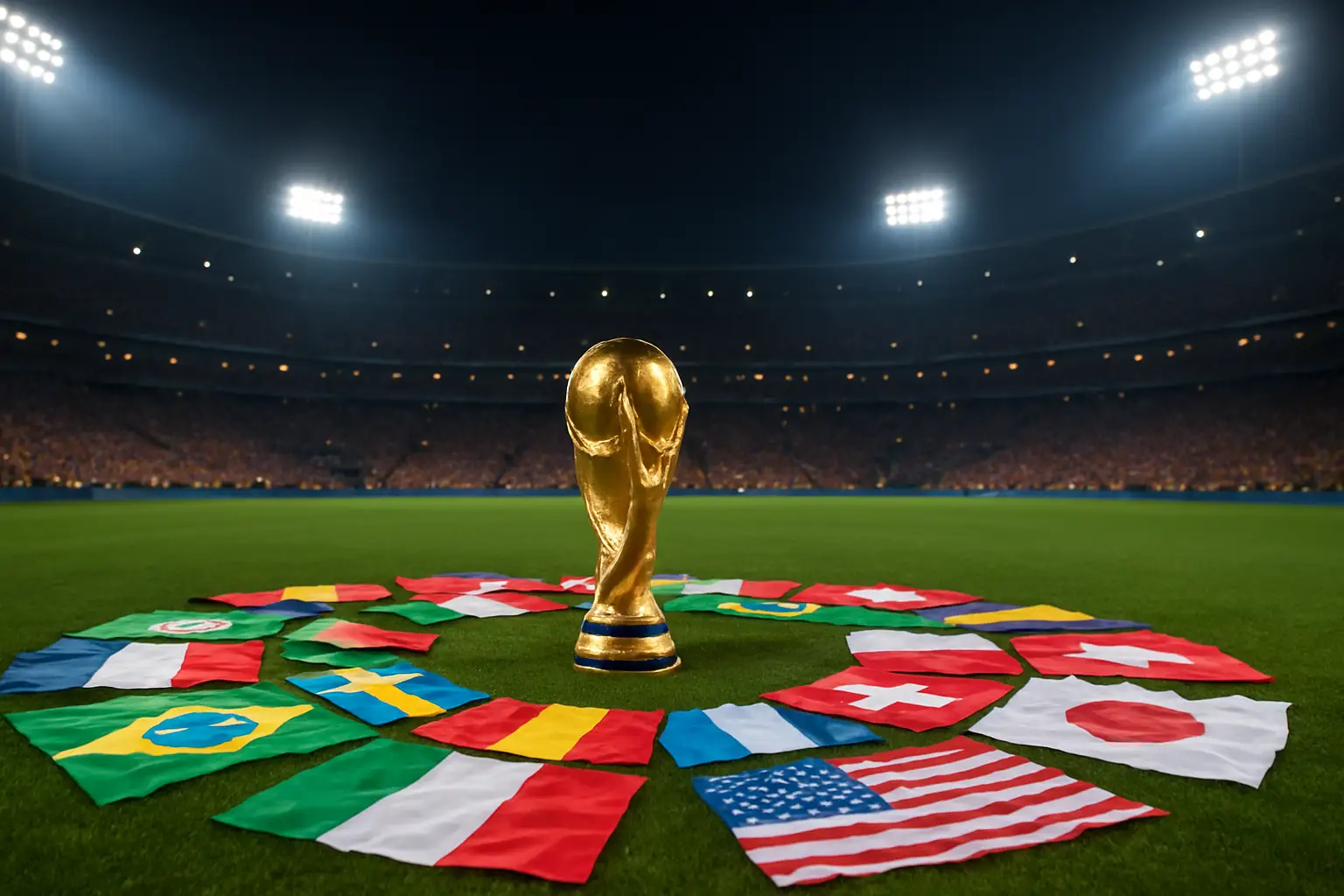
FIFA Drops World Cup Privatisation Plan After Backlash
FIFA has abandoned a controversial plan to privatise parts of the World Cup after facing fierce opposition from member associations and football stakeholders.



FIFA World Cup Privatisation Plan Scrapped
FIFA has walked back a plan to privatise elements of the World Cup after the proposal drew fierce criticism from member associations and football bodies around the world. The governing body confirmed it was dropping the initiative following sustained pushback from stakeholders who argued the move threatened the integrity and public nature of the tournament.
The privatisation proposal had raised alarm across the football community. Critics feared that handing commercial control of World Cup operations to private investors would prioritise profit over the interests of fans, players, and national associations. The backlash was swift and broad, forcing FIFA leadership to reconsider.
What the Plan Would Have Changed
While full details of the proposal were not publicly released by FIFA, the plan reportedly involved bringing in outside private investment to take a stake in the commercial operations tied to the World Cup. For many associations, that represented a fundamental shift in how the sport's biggest event would be governed and monetised.
Member federations pushed back hard. For smaller football associations, the concern was that privatisation could reduce the share of revenues distributed to them, cutting funding that many rely on to develop the game domestically. The World Cup generates billions of dollars in revenue across each cycle, and how that money flows through the football pyramid matters enormously to nations with limited independent income.
Opposition was not confined to smaller nations. Influential confederations and officials within FIFA's own structure reportedly voiced serious reservations, making it difficult for the plan to gain the internal support needed to move forward.
FIFA Responds to Pressure
Facing that level of resistance, FIFA opted to abandon the privatisation plan rather than push it to a vote. The decision reflects the limits of what the governing body can impose on its member associations, who retain significant collective power over major structural decisions.
FIFA has not publicly detailed what alternative commercial strategies it may pursue. The organisation continues to expand the World Cup format, with the 2026 tournament in the United States, Canada, and Mexico set to feature 48 teams for the first time. That expansion alone is expected to significantly increase revenue compared to previous cycles, which may reduce the financial pressure that reportedly drove the privatisation discussion in the first place.
The episode underlines the ongoing tension inside football governance between the commercial ambitions of FIFA leadership and the concerns of the wider membership. Private investment models have been floated in other corners of football, including in club competitions, and have met resistance in several of those cases too.
For now, the World Cup remains under the direct commercial control of FIFA, as it has been throughout the tournament's history. Whether the privatisation idea returns in a different form in future planning cycles remains to be seen.


Football Correspondent
Alex covers football and the global game with fast, sharp analysis.