23 Million Fans Wanted Argentina Banned From the World Cup
A petition demanding Argentina's expulsion from the World Cup gathered 23 million signatures. FIFA didn't budge, and Argentina stayed in the tournament.



The Petition That Shook World Football
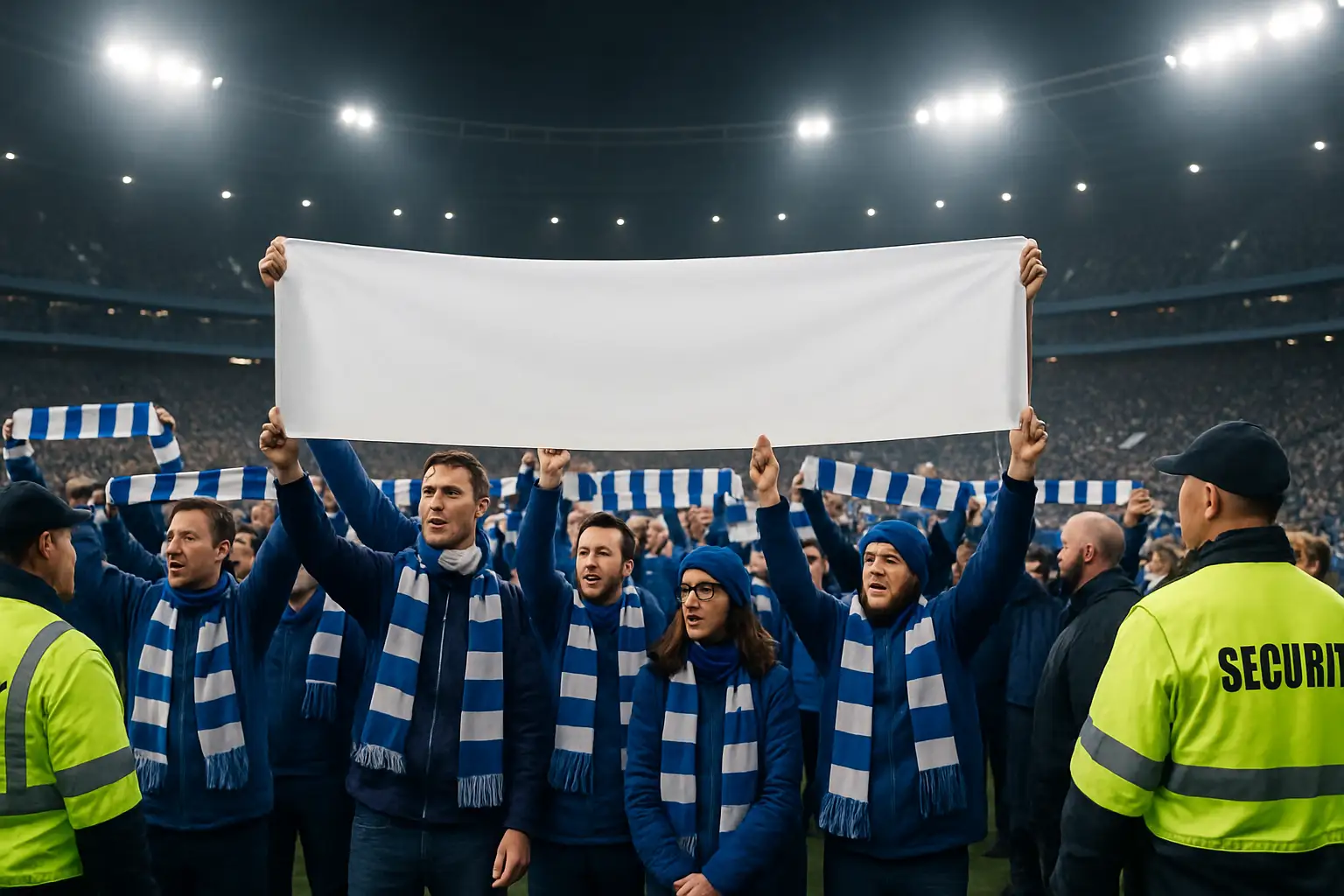
A staggering 23 million fans signed a petition calling for Argentina to be banned from the World Cup, making it one of the largest fan-driven protests in football history. The campaign gained rapid traction across social media, drawing signatures from supporters around the globe who felt strongly enough to put their names behind a formal demand for expulsion. Despite the sheer scale of the backlash, the effort changed absolutely nothing.
FIFA, world football's governing body, did not act on the petition. Argentina remained in the competition, and the story became less about any rule violation and more about the limits of fan pressure when it runs up against institutional authority.
What Drove 23 Million People to Sign
The petition reflected deep frustration among a large section of the global football community. Whether the anger stemmed from a specific incident, a controversial moment during a match, or broader feelings about how Argentina conducts itself on the international stage, the response was extraordinary in its size. Reaching 23 million signatures is not a small feat. Online petitions regularly stall in the thousands, and even high-profile campaigns rarely crack seven figures. This one blew past that threshold by a wide margin.
The speed of the campaign pointed to how quickly football controversy can mobilize people online. Social platforms amplified the call, and fans who might never have engaged with formal protest mechanisms found it easy enough to add their name to the list.
FIFA's Position and Why It Held
Governing bodies in sport rarely respond to public petitions by making competitive decisions, and FIFA is no exception. Banning a nation from a World Cup is an extreme measure, one the organization reserves for very specific circumstances, including breaches of statutes, government interference in football administration, or serious disciplinary violations that go through official channels.
A petition, regardless of how many people sign it, does not fit that process. FIFA operates through its own regulatory and disciplinary structures, and fan sentiment, while important commercially and culturally, does not override those mechanisms. The 23 million signatures sent a clear message about public feeling, but they had no legal or procedural weight within FIFA's framework.
Argentina's participation in the tournament continued without interruption, a reminder that institutional inertia in football is formidable, even when public pressure reaches historic levels.
What This Means for Fan Power in Football
The episode raises genuine questions about where fan influence actually begins and ends in modern football. Supporters have successfully pushed back against club owners, influenced kit designs, and in some cases contributed to managerial sackings. But altering competitive decisions made by bodies like FIFA is a different challenge entirely.
The gap between online mobilization and real-world outcomes is often wide in sport. Signing a petition takes seconds. Changing a governing body's decision requires formal complaints, legal challenges, or the kind of internal political pressure that comes from member associations, not individual fans.
For Argentina, the story added another chapter to the country's complicated relationship with global football opinion. The team's passionate fanbase and its history of high-profile moments, both celebrated and condemned, mean it regularly sits at the center of heated debate. This petition was exceptional in its scale, but the outcome was predictable. FIFA was never going to remove a major footballing nation from its flagship tournament based on a public campaign, no matter how many people joined it.


Football Correspondent
Alex covers football and the global game with fast, sharp analysis.