FIFA vs UEFA World Cup Power Struggle Leaves Canada Watching
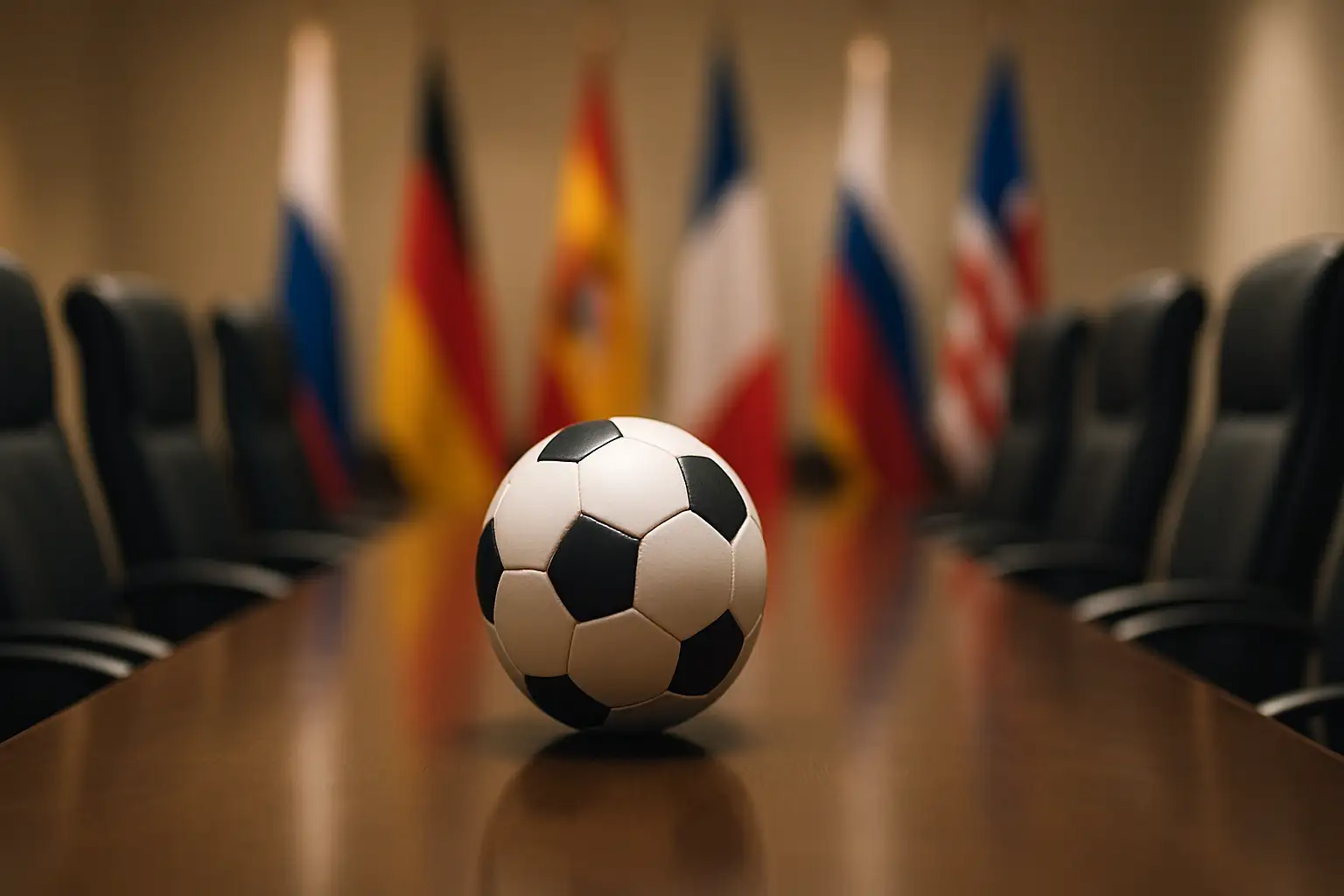
A deepening dispute between FIFA and UEFA over the World Cup's future has left host nation Canada and much of the football world as bystanders in a high-stakes governance battle.



FIFA and UEFA Are Fighting Over the World Cup's Direction
The tension between FIFA and UEFA over the future shape of the World Cup has moved beyond boardroom disagreement into something that looks increasingly like an open power struggle. As the two governing bodies trade positions on how global football's flagship tournament should be run, countries like Canada, which is co-hosting the 2026 edition alongside the United States and Mexico, find themselves waiting on the sidelines while decisions get made above them.
The dispute, reported by The Province, centers on the direction FIFA wants to take the World Cup against what UEFA and its European member associations are prepared to accept. The friction reflects a broader tension about who controls the sport's most valuable commercial and competitive asset.
What Is Actually at Stake
The World Cup is football's single biggest revenue generator. FIFA's decision to expand the tournament to 48 teams starting in 2026 was already controversial among European clubs and leagues, who argued it would stretch an already congested calendar further. That disagreement has not gone away.
UEFA, which represents European football's most powerful clubs, leagues, and national associations, has consistently pushed back on FIFA's unilateral approach to reshaping the international calendar and tournament formats. European clubs carry much of the financial weight of developing players who then represent their nations at FIFA events, yet those clubs have limited formal say in how tournaments are structured or scheduled.
FIFA, under president Gianni Infantino, has pursued an expansionist agenda, including the enlarged Club World Cup and the 48-team World Cup, framing both as opportunities to grow the game in new markets. UEFA and its allies see some of those moves as prioritizing revenue and politics over sporting quality.
Canada and the Rest of the World Watch
For Canada Soccer and the other co-hosts, the governance fight is largely out of their hands. Canada is preparing infrastructure, logistics, and a national team capable of competing on home soil, but the structural arguments about the tournament's future are being settled, or not settled, by the two most powerful blocs in world football.
The same applies to most of the other confederations. CONMEBOL, CAF, AFC, and the smaller bodies each have seats at the FIFA Congress table, but the real leverage in this dispute sits with Europe. UEFA's threat to withdraw cooperation, or even participation, would be a serious disruption to any tournament's commercial viability.
That dynamic leaves much of the football world in a holding pattern. Federations in Asia, Africa, and the Americas are building toward 2026 and the tournaments beyond it, but the rules of engagement are still being contested by others.
What Comes Next
Neither FIFA nor UEFA has shown signs of backing down quickly. The structural disagreements over calendar rights, revenue sharing, and tournament formats are tied to long-term contracts and institutional interests that do not bend easily.
For fans and host nations like Canada, the practical impact of this dispute is uncertainty. If the two bodies reach a workable compromise, the 2026 World Cup and future editions proceed with broad buy-in. If the standoff hardens, the sport faces a more fragmented landscape where Europe's biggest clubs and UEFA's national teams could, in theory, operate in ways that conflict with FIFA's global schedule.
Canada's 2026 role remains secure for now. But the fight over what the World Cup looks like in 2030 and beyond is far from settled, and the people deciding that fight are not in Ottawa or Toronto.


Football Correspondent
Alex covers football and the global game with fast, sharp analysis.