Stanford Football Players Launch Fraternity Chapter to Fight for More Rights
Stanford football players have formed what they are calling a fraternity chapter as part of a push to secure greater rights and recognition for college athletes.


Stanford Players Take a New Organizing Approach
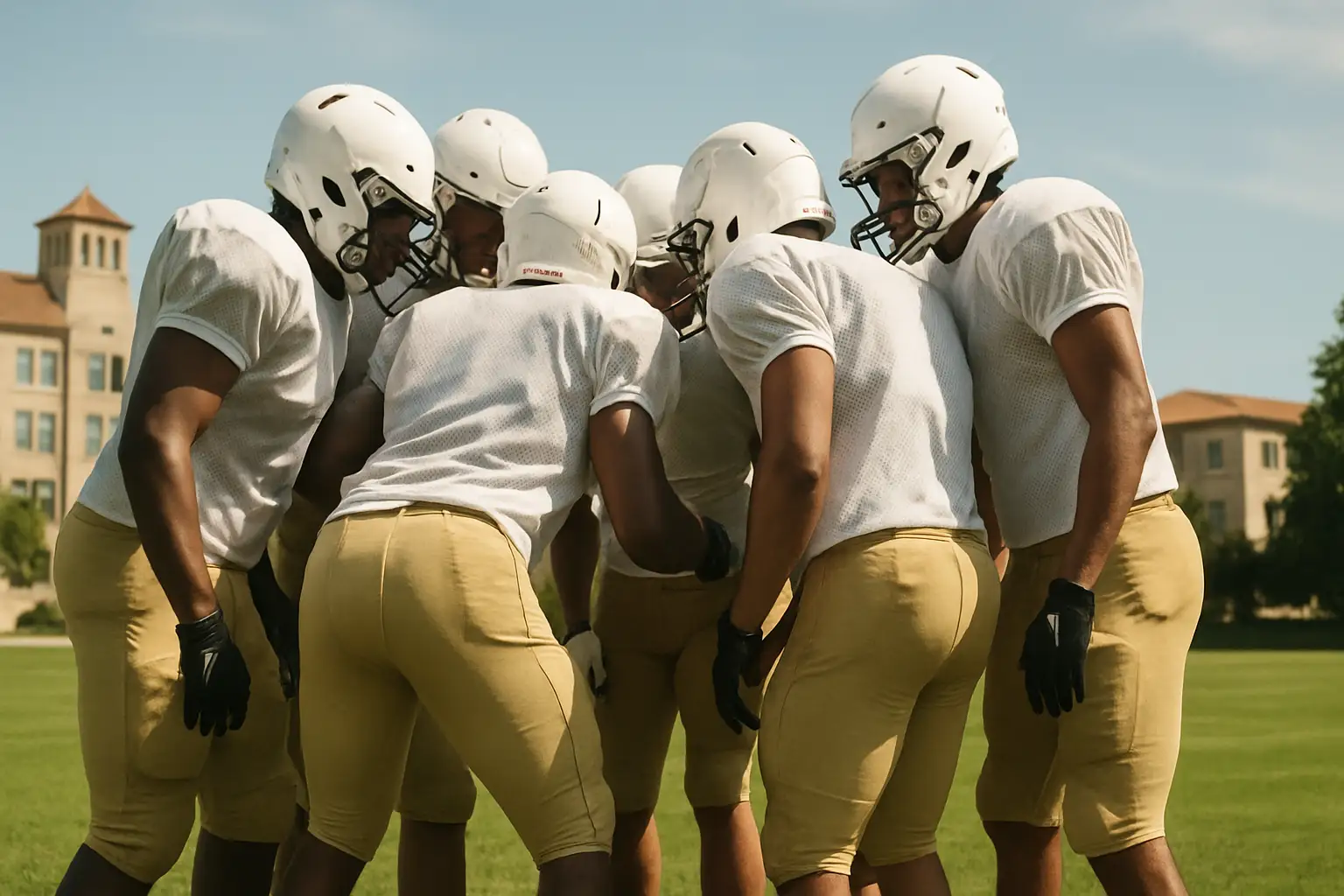
Stanford football players have launched a fraternity chapter as a vehicle for pursuing more rights, according to reporting by Palo Alto Online. The move marks an unusual organizing strategy at one of the country's most academically prestigious programs, where athletes are now borrowing a social institution familiar to college campuses and repurposing it as a collective advocacy structure.
The fraternity chapter model gives players a formal, recognized framework to meet, organize, and push for changes in how they are treated within the program and under the broader rules governing college athletics. It is a creative workaround at a moment when the legal and regulatory landscape around athlete rights, compensation, and representation is shifting fast.
Why College Athletes Are Pushing for More Rights
The effort at Stanford fits into a much wider movement across college football and other sports. Since the NCAA relaxed its name, image, and likeness rules in 2021, athletes have gained the ability to earn money from endorsements and sponsorships. But many players argue that NIL reforms did not go far enough. Questions around revenue sharing, transfer rules, health protections, and the basic employment status of college athletes remain unsettled.
Lawsuits and labor actions at programs around the country have pushed the conversation further. Some athletes have explored union organizing, while others have worked through player associations or collectives. Stanford's fraternity chapter approach appears to offer yet another model, one that may carry social legitimacy on a campus where Greek life has historically held cultural weight.
By framing the effort as a fraternity, the players may also be signaling a desire for community and mutual support, not just a transactional relationship with the athletic department. That framing could help recruit members and build solidarity across roster positions and class years.
What the Chapter Hopes to Achieve
The specific demands or goals tied to the new chapter were not fully detailed in the original Palo Alto Online report, but the broader aim is to give players a stronger collective voice. That could cover anything from practice schedules and academic support to travel conditions and a share of the revenue that major college football programs generate.
Stanford football operates in an interesting context. The university announced in 2023 that it would keep its football program after briefly planning to cut it, and the team has been working to rebuild competitive momentum. Players who fought to save the program now appear to be channeling that same energy into fighting for a bigger say in how it runs.
The fraternity structure also creates a sense of continuity. Unlike a one-time petition or protest, a chapter can recruit new members each year, hold regular meetings, and build institutional memory. That kind of staying power is something looser organizing efforts often lack.
A Broader Shift in College Athletics
Stanford's move is one more data point in the ongoing transformation of the college sports industry. Courts, legislators, and the NCAA itself are all wrestling with questions that did not seem urgent a decade ago. Can college athletes be employees? Should they share in television and sponsorship revenue? Who speaks for them when disputes arise?
The House v. NCAA antitrust settlement, which is working its way through the courts, could open the door to direct revenue sharing between schools and athletes. If that happens, having an organized player body at the program level becomes more than symbolic. It becomes a potential bargaining unit.
Whether other programs follow Stanford's fraternity chapter model remains to be seen. But the creativity of the approach reflects how much the conversation has changed. College athletes are no longer waiting for administrators or governing bodies to hand them rights. They are building structures designed to claim them.


Football Correspondent
Alex covers football and the global game with fast, sharp analysis.