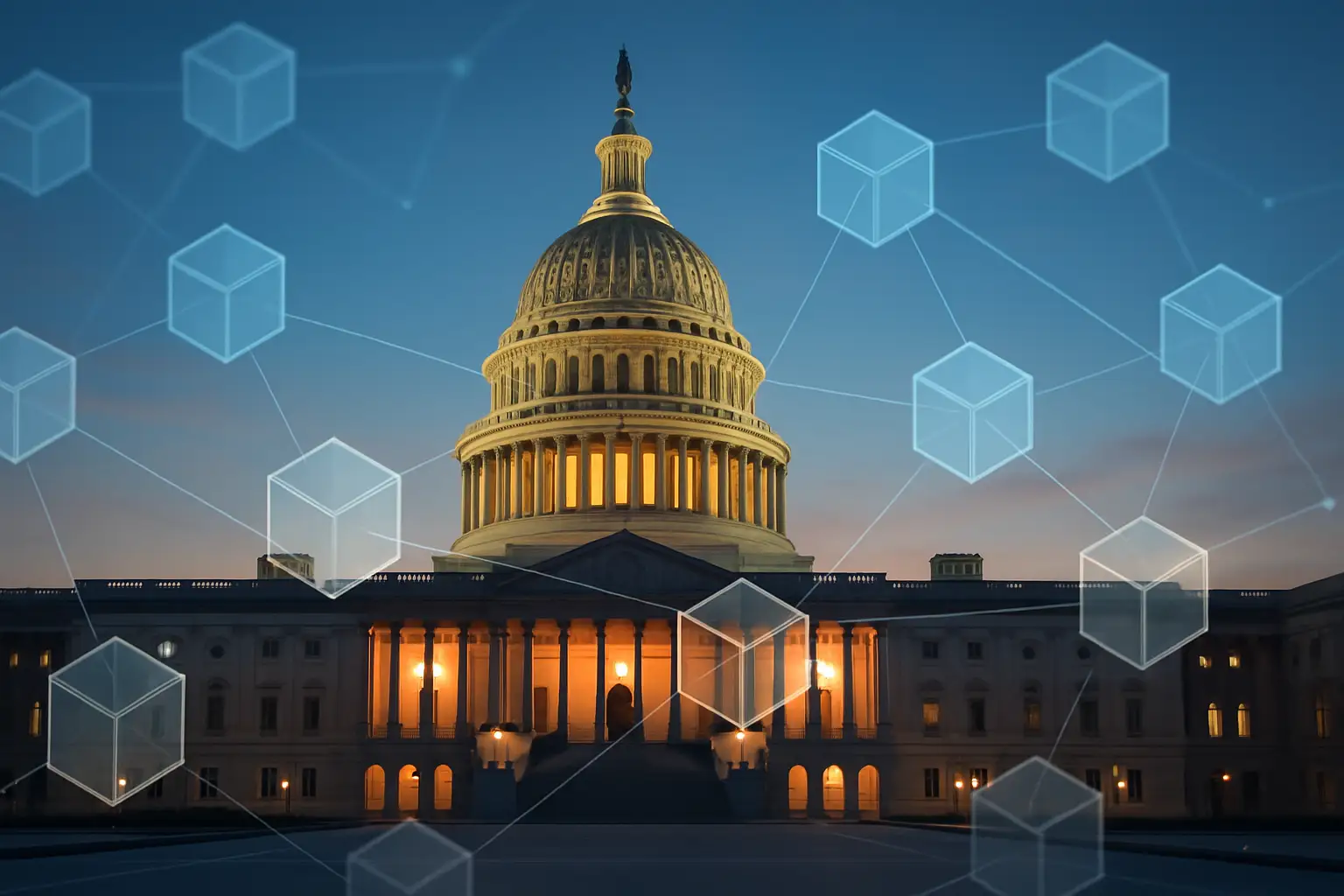
CLARITY Act Delay Puts Billions in Crypto Investment at Risk
Stalled progress on the CLARITY Act is raising alarms across the crypto industry, with analysts warning that regulatory uncertainty could cost the sector billions in investment.



What the CLARITY Act Delay Means for Crypto Markets
The CLARITY Act, a piece of legislation designed to establish clearer regulatory boundaries for digital assets in the United States, has hit a significant roadblock. According to reporting from Pluang, the delay is not just a procedural inconvenience. It carries a real financial cost, with billions of dollars in potential crypto investment hanging in the balance.
Regulatory clarity has long been one of the most requested items from institutional investors considering exposure to digital assets. Without a defined legal framework, many large players, including asset managers, hedge funds, and corporate treasuries, remain reluctant to commit significant capital to the crypto space. The stalled CLARITY Act feeds directly into that hesitation.
The legislation was intended to resolve long-running disputes over which digital assets qualify as securities and which should be treated as commodities. That distinction matters enormously. It determines which federal agency, the Securities and Exchange Commission or the Commodity Futures Trading Commission, has jurisdiction over a given token or platform. Without that answer, companies operating in crypto face overlapping and sometimes contradictory regulatory pressure.
Billions on the Sidelines
The stakes are concrete. Industry observers have pointed to the regulatory gray zone as one of the primary reasons institutional capital has been slower to enter crypto markets than many anticipated after the approval of spot Bitcoin ETFs earlier this year. The CLARITY Act was supposed to address that hesitation directly.
With the bill stalled, that capital is staying put. Firms that had been planning product launches or market expansions tied to a clearer regulatory environment are now in a holding pattern. Startups that need legal certainty to attract venture funding face a harder pitch. The longer the delay drags on, the more investment migrates to jurisdictions that have already enacted workable crypto frameworks, including parts of Europe and Asia.
This is not a theoretical risk. Countries that moved earlier on digital asset regulation, such as the UAE and Singapore, have seen measurable increases in crypto business activity and investment inflows. The U.S. risks ceding that ground the longer Congress takes to act.
Why the Delay Is Happening
Legislative delays on crypto bills are not new. Competing priorities in Congress, disagreements between regulatory agencies, and lobbying from both crypto-friendly and crypto-skeptical factions have all contributed to a slow-moving process. The CLARITY Act specifically has faced friction over how broadly or narrowly to define which assets fall under each regulatory body.
There is also a political dimension. Crypto regulation has become a more prominent issue in election cycles, and some lawmakers are cautious about locking in positions before public and industry sentiment becomes clearer. That caution translates into delays at a time when the industry says it needs answers.
Smaller crypto companies feel this pressure most acutely. They lack the legal teams that larger firms maintain to navigate ambiguous rules, and they often cannot afford to wait years for Congress to reach consensus. Some have already relocated operations or restructured their token offerings to sidestep U.S. regulatory exposure entirely.
What Comes Next
The path forward for the CLARITY Act remains uncertain. Supporters of the bill argue that continued delay is itself a policy choice, one that defaults to regulatory ambiguity and hands competitive advantage to other markets. Critics say the legislation needs more refinement before it becomes law, particularly around consumer protection provisions.
For investors watching from the sidelines, the situation is frustrating but familiar. Crypto has operated in a patchwork regulatory environment for years, and markets have adapted, sometimes awkwardly. But the scale of capital now eyeing the sector makes the cost of that ambiguity higher than it has ever been.
Until the CLARITY Act or comparable legislation moves forward, the U.S. crypto market will continue to operate under rules that were not designed for it. That gap between the existing legal framework and the realities of digital asset markets is where billions in potential investment remain frozen, waiting for Washington to decide.


Crypto & Markets Analyst
Jordan breaks down crypto markets and digital assets for everyday readers.