
Fake Crypto App on Apple Store Accused of Stealing $1.8 Million
Apple is facing accusations that it allowed a fraudulent cryptocurrency app to remain on the App Store long enough for scammers to steal $1.8 million from victims.
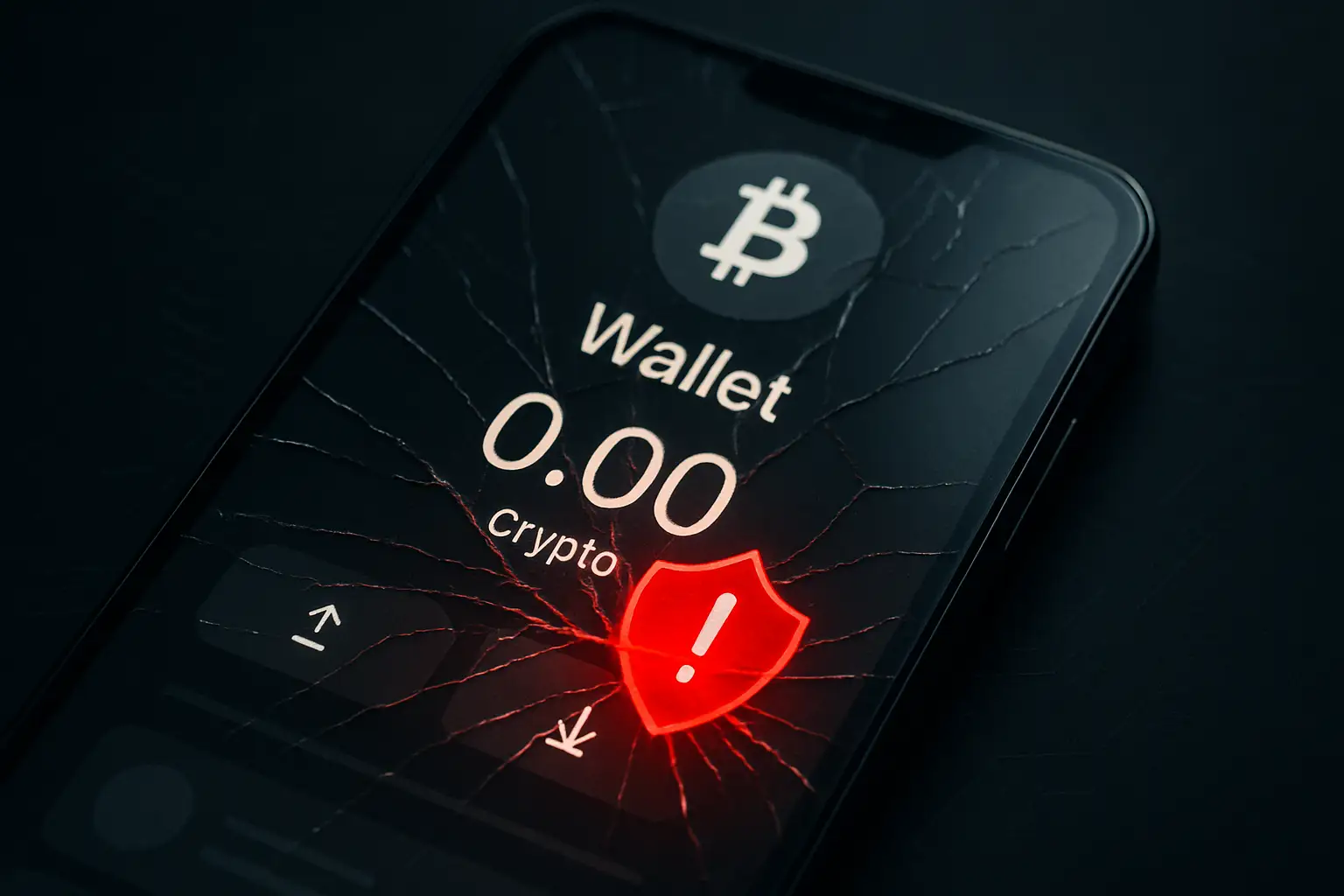


Apple Under Fire Over Fraudulent Crypto App
A fake crypto app that slipped through Apple's App Store review process allegedly helped scammers drain $1.8 million from unsuspecting users, according to a report by Security Boulevard. The case has renewed scrutiny of how effectively Apple screens the apps it hosts, particularly in the cryptocurrency space where fraud is common and financial stakes are high.
The accusation puts Apple in a difficult position. The company has long marketed its App Store as a safe, curated marketplace, with app reviews serving as a key line of defense against malicious software. Critics argue that when a fraudulent app capable of stealing nearly two million dollars gets through, that defense has clearly failed.
Details from the Security Boulevard report indicate that the app was designed to impersonate a legitimate crypto platform. Users who downloaded and trusted the app ended up losing real money, with total losses reaching $1.8 million. The scale of the theft suggests the app had enough time on the platform to reach a meaningful number of victims before being flagged.
How Fake Crypto Apps Operate
Fraudulent crypto applications typically follow a familiar playbook. They mimic the interface and branding of well-known exchanges or wallets, then either harvest login credentials or trick users into depositing funds directly into attacker-controlled accounts. Some use fake trading dashboards to convince victims their investments are growing, keeping them engaged, and depositing more, until withdrawal requests are blocked or ignored.
The App Store has seen this type of scam before. In 2021, a user reported losing bitcoin worth hundreds of thousands of dollars to a fake Trezor app that Apple had approved. That incident prompted widespread criticism at the time, but the latest case suggests the problem has not been fully resolved.
Apple charges developers a $99 annual fee to list apps and requires submissions to pass a review process that includes both automated scanning and human review. The company has maintained that this system filters out the vast majority of bad actors. However, security researchers have repeatedly shown that motivated fraudsters can pass these checks, particularly when they disguise malicious functionality or gradually introduce harmful features after approval.
What This Means for Crypto Users
For anyone using mobile apps to manage cryptocurrency, the case is a reminder that the App Store label alone is not a guarantee of safety. A few practical steps can reduce risk significantly.
First, always verify an app by navigating directly to the official website of the exchange or wallet provider and following their own download link. Second, check the developer name listed in the App Store against the company's official contact information. Scam apps often use developer accounts with names that are close to, but not exactly, the legitimate company. Third, look at the number of reviews and the account history. A new app with very few ratings claiming to be a major platform should raise immediate suspicion.
The broader concern is that crypto users tend to be high-value targets. Transactions are irreversible, and unlike credit card fraud, there is no chargeback mechanism. Once funds leave a wallet to an attacker's address, recovery is extremely unlikely without law enforcement intervention, and even then success is rare.
Apple's Responsibility and What May Come Next
The accusation against Apple is partly legal and partly reputational. If victims or regulators push further, Apple could face pressure to demonstrate more rigorous vetting of financial and crypto-related apps. In some jurisdictions, platforms that host fraudulent financial products may carry liability exposure, though the legal picture for app stores remains unsettled.
Apple has not been shy about positioning the App Store's curation as a consumer protection feature, using it as an argument against allowing third-party app marketplaces on its devices. That argument becomes harder to make when a single fraudulent app causes $1.8 million in losses.
Security Boulevard's reporting on this case adds to a growing body of documented incidents where crypto scams have successfully navigated app store review systems at both Apple and Google. Regulators in the US, UK, and EU have been paying closer attention to how large platforms handle financial fraud, and cases like this tend to feed into those conversations.
For now, the immediate lesson is straightforward: no app marketplace review process is foolproof, and users operating in the crypto space carry more personal responsibility for vetting the tools they use than they might in traditional finance.


Crypto & Markets Analyst
Jordan breaks down crypto markets and digital assets for everyday readers.