Bitcoin Miners May Shift Roles From Validators to Active Participants
Bitcoin miners could be moving beyond their traditional validation role, potentially taking on broader functions in the evolving crypto ecosystem.


A Potential Role Change for Bitcoin Miners
Bitcoin miners have long been the backbone of the network, confirming transactions and securing the blockchain through proof-of-work. Now, according to reporting by Pluang, that role may be expanding. Discussions are growing around whether Bitcoin miners could shift from acting purely as validators to taking on more active positions within the broader crypto ecosystem.
This is not a small operational tweak. Miners currently earn revenue through block rewards and transaction fees. Any structural shift in what they do, or how they participate in the network, would carry significant implications for how Bitcoin itself functions and how miners run their businesses.
What the Shift Could Look Like
The specifics of what a new miner role might involve remain under discussion, but the direction points toward miners becoming more active rather than purely passive infrastructure providers. In traditional proof-of-work mining, the job is straightforward: solve the cryptographic puzzle, validate a block, collect the reward. The miner does not decide which transactions are prioritized beyond the basic fee market, and does not engage in governance or protocol-level decisions in any formal way.
A shift toward a more active role could mean miners taking on responsibilities that go beyond simple validation. This might involve participating in second-layer network infrastructure, contributing to fee market decisions, or engaging with emerging Bitcoin-based protocols that require more deliberate miner coordination.
The conversation is partly driven by the long-term economics of mining. Bitcoin's block reward halves roughly every four years. With each halving, miners become more dependent on transaction fees to cover operating costs. As that pressure builds, some in the industry argue miners need to find new ways to generate value and stay relevant in the network beyond just hashing power.
Why This Matters for the Crypto Market
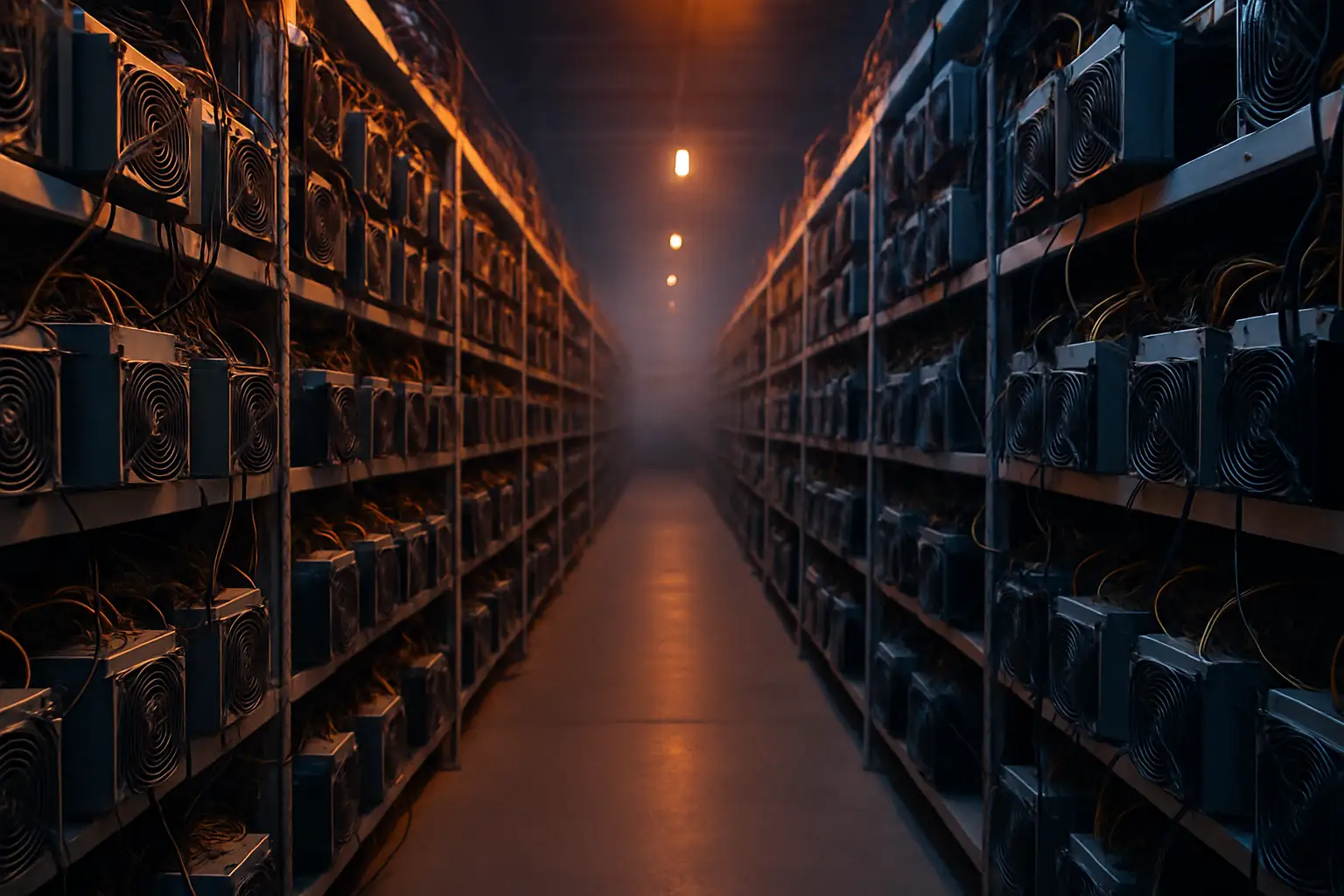
Mining is one of the most capital-intensive parts of the Bitcoin ecosystem. Large mining operations run thousands of specialized machines, consume substantial electricity, and require constant hardware upgrades to stay competitive. If miners begin to adopt new roles, the economics of that infrastructure shift as well.
For investors and observers watching the Bitcoin market, any change in miner behavior is worth tracking closely. Miners are often among the first to sell Bitcoin when they need liquidity, making their financial health a meaningful signal for market sentiment. A broadening of their role could change how they interact with BTC holdings and how they think about long-term positioning.
There is also a network security dimension. Bitcoin's security model depends on miners competing honestly to win block rewards. Introducing new incentive structures or responsibilities needs to be carefully considered so that it does not create conflicts of interest or weaken the decentralized nature of block validation.
Context and What Comes Next
This conversation is happening alongside a broader maturation of the Bitcoin network. Developments like the Ordinals protocol, Bitcoin-native smart contract experiments, and growing interest in Bitcoin layer-2 solutions have all introduced new on-chain activity that miners must process. That activity brings more transactions and potentially more fees, but it also raises questions about how miners engage with a Bitcoin network that is becoming more complex.
Pluang's reporting highlights that the industry is actively thinking through what miners should be in the next phase of Bitcoin's development. Whether that results in formal protocol changes, voluntary coordination among mining pools, or simply an informal expansion of what large miners do day to day remains to be seen.
What is clear is that the static image of a Bitcoin miner as a purely mechanical validator is being questioned. The economics, the technology, and the network's growing complexity are all pushing in the same direction: toward miners who are more engaged participants rather than passive processors of blocks.


Crypto & Markets Analyst
Jordan breaks down crypto markets and digital assets for everyday readers.