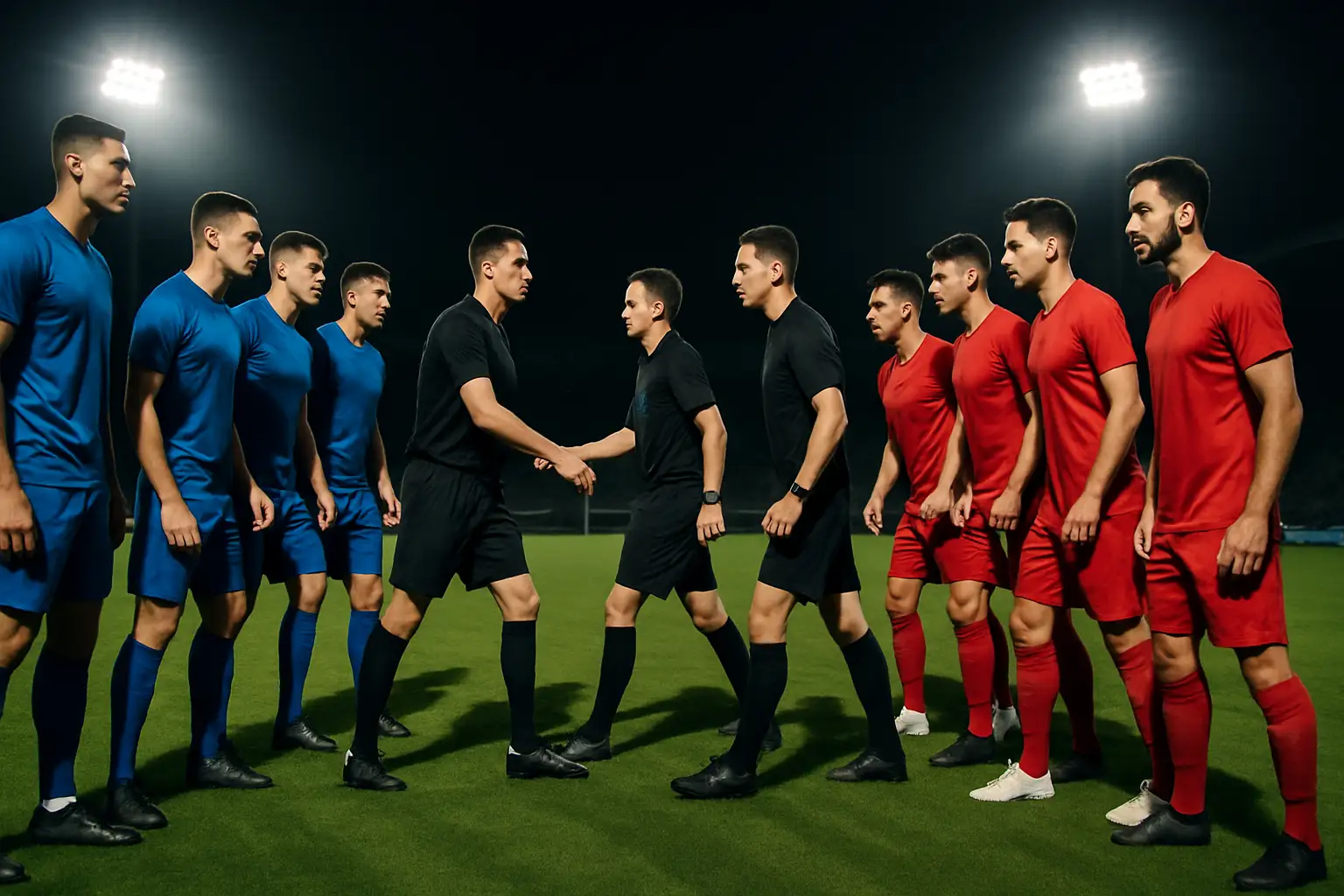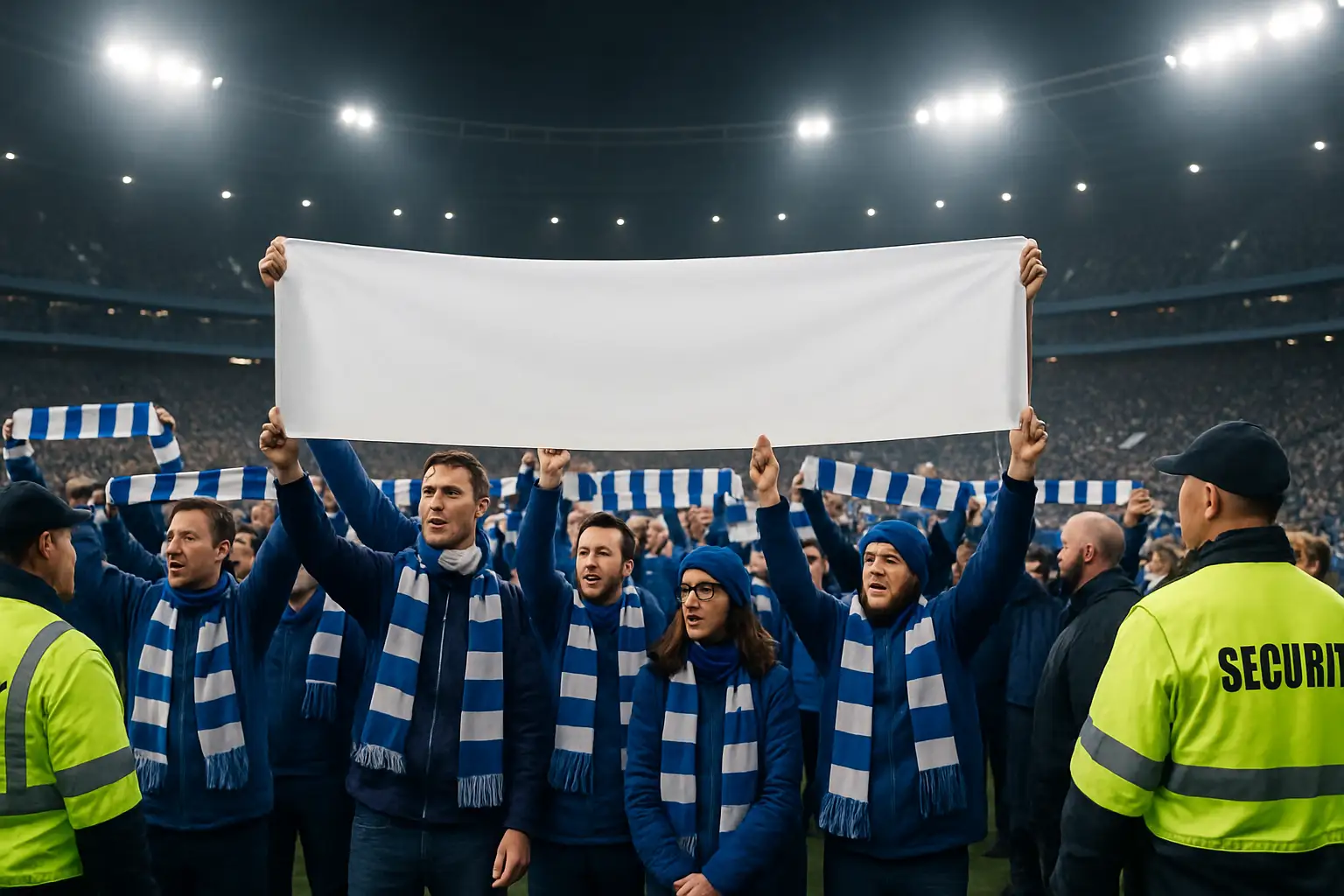
What the World Cup Is Teaching the U.S. Sports Industry
The World Cup is reshaping how U.S. sports executives think about fan engagement, operations, and global event hosting, according to Sports Business Journal.



A Global Stage With Local Lessons
The World Cup has long been the biggest sporting event on the planet, but for U.S. sports industry insiders, it is increasingly becoming a classroom. According to reporting from Sports Business Journal, American executives, venue operators, and league officials are drawing concrete takeaways from how the tournament runs, and those lessons are filtering back into domestic sports business strategy.
With the United States set to co-host the 2026 FIFA World Cup alongside Canada and Mexico, the urgency to learn from the current tournament cycle has never been sharper. Industry leaders are watching closely, not just as fans, but as operators who will soon be responsible for delivering a comparable experience on home soil.
Fan Experience and Stadium Operations
One of the clearest areas of study is fan experience. The World Cup draws a genuinely global audience into host stadiums, creating a crowd composition that most U.S. venues almost never see. Managing multilingual signage, diverse food and beverage needs, ticketing systems that work across international markets, and transportation logistics at that scale presents challenges that the NFL, NBA, and MLB rarely face in a single event.
U.S. venue operators have been paying attention to how host cities handle crowd flow, security screening, and the fan journey from arrival to kickoff. These are not abstract concerns. Stadiums in cities like New York, Los Angeles, Dallas, and Miami will need to absorb World Cup crowds in 2026, and the gap between current capabilities and what is required is something executives are actively working to close.
Sports Business Journal's coverage highlights that the World Cup offers a real-world stress test for ideas that U.S. sports properties have discussed but rarely had to execute at true global scale.
Sponsorship, Media, and Commercial Takeaways
Beyond operations, the commercial side of the World Cup is generating its own set of lessons. The tournament's sponsorship model, which operates through FIFA's global partner structure, is different from how U.S. leagues typically sell inventory. American brands and agencies have been studying how multinational sponsors activate around a property that transcends a single domestic market.
Media rights and streaming behavior are also under the microscope. The World Cup draws viewers who do not regularly watch domestic soccer, and how broadcasters package, promote, and distribute that content has implications for how U.S. rights holders think about growing casual audiences. The tournament consistently demonstrates that the right event can bring in viewers who otherwise ignore a sport for four years.
For U.S. soccer specifically, each World Cup cycle tends to produce a spike in youth participation, merchandise sales, and MLS interest. Sports business analysts are tracking whether that conversion from tournament viewer to ongoing fan is becoming more durable, or whether it remains a temporary bump.
Preparing for 2026
The most direct application of World Cup lessons is preparation for 2026. U.S. Soccer, the host city organizing committees, and FIFA's local infrastructure partners are all in active planning phases. The insights being absorbed from the current tournament, covering everything from volunteer management to broadcast compound logistics, are feeding directly into that work.
Sports Business Journal's analysis points to a broader shift in how the U.S. sports industry positions itself relative to global football. Hosting the World Cup is not just a prestige project. It is a commercial opportunity that touches sponsors, broadcasters, hospitality companies, technology vendors, and city governments simultaneously.
The scale of coordination required is prompting some U.S. sports executives to reconsider how siloed their organizations typically operate. A domestic league game involves a defined set of stakeholders. A World Cup match in an American city involves federal agencies, international governing bodies, global broadcast partners, and local governments all moving together. That complexity is itself a lesson worth learning early.


Football Correspondent
Alex covers football and the global game with fast, sharp analysis.