World Cup Closing Ceremony: Trump's Appearance Caps a Tournament of Controversy
Donald Trump's high-profile presence at the World Cup closing ceremony put a surreal final stamp on a tournament that critics say was defined by excess and lasting damage.


Trump Takes Center Stage at World Cup's Final Curtain
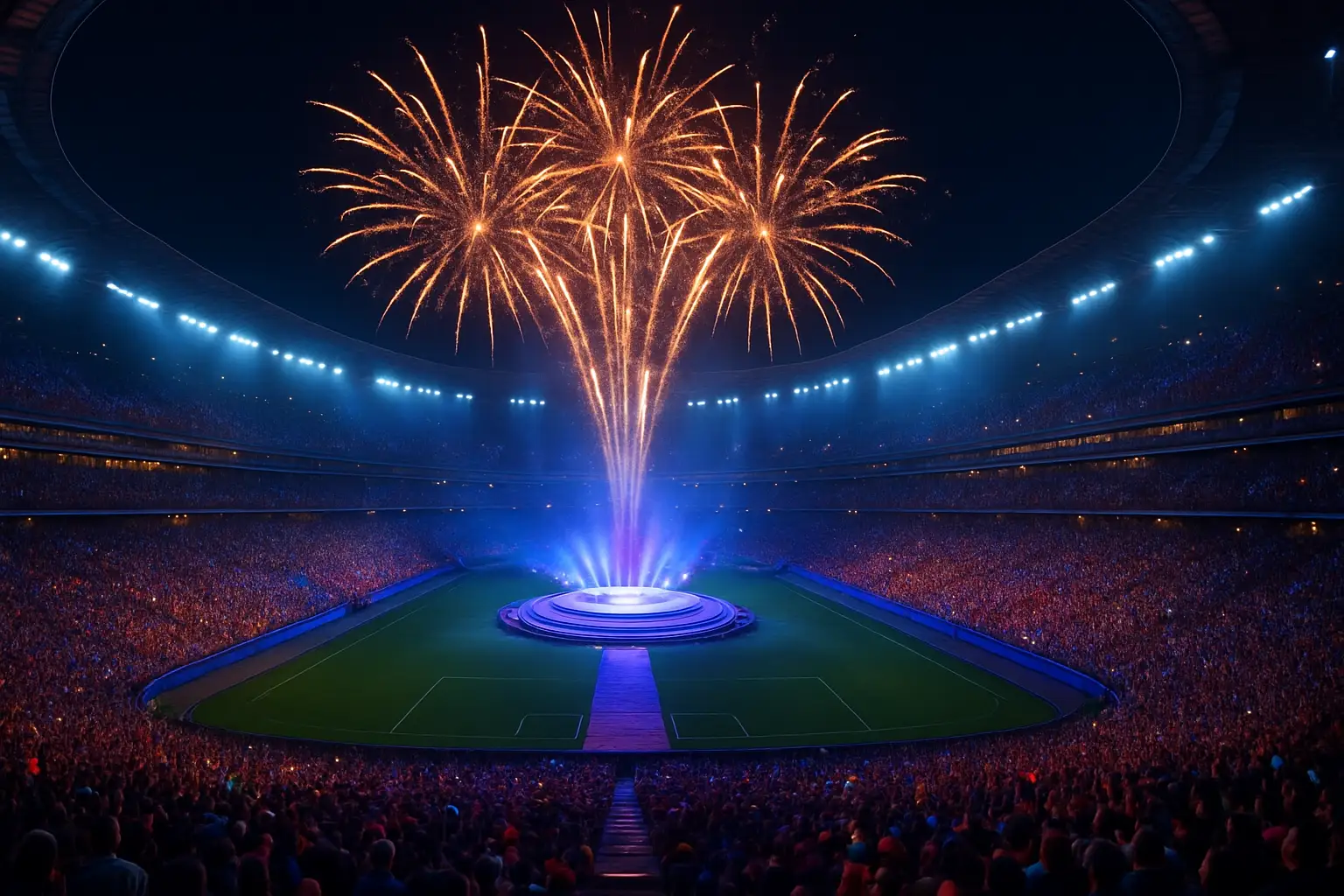
The 2026 FIFA World Cup closing ceremony delivered one last jolt of political spectacle when Donald Trump appeared before a packed stadium, giving the tournament a send-off that many observers found entirely in keeping with the event's broader tone. The Guardian described the moment as a "fever-dream" conclusion to a competition that had been shadowed by controversy from the opening whistle.
Trump's involvement was not incidental. As U.S. president and a vocal advocate for the joint U.S., Canada, and Mexico hosting bid, he had inserted himself into the tournament's orbit long before the final match. His appearance at the closing ceremony translated that political investment into a very public, very televised moment - one that drew both cheers and sharp criticism depending on where you stood.
For critics, the scene captured something essential about this particular World Cup: a global sporting event where the spectacle of power often competed for attention with the sport itself.
A Tournament Defined by Excess
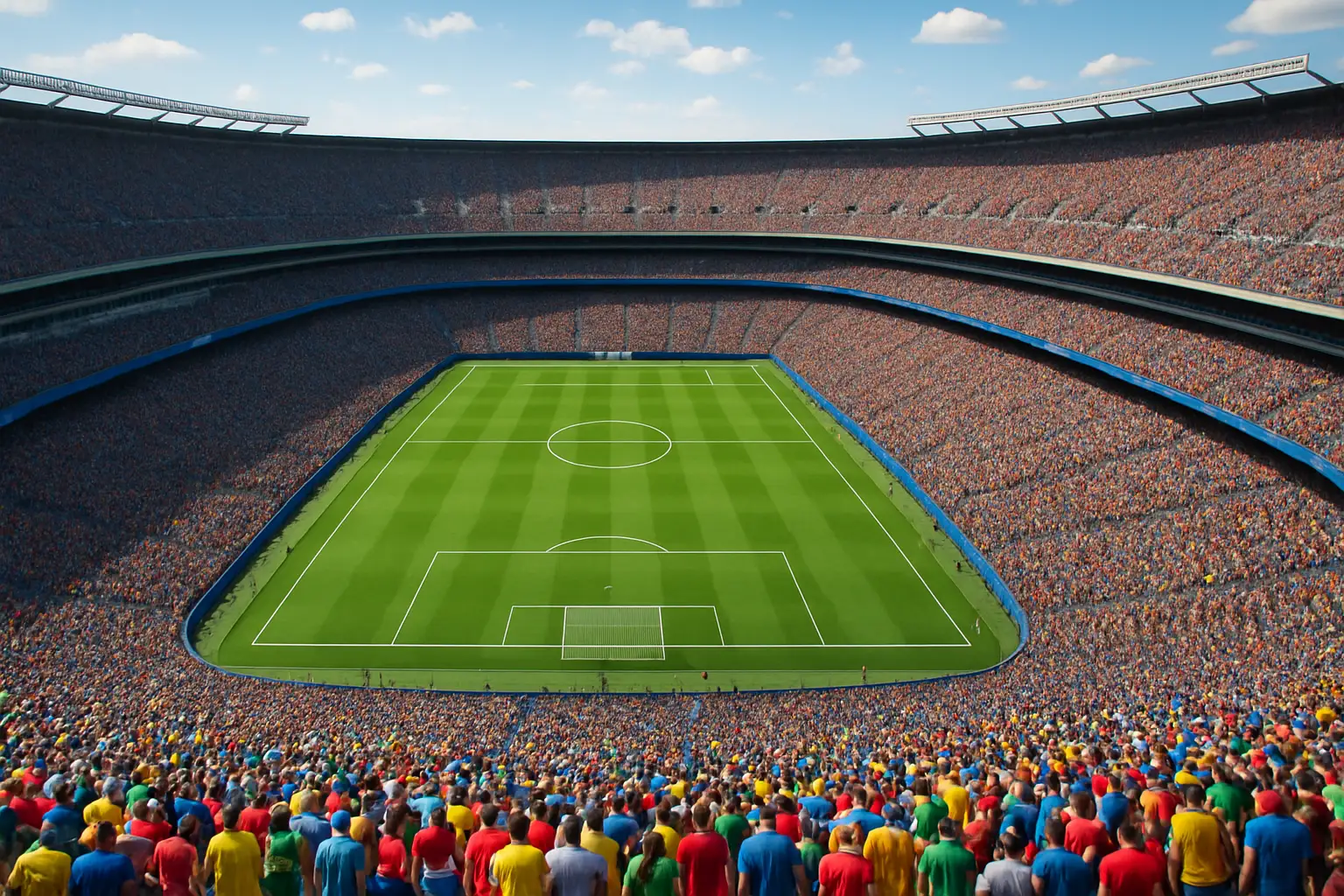
Before the final ball was kicked, this World Cup had already attracted substantial criticism over its scale and the costs attached to staging it. The expanded 48-team format, introduced for this edition, meant more matches, more venues, and a logistical footprint that stretched across three countries and dozens of cities.
Concerns were raised early about the environmental impact of hosting such a sprawling event, with critics pointing to the carbon cost of fans, teams, and broadcast crews moving between venues spread across an entire continent. Infrastructure spending drew scrutiny too, with questions about whether the long-term benefits to host communities would justify the investment.
The Guardian's coverage framed the tournament as one defined by a kind of institutional excess, where FIFA's ambitions for growth kept outpacing any serious reckoning with the downsides. Hosting rights, commercial deals, and broadcast revenue remained the central priorities, while the social and environmental toll was treated as secondary.
None of this is entirely new to World Cup criticism. But the 2026 edition, by virtue of its unprecedented size and its U.S.-centric political backdrop, gave those critiques fresh material to work with.
Politics on the Pitch
Trump's presence was the most visible symbol of how thoroughly politics ran through this tournament. A sitting U.S. president attending the closing ceremony of a FIFA World Cup is itself unusual, and the imagery it produced was impossible to separate from the broader political moment.
Reporters and columnists, including those at The Guardian, noted that the ceremony felt less like a celebration of football and more like a piece of political theatre. The optics of a global audience watching Trump take a prominent role in FIFA's showcase event gave the closing act a quality that was difficult to categorize as purely sporting.
Support for his appearance split largely along predictable lines. Fans who had spent the tournament celebrating American co-hosting saw it as fitting that the country's leader was present for the finale. Critics argued it handed a powerful propaganda moment to a political figure who had repeatedly used the World Cup as a backdrop for his own messaging.
FIFA, for its part, has never been shy about its relationships with heads of state, and the organization's willingness to accommodate Trump's high-profile role reflected its broader approach to political access.
What the 2026 World Cup Leaves Behind
When the dust settles on the 2026 edition, the football itself will eventually take its place in the record books. Goals, upsets, standout players, and the name of the champion will be catalogued alongside every previous tournament.
But the off-pitch narrative is likely to linger. The combination of a bloated format, significant environmental criticism, and a closing ceremony that leaned heavily into American political identity gave this World Cup a character that went well beyond the ninety minutes on the field.
The Guardian's framing of the Trump moment as a fitting end to a "World Cup of excess and damage" reflects a view held by a significant portion of football observers: that the tournament's growth model is producing events that strain the sport's credibility as much as they expand its reach.
Whether FIFA draws any lessons from that criticism before the next cycle begins is a separate question. The commercial machine that drives the World Cup rarely pauses long enough to seriously entertain it.


Football Correspondent
Alex covers football and the global game with fast, sharp analysis.