2026 FIFA World Cup Lessons: Rings, Hydro Breaks and the NFL Factor
From hydration breaks to NFL stadium expertise, the 2026 FIFA World Cup left behind a set of clear lessons. Here are numbers 10 through 6.


The 2026 FIFA World Cup Left a Distinct Footprint
The 2026 FIFA World Cup, held across the United States, Canada and Mexico, did more than crown a champion. It generated a detailed record of what worked, what surprised organizers, and what future hosts will almost certainly copy. The Sports Examiner has been working through the tournament's top lessons, and entries 10 through 6 cover some of the most talked-about operational and cultural shifts seen at the competition.
These mid-list entries focus on three broad areas: player welfare measures like hydro breaks, the influence of NFL infrastructure on how games were staged, and the symbolic weight of championship rings in American sports culture meeting global football.
Hydro Breaks Became a Serious Talking Point
Heat was a genuine concern at a summer tournament spread across cities like Miami, Dallas and Los Angeles. Hydration breaks, already used in youth and lower-level football when temperatures spike, entered the conversation at the highest level of the game. Their inclusion in certain matches drew attention to how FIFA and match officials responded to climate conditions at specific venues.
For a global audience used to uninterrupted 45-minute halves, the breaks felt unusual. For players competing in humid stadiums built primarily for American football, they were a practical adjustment. The lesson here, according to analysis by The Sports Examiner, is that tournament organizers cannot ignore the physical demands placed on players when scheduling games in extreme heat environments, and that formal cooling protocols may need clearer, standardized guidelines going forward.
NFL Stadiums Proved Their Worth
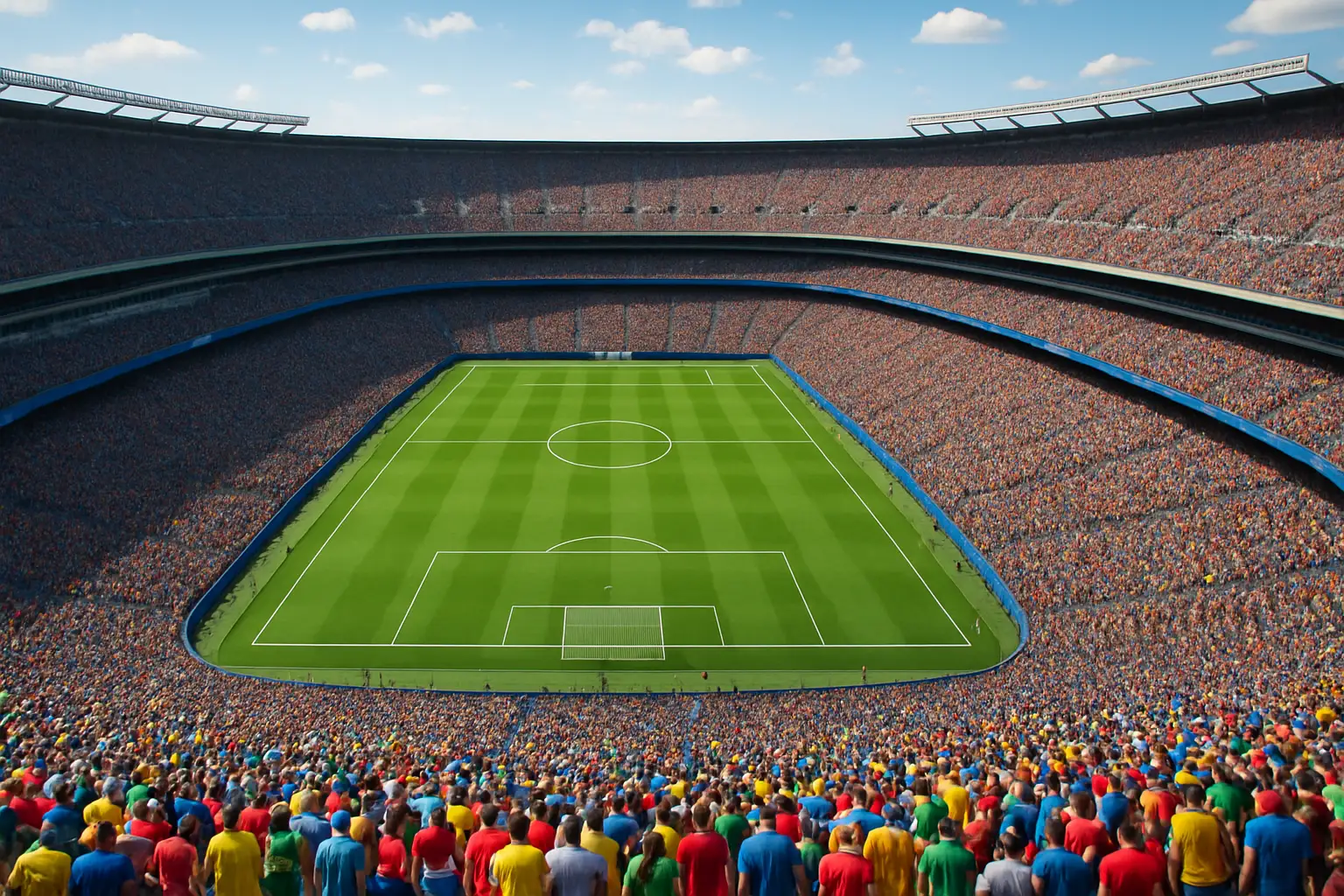
One of the more debated decisions heading into the tournament was the heavy reliance on NFL venues. Critics questioned whether the closed-roof, artificial-turf environments were right for football at this level. The results largely silenced that debate.
The stadiums delivered on logistics. Seating capacities regularly pushed past 70,000. Facilities for media, hospitality and accessibility were well above the standard seen at many previous World Cups. The NFL's decades of experience managing large-scale American sporting events translated directly into smoother operations for FIFA's organizing committees.
There were still concerns about turf surfaces and sightlines in some venues, but the overall infrastructure argument came down firmly on the side of the NFL model. The lesson: when a host nation has existing stadium assets of this quality, FIFA should lean into them rather than demanding bespoke construction.
Championship Rings and American Sports Culture
Perhaps the most culturally specific lesson in this portion of the countdown involves championship rings. The tradition of presenting oversized jeweled rings to championship winners is deeply embedded in American professional sports, from the NFL Super Bowl to the NBA Finals. At the 2026 World Cup, the collision of this tradition with global football culture became a noticeable theme.
Whether through marketing, merchandise or the general atmosphere around host cities, the ring culture seeped into how Americans engaged with the tournament. It reflected a broader point: the United States did not simply host a football event, it filtered the World Cup through its own sports identity. For FIFA, that created enormous commercial opportunities. For purists, it raised questions about how much local flavor is welcome before the tournament's own identity gets diluted.
The Sports Examiner frames this as a genuine lesson for future hosts. A country's sports culture will inevitably shape the experience, and FIFA needs to decide how much adaptation it is comfortable with.
What Numbers 5 Through 1 Might Reveal
With lessons 10 through 6 now catalogued, the remaining entries in The Sports Examiner's series are expected to address some of the larger structural and commercial questions raised by the tournament. Broadcast numbers, ticketing access, refereeing standards and the expanded 48-team format are all candidates for the top five.
The 2026 edition was always going to be scrutinized heavily. It was the first to use the expanded format, the first co-hosted by three nations, and the first staged primarily in the country where American football, not soccer, is king. The early lessons suggest the tournament performed better than many skeptics expected, even as it generated plenty of material for debate in the years ahead.


Football Correspondent
Alex covers football and the global game with fast, sharp analysis.