What Makes a Good Game of Football? The World Cup Finals Debate
The World Cup has produced two very different finals in recent memory. But what actually defines a great game of football? Stadium Rant explores the question.



The World Cup's Finals Put the Question in Focus
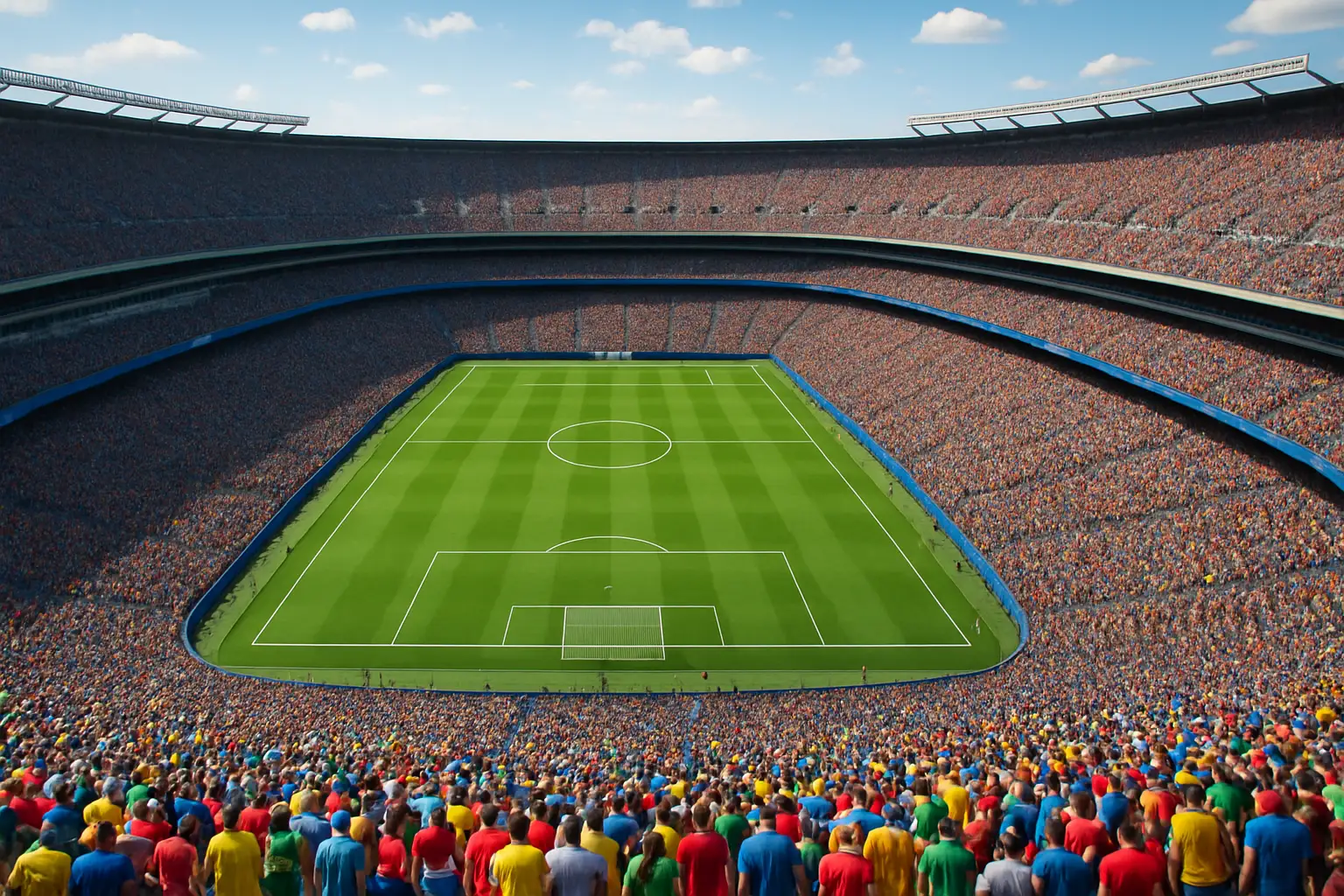
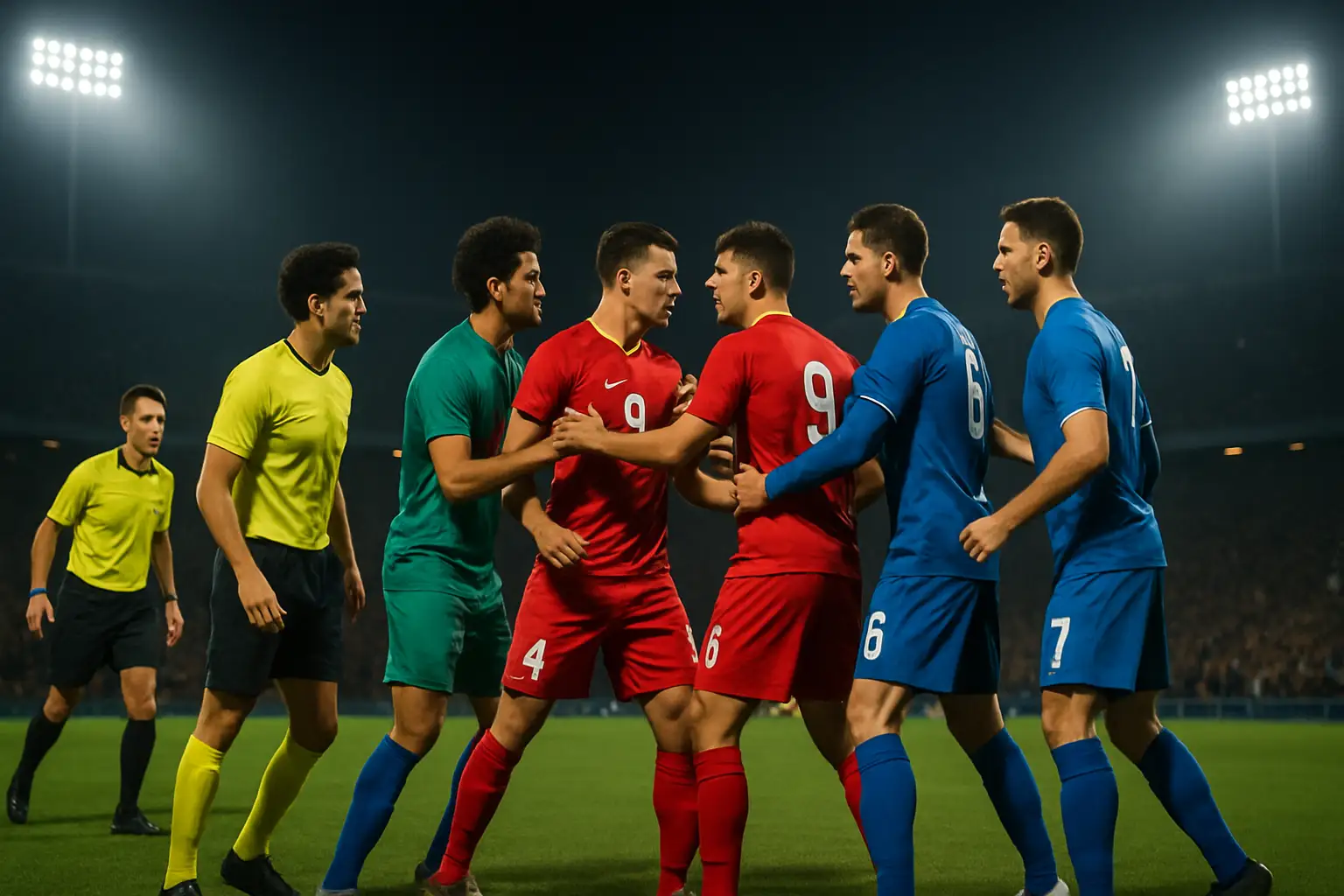
What makes a good game of football? It sounds simple, but the World Cup's recent finals have made the debate genuinely hard to settle. Stadium Rant tackled the question by looking at two contrasting finals, using them as a lens to examine what fans, pundits, and players actually value when they watch the game.
The World Cup final is the most-watched football match on the planet. When it delivers drama, the whole world talks about it for years. When it falls flat, the criticism is just as loud. The gap between those two outcomes is narrower than most people think, and it often comes down to factors that have nothing to do with the final score.
Drama vs. Quality: Two Very Different Standards
There is a long-running argument in football about whether a great game needs to be technically brilliant or simply unpredictable. A match full of mistakes can still produce genuine tension. A polished, controlled performance can leave a crowd cold if nothing feels at stake until the final whistle.
The World Cup has given fans examples of both. Some finals are remembered for their chaos, late goals, and penalty shootouts. Others are recalled for tactical precision and clinical finishing. Fans tend to disagree sharply on which category produces the better memory.
Goals matter, but they are not the whole story. A single goal in a tense, low-scoring match can carry more emotional weight than four goals in a game where the result feels settled by halftime. Context shapes everything. The stage, the teams involved, and the storylines going into the match all affect how a game is received.
What Fans Actually Want From a Football Match
Research and fan surveys consistently show that unpredictability is one of the most valued qualities in football. People want to feel that the result is genuinely uncertain. Competitive balance between the two sides tends to produce that feeling more reliably than any tactical system or individual quality gap.
Momentum swings also rank high. A game that shifts from one team to the other, where neither side feels completely safe, tends to be remembered more fondly than one that follows a straight line from kickoff to final whistle.
Individual brilliance plays a role too. A moment of skill or a stunning goal can lift an otherwise ordinary game into something people remember for a long time. But brilliance alone does not make a great match. Without the tension around it, a spectacular goal can feel almost decorative.
Defensive quality is often undervalued in these conversations. A well-organized defense that forces attacking players into difficult decisions can create as much drama as an open, end-to-end game. The difference is that defensive work is harder to see and harder to appreciate without a close watch.
Why the World Cup Final Sets Its Own Rules
The World Cup final operates under conditions that no other game can replicate. Both teams arrive having already played six or seven matches. Fatigue is real. Players who were sharp in the group stage may be running on adrenaline alone by the time the final comes around.
The stakes also change how teams approach the game. Managers who were aggressive in the knockout rounds often become more cautious in the final. The fear of losing can outweigh the ambition to win, and that calculation can produce matches that feel overly conservative for long stretches.
This is not necessarily a bad thing. Caution breeds tension in its own way. When both teams are reluctant to commit men forward, a single mistake or moment of individual quality can feel seismic. The silence before a set piece, the weight of a goalkeeper's decision, the hesitation of a defender, these details become enormous when the margin for error is so small.
Stadium Rant's exploration of the two World Cup finals points toward a conclusion that will frustrate anyone looking for a clean answer. A great game of football is not defined by one quality alone. It is a combination of uncertainty, effort, moments of skill, and the sense that something real is at stake. The World Cup final, whatever its tactical shape, almost always delivers on at least some of those fronts, which is why the debate about what makes a great game keeps running long after the trophy has been lifted.


Football Correspondent
Alex covers football and the global game with fast, sharp analysis.