UEFA Calls Emergency Meeting as FIFA Plan Faces Growing Resistance
UEFA has convened an emergency meeting as resistance to a FIFA proposal continues to build among European football's governing bodies and key stakeholders.
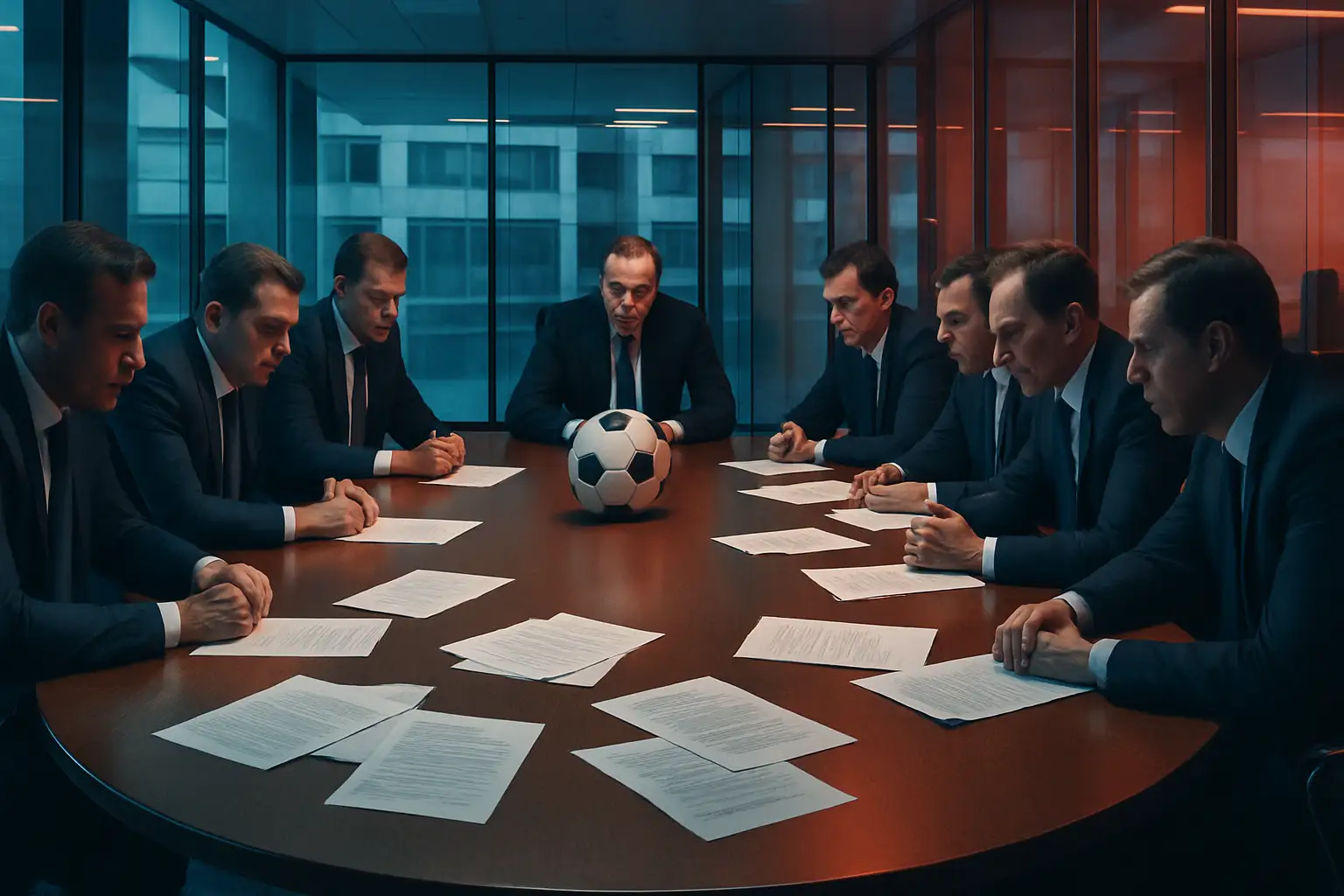


UEFA Acts Fast as FIFA Tensions Escalate
UEFA has called an emergency meeting in response to hardening opposition to a FIFA plan, according to reporting by The Guardian. The move signals how quickly tensions between European football's governing body and FIFA have intensified, with stakeholders across the continent pushing back against the proposal.
The decision to hold an emergency session reflects the urgency UEFA is placing on the matter. Rather than waiting for a scheduled meeting, officials moved to gather key figures sooner, underlining how seriously the opposition is being taken at the highest levels of European football administration.
The specific FIFA plan at the center of the dispute has drawn criticism from multiple quarters. While details of the proposal have not been fully disclosed in available reporting, the resistance appears broad enough to prompt UEFA to coordinate a formal response rather than allow opposition to remain fragmented.
What Is Driving the Opposition
Opposition to FIFA plans within European football is not new. UEFA and its member associations have historically clashed with FIFA over issues including tournament formats, fixture calendars, and the distribution of revenue. The expanded Club World Cup, which FIFA pushed through despite objections from European clubs and leagues, is one recent example of how those fault lines can widen.
The current dispute appears to follow a similar pattern. Clubs, leagues, and national associations within Europe have often argued that FIFA prioritizes its own commercial and institutional interests over the welfare of players and the sustainability of domestic competitions. When a new FIFA proposal lands in that environment, resistance can build quickly.
The fact that UEFA chose to call an emergency meeting rather than address the issue through normal channels suggests the organization views this as a situation that could move fast. Waiting too long risks allowing FIFA to advance its plan before a coordinated European response can be mounted.
The Broader Power Struggle in Football
This episode is part of a longer-running tension between FIFA, which governs football globally, and UEFA, which represents the interests of European football and its clubs. Europe generates the largest share of global football revenue, and UEFA has used that leverage in past disputes to push back against FIFA decisions it sees as damaging.
Player welfare organizations and club bodies have also grown more vocal in recent years. The pressure that led to legal challenges over the proposed European Super League illustrated how fractured football governance has become, with multiple parties claiming authority over the game's future direction.
An emergency meeting of UEFA stakeholders would typically involve national association presidents, club representatives, and senior UEFA officials. Any formal position agreed in such a meeting could be used to pressure FIFA ahead of a vote or a formal announcement on the contested plan.
What Happens Next
The outcome of UEFA's emergency meeting will likely shape the next phase of this dispute. If European stakeholders can agree on a unified stance, they present FIFA with a significant bloc of opposition that would be difficult to ignore. A divided response, on the other hand, would give FIFA more room to proceed.
FIFA's leadership under Gianni Infantino has shown a willingness to push through controversial changes even when European bodies object. The expanded 48-team World Cup and the revamped Club World Cup both moved forward despite vocal criticism. Whether this latest plan follows the same trajectory may depend on how effectively UEFA can consolidate opposition in the coming days.
Reporting by The Guardian indicates the opposition is already hardening, which suggests the emergency meeting is being called at a moment when UEFA believes it has enough concern among its members to take collective action. The football world will be watching closely to see what position emerges and how FIFA responds.


Football Correspondent
Alex covers football and the global game with fast, sharp analysis.