
Third-Placed Teams Race: Who Advances to the Knockouts?
Four of six third-placed group stage teams will progress to the round of 16. Here is what each side needs and how the battle for survival stands.
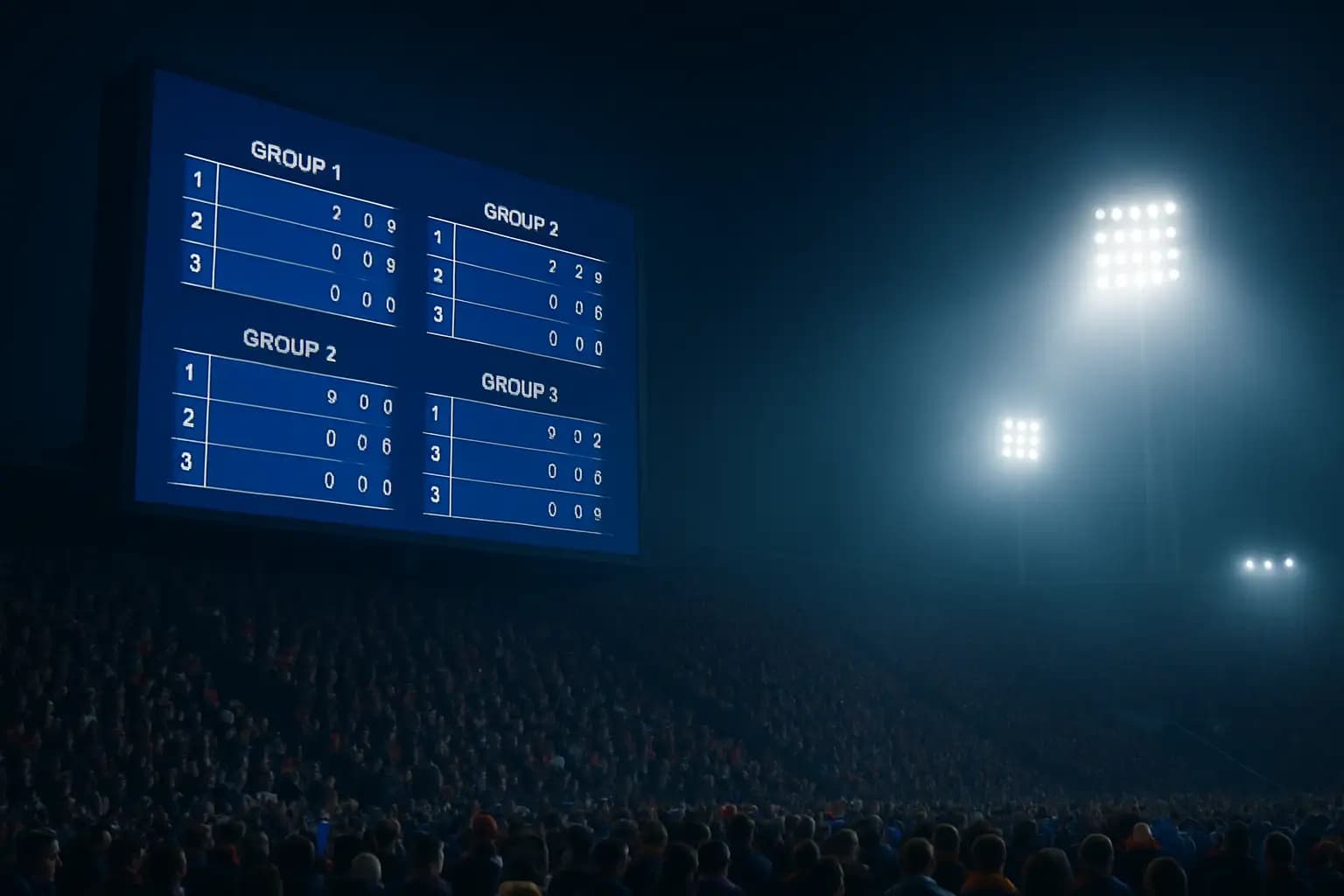
The Third-Place Puzzle Explained
The race to identify which third-placed teams reach the knockout rounds is one of the most tense subplots of any major group stage tournament. Four spots are reserved for the best third-place finishers across all groups, meaning two of those sides will be going home regardless of how hard they fought.
The format creates an unusual situation. A team can finish third in its group and still advance, while another team with an identical record gets eliminated purely because of goal difference or goals scored. Every goal in the closing matches carries extra weight for sides sitting in third place, since they are competing not just against the team in front of them in the same group, but against third-placed rivals in other groups entirely.
The Australian Broadcasting Corporation has been tracking the live standings, highlighting which third-placed sides currently hold the four qualifying positions and which are on the outside looking in.
How the Ranking System Works
When comparing third-placed teams from different groups, the standard tiebreakers apply in order: points, goal difference, goals scored, and then disciplinary record if needed. A team that loses its final group game narrowly can still go through if other third-placed sides also lose or draw.
This means teams must keep a close eye on other groups while managing their own results. A side that secures even a single point in its last match may find that enough, depending on how the rest of the group stage plays out. Coaches and analysts have to weigh up whether to prioritize winning by a large margin or simply avoiding defeat.
The four best records among the six third-placed teams advance. That structure rewards consistency and punishes heavy defeats, even if a team has already secured third place in its group well before the final matchday.
What Each Team Needs
For sides currently sitting third in their group, the math can get complicated quickly. A win almost always guarantees progression. A draw may be enough depending on other results. A defeat, however, typically ends any realistic hope unless every other third-placed team also loses badly.
Goal difference is the factor that tends to haunt teams. A side that suffered a heavy opening defeat may need to win its remaining matches by large margins just to match a rival that lost narrowly and then picked up wins. Goals scored as a secondary tiebreaker means that even in a comfortable win, running up the score can have real consequences for a team's tournament survival.
Disciplinary records, tracked through yellow and red cards, come into play only in the rarest of scenarios, but teams with multiple bookings should be cautious. A red card not only reduces a side to ten men during the match but could, in an extreme tiebreaker situation, cost a team its place in the next round.
Why This Stage Grips Fans
The third-place battle generates a specific kind of tension that straight knockout football does not. Fans are constantly checking other scoreboards mid-match, running their own mental arithmetic on goal differences and points tallies. A goal scored in one game can change the qualification picture in a completely separate fixture being played simultaneously.
Broadcasters and fans alike rely on live tables updated in real time to track the shifting standings, since the picture can change dramatically within minutes during the final round of group matches. That simultaneous scheduling is deliberate. Tournament organizers run the last two fixtures in each group at the same time to prevent teams from knowing exactly what they need before kicking off, reducing the risk of collusive or overly cautious play.
For neutral supporters, this stage of a tournament often delivers some of the most dramatic football. Teams that have already secured first or second place may rotate their squads, creating opportunities for sides desperate to climb the third-place table. A weakened opponent can be a lifeline for a team that needs goals.
The ABC's live coverage has kept supporters updated as results come in, giving fans a clear picture of who holds the crucial fourth qualifying slot and what scenarios could still change the outcome before the group stage closes.

Football Correspondent
Alex covers football and the global game with fast, sharp analysis.