Penalty Preparation More Critical Than Ever After Germany's Shootout Collapse
Germany's latest penalty shootout failure has reignited debate about how seriously teams must prepare for spot kicks at the highest level of the game.

Germany's Spot-Kick Record Back Under the Microscope
Penalty preparation has returned to the center of football debate after Germany suffered another high-profile collapse in a shootout, reinforcing a pattern that has haunted the nation despite its reputation as a footballing powerhouse. The failure prompted fresh scrutiny of how clubs and national teams approach what remains one of the most psychologically demanding moments in the sport.
For a country once considered the gold standard in penalty shootouts, the recent exit stings harder. Germany's record in decisive spot-kick situations has deteriorated in recent years, and the latest collapse raises uncomfortable questions about whether preparation methods have kept pace with the pressure modern players face on the biggest stages.
The Star reported on the incident, framing it as evidence that structured penalty preparation is no longer optional but essential for any team with genuine tournament ambitions.
What Goes Wrong in a Shootout
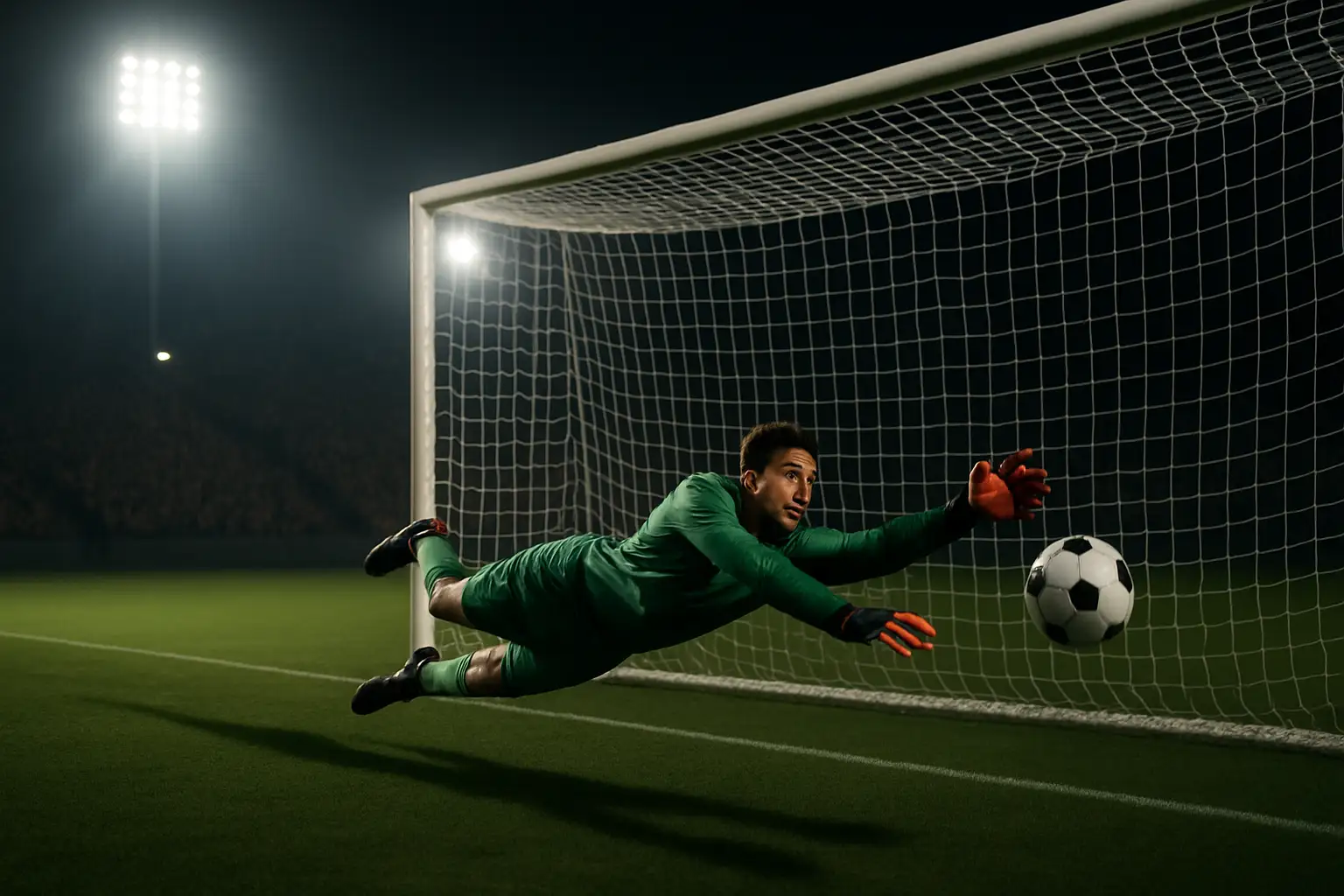
The mechanics of a penalty kick are straightforward. A player, twelve yards from goal, faces only the goalkeeper. Yet the failure rate among elite players in high-stakes shootouts consistently surprises fans and analysts alike. The reasons are rarely technical. More often, they come down to mental load, routine disruption, and the accumulated stress of a full match before a single ball is placed on the spot.
Experts in sports psychology have long argued that the physical act of taking a penalty is the smallest part of the challenge. Managing the walk from the center circle, blocking out crowd noise, sticking to a predetermined routine when adrenaline is distorting perception, these are the skills that separate successful takers from those who buckle.
Germany's latest shootout showed several of those pressure points colliding at once. Players who perform reliably in training and in regular match situations struggled to replicate that composure when the tournament was on the line.
Preparation Has to Be Specific and Sustained
The broader argument emerging from coverage of Germany's exit is that generic shooting practice is not enough. Teams that have fared well in shootouts in recent tournament cycles have tended to run scenario-specific sessions, simulating the fatigue, crowd noise, and sequencing of an actual shootout as closely as possible.
That means practicing penalties after a full training session rather than at the start, rotating the order of takers to mirror real conditions, and working with psychologists to build individual pre-kick routines that hold up under duress. Some programs also use video analysis to identify patterns in specific goalkeepers, giving takers a data-backed preference before they ever step up.
The gap between teams that do this work methodically and those that treat shootouts as an afterthought has become increasingly visible in knockout football. When margins are this fine, preparation is often the only variable a team can genuinely control.
Pressure on Coaches and Federations to Act
Germany's collapse puts pressure not just on players but on the federation and coaching staff to revisit how spot-kick readiness is built into tournament preparation. Critics have pointed out that reactive measures, pulling players aside for a few practice rounds days before a knockout match, are unlikely to override years of undertrained instinct when the moment arrives.
The conversation is relevant well beyond Germany. Any national team entering a major tournament faces the realistic possibility of a shootout, and the ones that treat that possibility as a serious planning priority tend to handle the moment better. England's improved record in recent shootouts, after years of public suffering on penalties, has been widely attributed to a deliberate shift in preparation culture under their current setup.
For Germany, the immediate task is examining what went wrong and why players who are technically capable failed at the critical moment. That examination, if it leads to structural changes in how the squad prepares for penalties, could be the most useful outcome of a painful defeat.

Football Correspondent
Alex covers football and the global game with fast, sharp analysis.