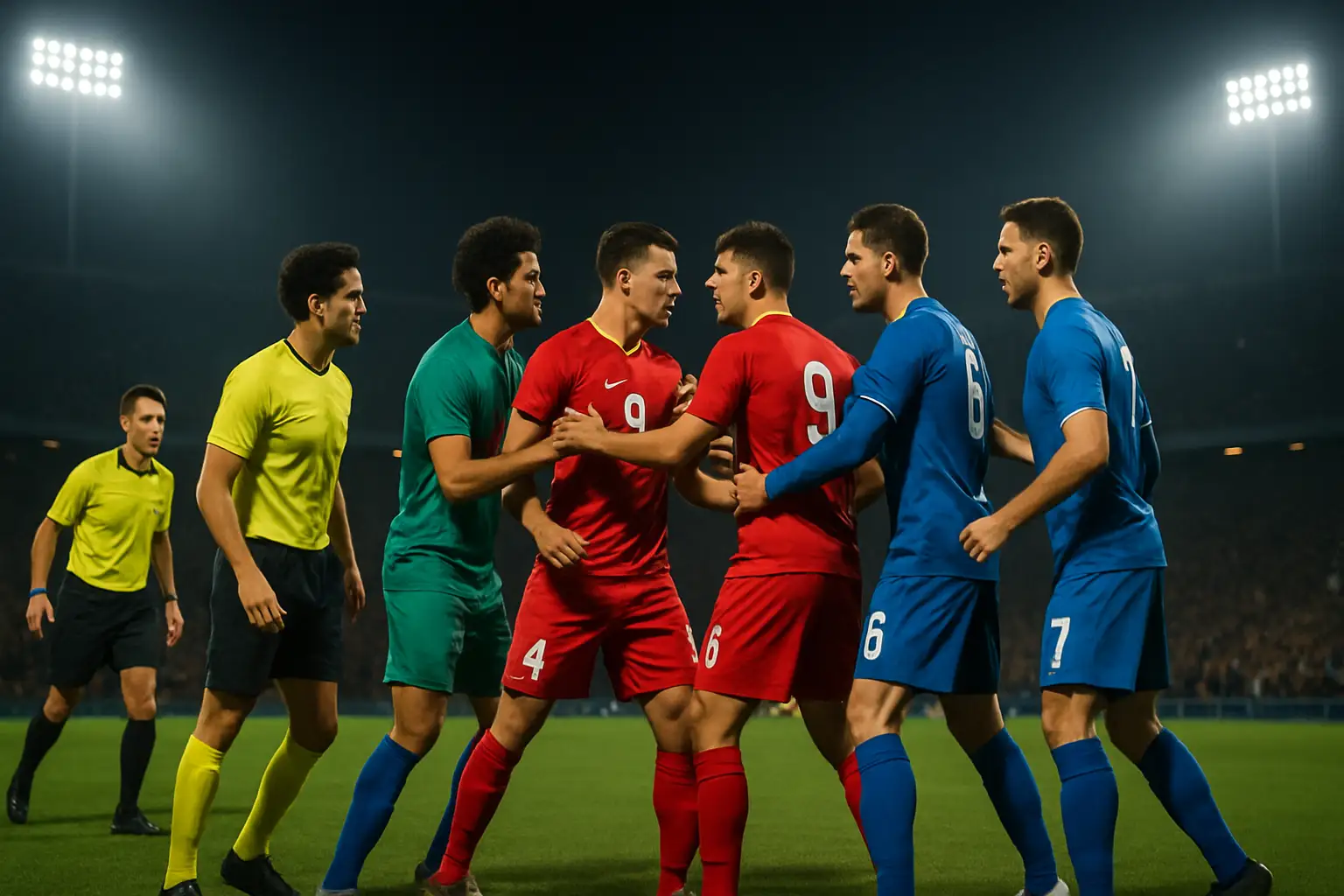
Royal First at the FIFA World Cup Final Makes History
A historic royal moment quietly took place at the FIFA World Cup Final, marking a first for the tournament in a development reported by Nine.com.au.
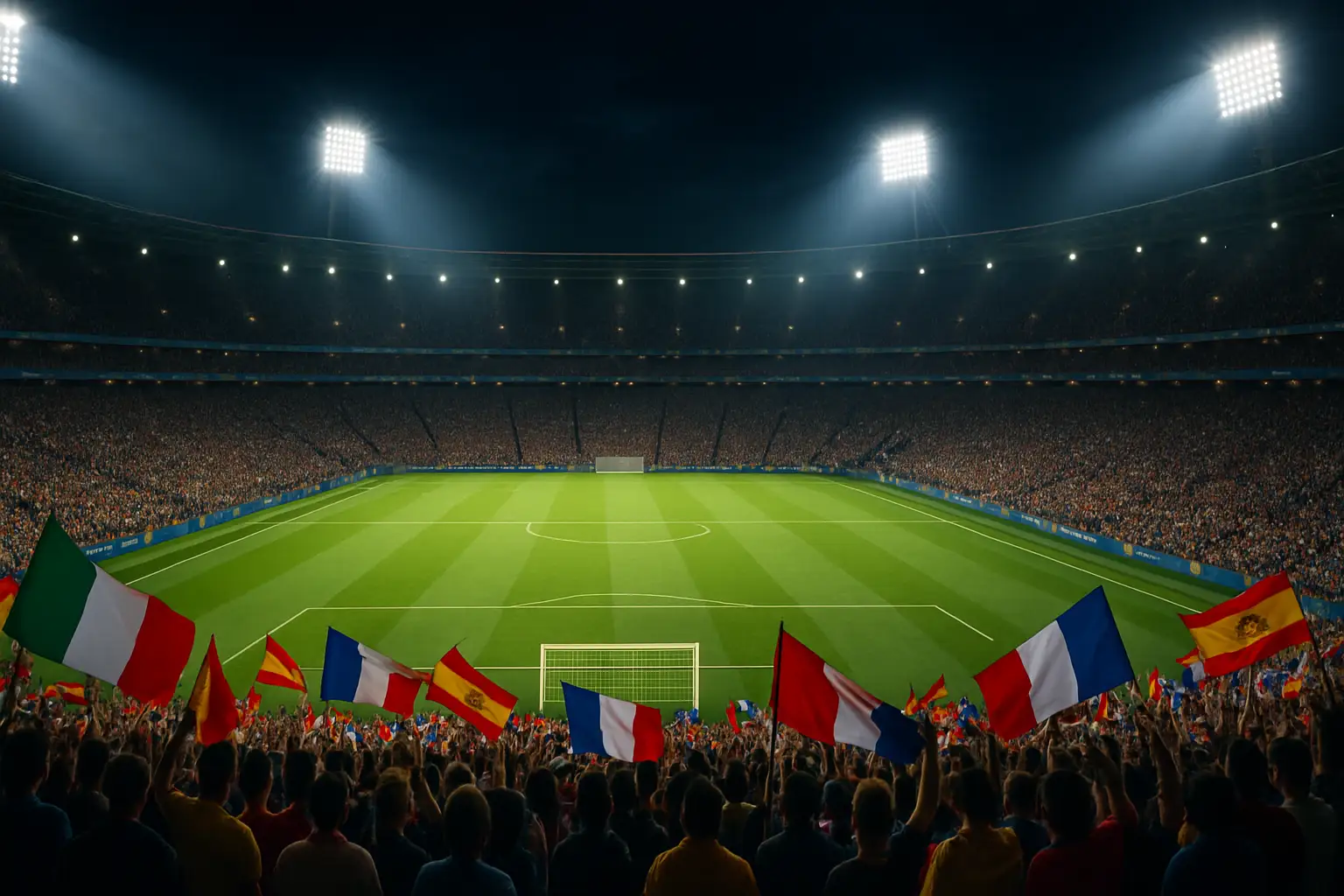


A Historic Moment at the World's Biggest Match
The FIFA World Cup Final has never been short of spectacle, but a royal first unfolded at the showpiece event, adding an unexpected layer of history to the occasion. According to reporting by Nine.com.au, a royal presence at the final represented something that had not happened before at the tournament in this particular form.
The World Cup Final is already the most-watched single sporting event on the planet. Hundreds of millions of viewers tune in globally, and the stadiums hosting the match attract heads of state, celebrities, and dignitaries from across the world. Against that backdrop, a royal milestone slipping by quietly is remarkable in itself.
Details reported by Nine.com.au indicate the moment was low-key rather than ceremonial, which may explain why it did not immediately dominate headlines. The occasion was nonetheless significant from a historical standpoint, given how long the FIFA World Cup has been running and how rarely genuine firsts occur at an event so thoroughly documented over the decades.
What We Know About the Royal Milestone
The original reporting from Nine.com.au describes the development as a "royal first," suggesting this was not simply a routine VIP appearance but something without clear precedent at a World Cup Final setting. The precise nature of the moment, as sourced from Nine.com.au's coverage, points to royalty being present or involved in a capacity that broke new ground for the competition.
FIFA World Cup Finals have a long history of attracting prominent guests. Political leaders, global entertainers, and sporting icons regularly fill the premium seats. Royal figures from various nations have attended editions of the tournament before, but the specific circumstances reported here appear to distinguish this occasion from those prior visits.
The understated nature of the event is also notable. Major royal engagements at sporting finals typically come with formal announcements, red-carpet coverage, and considerable media build-up. The fact that this moment unfolded quietly, as Nine.com.au described it, suggests it was either unplanned, deliberately low-profile, or simply not flagged in advance by palace or FIFA communications teams.
Why It Matters for Football and Royal History
The intersection of football and royalty is not entirely new territory. Members of royal families across Europe, the Middle East, and beyond have long been associated with the sport, whether as supporters, patrons, or owners of clubs. The English Football Association, for example, has had royal patronage for well over a century.
At the World Cup level, though, the standards for what constitutes a "first" are high. The tournament has been held since 1930, with the final edition taking place across dozens of countries over nearly a century of football. Each instalment is meticulously recorded, making genuine historical novelties harder to come by.
That context is what makes Nine.com.au's report worth paying attention to. When a tournament as old and as closely watched as the FIFA World Cup produces a genuine first, it reflects how much the event continues to evolve, not just on the pitch but in its cultural and diplomatic dimensions.
For football fans, moments like this serve as a reminder that the World Cup Final is more than a match. It sits at the crossroads of sport, politics, culture, and, apparently, royal history. The quiet nature of this particular milestone does not diminish it. If anything, it makes it more intriguing.
Credit for the original report goes to Nine.com.au, whose coverage brought this detail to wider attention.


Football Correspondent
Alex covers football and the global game with fast, sharp analysis.