Rexona Launches 'Intensity Radar' Ahead of FIFA World Cup 2026
Rexona has unveiled a new 'intensity radar' tool as part of its marketing push tied to the FIFA World Cup 2026, signalling a major brand activation around the tournament.
Rexona Ties New Campaign Tool to FIFA World Cup 2026
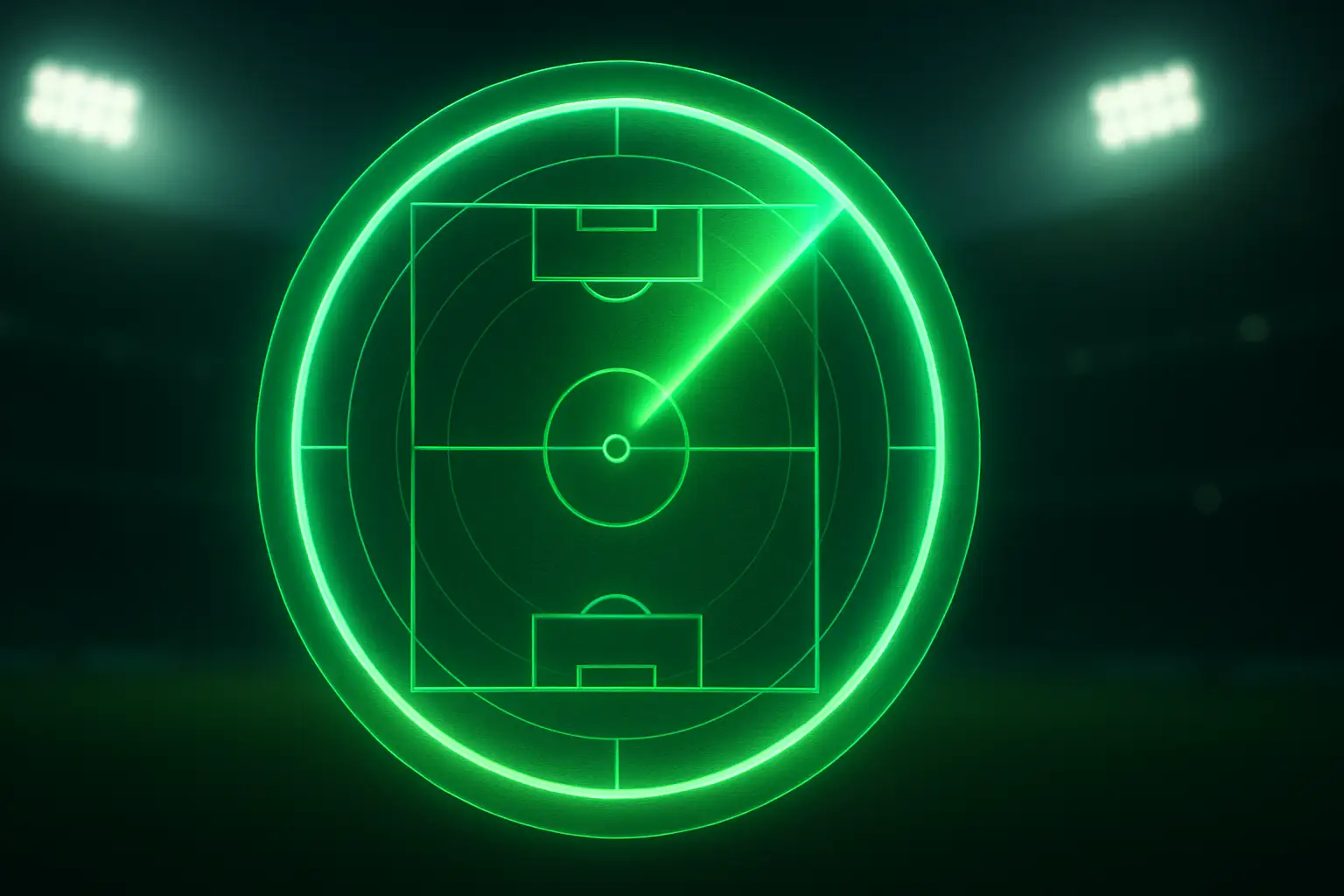
Rexona has introduced a new feature called the 'intensity radar' as the centrepiece of its FIFA World Cup 2026 marketing campaign, according to reporting by Mi-3.com.au. The move positions the deodorant brand, owned by Unilever, as an active sponsor looking to build audience engagement well ahead of the tournament.
The intensity radar appears designed to connect Rexona's core brand messaging around physical activity and sweat protection directly to the high-energy context of World Cup football. While specific technical details of how the tool works were not fully disclosed in the initial announcement, the campaign signals that Rexona is investing significantly in digital and interactive elements for its World Cup push.
The FIFA World Cup 2026 is scheduled to be hosted across the United States, Canada, and Mexico, marking the first time the tournament will span three countries. With an expanded 48-team format, the event is expected to draw record global viewership, making it a prime target for major brand activations.
What the Intensity Radar Means for Sports Marketing
Brand tools built around live sporting events have become increasingly common as companies look to move beyond static advertising. An interactive feature like an intensity radar gives Rexona a way to keep audiences engaged across the weeks of match play, rather than relying solely on broadcast spots.
For Unilever, aligning Rexona with World Cup 2026 is a logical fit. The brand has long positioned itself around sport and physical performance, and football's global reach gives it access to audiences across multiple continents simultaneously. The three-host-nation format of the 2026 tournament spreads the event across different time zones and markets, which could broaden the campaign's geographic impact.
Sports marketing experts have noted that the lead time before a major tournament is critical for brands. Launching campaign elements early, as Rexona is doing with this unveiling, helps build familiarity before competition for audience attention peaks closer to kick-off.
Campaign Details Still Emerging
The full scope of Rexona's World Cup 2026 activation has not yet been outlined publicly. The intensity radar announcement appears to be an early reveal, with further campaign elements likely to follow as the tournament approaches. Mi-3.com.au, which covers the Australian marketing industry, reported the unveiling as part of broader brand news.
Rexona is sold under different names in various markets. In some regions it is known as Sure, Degree, or Shield, depending on the country, though the underlying Unilever ownership remains consistent. How the campaign will be adapted across those different brand identities internationally remains to be seen.
The World Cup 2026 is set to open in the northern summer of 2026, giving brands roughly a year to build out their sponsorship and marketing programs. Rexona's early move with the intensity radar suggests the brand intends to run a long campaign cycle rather than concentrating all activity around the tournament itself.

Football Correspondent
Alex covers football and the global game with fast, sharp analysis.