How to Watch FIFA World Cup 2026 Live on TV and Online
The FIFA World Cup 2026 is drawing global audiences. Here is what viewers need to know about following the action live on TV and online this June.
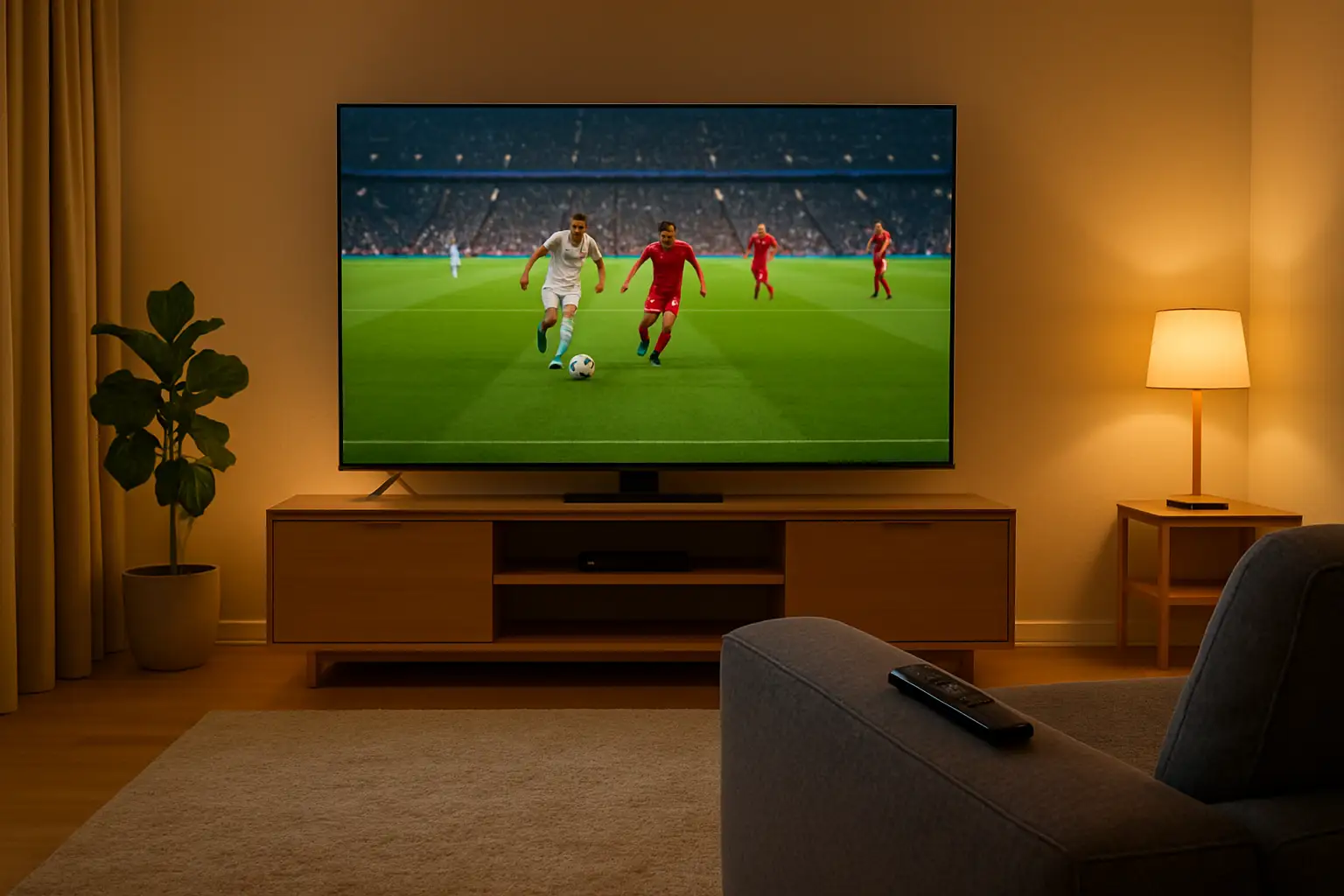
FIFA World Cup 2026 Live Streaming Options Are in High Demand
The FIFA World Cup 2026 is one of the most-watched sporting events in history, and with the tournament running through June, millions of fans are searching for reliable ways to catch every match live. Whether you are at home or on the move, knowing which broadcasters and platforms carry official coverage is essential before fixtures kick off.
This edition of the World Cup is expanded, featuring 48 national teams competing across host cities in the United States, Canada, and Mexico. That broader schedule means more matches per day, more scheduling overlaps, and more pressure on fans to find the right channel or streaming service for the games they care about most.
What to Know About June 22 Coverage
For viewers looking to follow the action on June 22, 2026, broadcast rights determine where you can legally watch matches live. Rights holders vary by country, so the platform available to you depends on your location.
In many markets, public and commercial broadcasters hold free-to-air rights for at least some World Cup matches. Viewers in those regions may be able to watch without a paid subscription, provided they have a television or a device that supports the broadcaster's free streaming app.
In markets where free-to-air rights are limited or unavailable, paid streaming services or cable and satellite packages are typically the route to live coverage. Checking with your country's official rights holder is the most reliable way to confirm what is available and whether any matches are accessible at no cost.
Tips for Watching Legally and Without Interruption
Fans should be cautious about unofficial streams circulating on social media and third-party sites. These feeds are frequently taken down mid-match due to rights enforcement, and some carry security risks for devices. Sticking to licensed broadcasters protects both the viewing experience and the device being used.
For mobile viewers, most official broadcasters now offer apps that stream live matches. Registering in advance, checking data allowances, and testing the app before a match starts can prevent last-minute frustration.
Those traveling internationally during the tournament should be aware that streaming access may be geo-restricted to the country where a subscription was purchased. A broadcaster's terms of service will clarify whether out-of-market viewing is permitted.
With kickoff schedules varying across time zones, setting calendar reminders and confirming local broadcast times early helps avoid missing the opening whistle. Official FIFA channels and national broadcasters are the best sources for up-to-date scheduling information as the tournament progresses.

Football Correspondent
Alex covers football and the global game with fast, sharp analysis.