How to Get Into Inclusive Football in Australia
Inclusive football in Australia is growing fast, offering pathways for people of all abilities to join the game. Here is what you need to know.
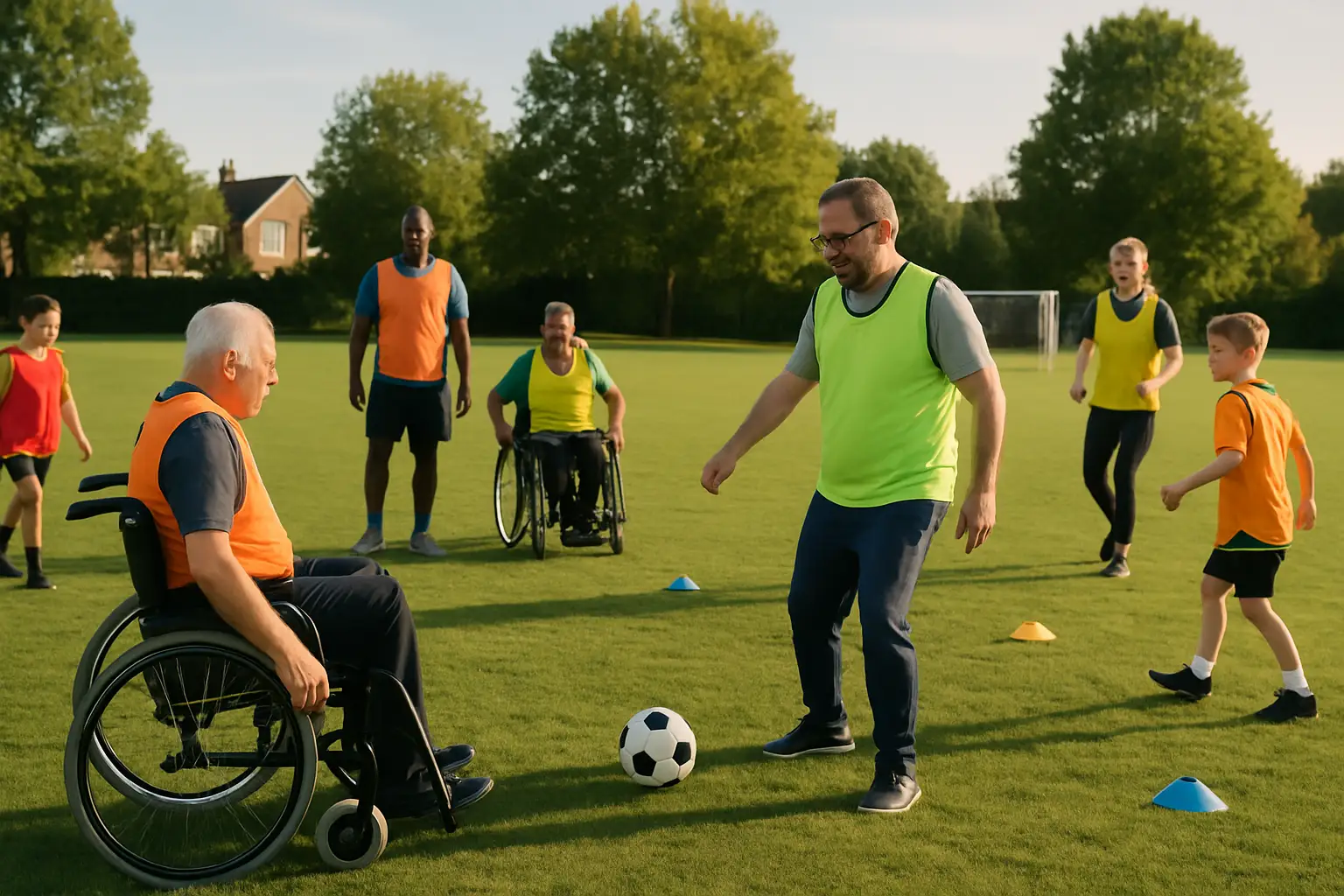
Inclusive football in Australia has expanded significantly in recent years, giving people with disabilities, diverse backgrounds, and varying skill levels a genuine pathway into the sport. Whether you are a player, a parent, or a supporter looking to get involved, a range of programs and formats exist across the country to make football accessible to almost everyone.
According to reporting by SBS Australia, the push for inclusive football has gained real momentum, with governing bodies and community clubs working to lower barriers to participation.
What Inclusive Football Actually Looks Like
Inclusive football is not a single format. It covers several modified and adapted versions of the game designed to suit different needs.
Wheelchair football and power chair football allow players with physical disabilities to compete in team settings using specially designed chairs. Walking football, played at a slower pace without running, has become popular among older Australians and those recovering from injury. Blind and partially sighted football uses an audible ball and smaller-sided teams.
There are also programs specifically designed for people with intellectual disabilities, autism spectrum disorder, and other conditions that may make traditional football environments difficult to access. These sessions typically focus on fun, social connection, and skill development rather than competition.
For children, the focus is often on modified formats with smaller pitches, lighter balls, and flexible rules that reduce pressure and encourage participation regardless of ability.
How to Find a Program Near You
Football Australia and the state and territory federations are the best starting points for anyone looking to find inclusive football opportunities. Their websites list registered clubs and programs, many of which run free trial sessions.
Community football clubs affiliated with Football Australia are required to meet inclusion standards, which means most will have at least some experience accommodating players with different needs. Contacting a local club directly is often the quickest route to finding out what is on offer.
Organisations like Special Olympics Australia also run football programs in multiple states, and these are open to athletes with intellectual disabilities. National Disability Insurance Scheme funding can sometimes be used to cover registration and equipment costs, which removes a significant financial barrier for eligible participants.
For walking football specifically, Football Australia has been working to grow the format through dedicated clubs and social competitions. Several major cities now have regular fixtures.
What to Expect When You Start
Most inclusive football programs are designed to welcome complete beginners. Coaches involved in these sessions typically hold additional accreditation in disability inclusion, and sessions are structured to be welcoming rather than intimidating.
Equipment is often provided at the introductory stage, so new participants do not need to invest in gear before they know whether the format suits them. Many clubs also run come-and-try days, which are low-pressure opportunities to experience the game before committing to a season.
For parents of children with disabilities, it is worth speaking directly with a club coordinator before the first session. Explaining a child's specific needs in advance allows coaches to prepare appropriately and makes the experience smoother for everyone.
Volunteering is another way to get involved without playing. Inclusive football programs often rely heavily on volunteers to assist coaches, manage logistics, and provide one-on-one support to players who need it.
Why Participation Is Growing
Australia's multicultural population has long had a close relationship with football, and community-level growth has been strong across most demographics. The inclusive formats have benefited from that broader wave of interest.
Funding from state governments and sporting bodies has helped clubs build more accessible facilities and train more coaches in inclusive practice. There is also growing recognition that sport has measurable benefits for mental health, social connection, and physical wellbeing, particularly for people who might otherwise be excluded from community activities.
The variety of formats available now means that age, physical condition, or disability no longer has to be a reason to stay on the sidelines. For anyone curious about getting involved, reaching out to Football Australia or a local club is the most direct first step.

Football Correspondent
Alex covers football and the global game with fast, sharp analysis.