FIFA's World Cup Sell-Off: Is the Organization Pushing Commercialization Too Far?
Questions are mounting over FIFA's aggressive commercialization of the World Cup, with critics asking whether football's governing body has crossed a line in its pursuit of revenue.



FIFA Under Fire Over World Cup Commercialization
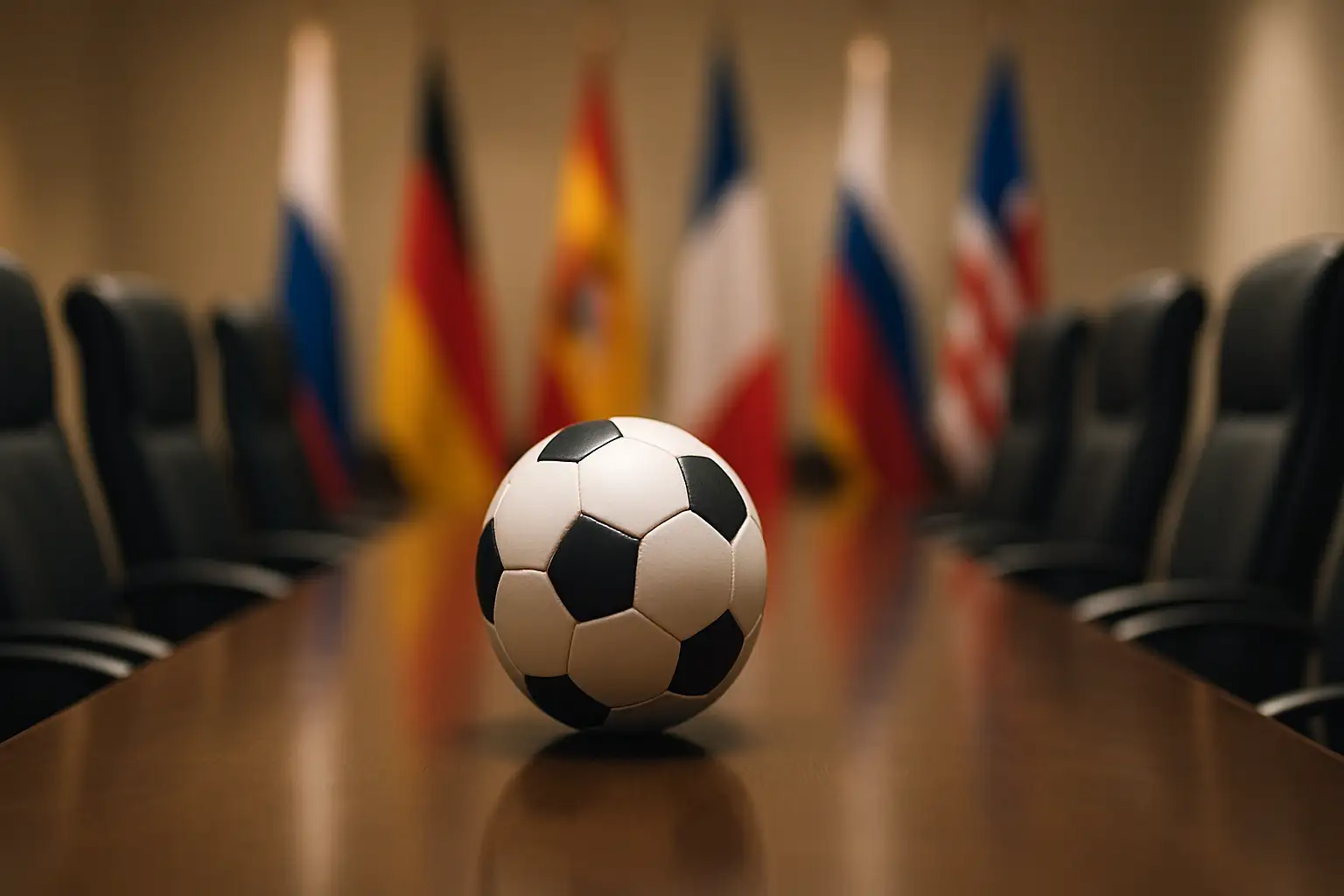
The debate around FIFA's World Cup sell-off is growing louder. Critics and football observers are increasingly questioning whether the sport's global governing body has prioritized commercial deals over the integrity and accessibility of the tournament, raising a pointed question: has FIFA finally gone too far?
The concern is not new, but it has sharpened in recent years as FIFA has expanded sponsorship portfolios, sold broadcasting rights to the highest bidders, and restructured the tournament itself, most notably the expansion to a 48-team format, in ways that many argue serve financial interests more than sporting ones.
Reporting from Tempo.co English highlighted the growing unease around what commentators are calling a systematic sell-off of one of sport's most valuable properties.
What the Criticism Actually Looks Like
At the core of the backlash is the perception that FIFA treats the World Cup less as a sporting event and more as a commercial vehicle. Sponsorship deals with major corporations, licensing arrangements, and the aggressive monetization of broadcast rights have all contributed to a tournament that, for many fans, feels increasingly distant and expensive to engage with.
Ticket pricing has been a particular flashpoint. In recent World Cup cycles, face-value ticket prices climbed steeply, pushing match attendance out of reach for many ordinary supporters, especially those from lower-income countries that have historically produced some of football's most passionate fans.
The 48-team World Cup expansion, set to debut at the 2026 tournament hosted across the United States, Canada, and Mexico, has also drawn criticism. Supporters of the change argue it brings the tournament to more nations. Opponents say it dilutes the competition and was driven primarily by the additional broadcast and sponsorship revenue that extra matches generate.
FIFA has not been shy about its financial ambitions. The organization has projected record revenues for the 2026 cycle, building on the approximately $7.5 billion generated during the 2019-2022 cycle.
Fan Access and the Broader Football Community
The sell-off debate connects to a wider tension in modern football between commercial growth and fan access. When broadcast rights are sold exclusively to pay-TV platforms, casual viewers and lower-income households lose easy access to the game. When sponsorship requirements shape stadium experiences, the atmosphere that makes the World Cup special can feel manufactured rather than organic.
There is also the matter of host nation selection. FIFA's bidding process has faced scrutiny for years, with allegations that commercial and political considerations outweigh sporting merit or human rights records. The awarding of the 2022 World Cup to Qatar remains the most prominent example, drawing sustained criticism over labor conditions and the environmental cost of hosting a major summer tournament in a desert climate during winter months.
For many in the football community, each of these decisions reflects the same underlying pattern: FIFA optimizing for revenue and geopolitical leverage rather than for the game itself.
Where Does This Leave the World Cup?
Despite the criticism, the World Cup remains the most-watched sporting event on the planet. Billions tuned in for the 2022 edition in Qatar, and early projections suggest 2026 will draw even larger audiences given the North American market's growing appetite for football.
That commercial power is precisely what makes FIFA's choices so consequential. The organization controls something genuinely irreplaceable, and how it manages that asset shapes football globally, from grassroots development funding to the health of smaller national federations that depend on FIFA distributions to survive.
Critics are not necessarily arguing that FIFA should abandon commercial partnerships. Sponsorship and broadcast revenue fund the sport at levels that would otherwise be impossible. The argument is about proportion and principle: at what point does monetization begin to undermine the thing being sold?
That question does not have a clean answer, but it is one that FIFA's leadership will need to engage with seriously as the 2026 World Cup approaches and scrutiny of the organization's decisions only intensifies.


Football Correspondent
Alex covers football and the global game with fast, sharp analysis.