FIFA World Cup 2026: How the Tournament Plans to Unite Nations
The FIFA World Cup 2026 is shaping up to be more than a football tournament, with observers highlighting its potential as a global gathering point for cultures and communities.


The World Cup as a Cultural Crossroads
The FIFA World Cup 2026 is already drawing attention well beyond the football pitch. As the tournament prepares to span three host countries, the United States, Canada, and Mexico, commentators and publications are increasingly framing the event as a rare convergence point for nations, faiths, and peoples from across the globe.
The Review of Religions, a publication with a long focus on interfaith dialogue and global affairs, has weighed in on what the 2026 edition could mean beyond sport. Their analysis positions the tournament as a meeting place of nations in a literal and symbolic sense, one where the shared language of football temporarily dissolves borders and brings diverse communities into contact.
The 2026 edition will be the first World Cup to feature 48 teams, expanded from the previous 32-team format. That change alone means more countries than ever will send players, supporters, and delegations to North America, amplifying the tournament's reach across continents.
Why 2026 Carries Extra Significance
Hosting duties split across three nations makes the FIFA World Cup 2026 logistically unprecedented. Matches will be played in 16 cities spread from Vancouver to Guadalajara to New York. For fans, the tournament will require crossing international borders just to follow their national teams through the bracket.
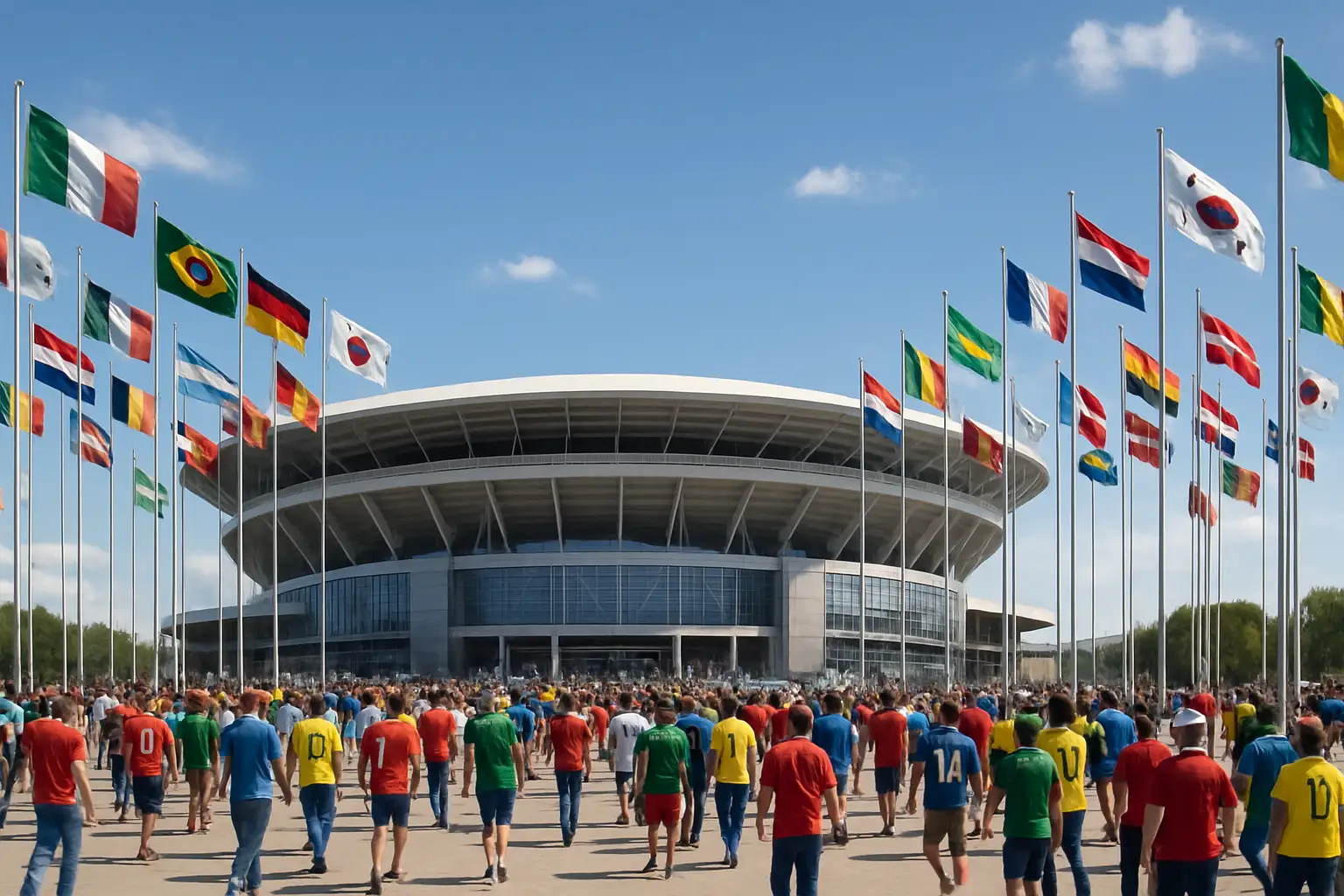
That reality gives the event an unusual character. Supporters from Africa, Asia, Europe, and the Americas will share stadiums, transit systems, and city streets in a way that few global events can replicate. For publications like the Review of Religions, that physical mingling carries meaning beyond what happens on the scoreboard.
The expanded format also gives smaller footballing nations a path to qualification that did not exist before. Countries that have never appeared at a World Cup now have a realistic chance of reaching the tournament, adding fresh national stories and supporter communities to the mix.
Football as a Shared Language
The broader argument emerging from coverage like the Review of Religions piece is that football, more than almost any other sport, functions as a genuine global common ground. The World Cup concentrates that quality into a single month-long event every four years.
In 2026, the scale of that concentration will be larger than at any previous tournament. FIFA's decision to expand the field and spread hosting across three countries was partly commercial, but the side effect is a tournament with a wider geographic and cultural footprint than its predecessors.
For fans traveling to matches, the experience of sitting alongside supporters from a dozen different countries, hearing different languages, and watching teams from every inhabited continent compete is difficult to replicate anywhere else. That social dimension is what gives the World Cup its reputation as something more than sport.
The Review of Religions framing reflects a perspective that sporting events, at their best, create temporary spaces where national and cultural differences become a source of celebration rather than tension. Whether the 2026 tournament lives up to that billing will depend on factors well outside FIFA's control, including politics, logistics, and the outcomes on the pitch.
What is clear is that the appetite for framing the FIFA World Cup 2026 in terms of human connection and cross-cultural encounter is already present, months before a ball is kicked.


Football Correspondent
Alex covers football and the global game with fast, sharp analysis.