Student vs. Teacher: How Scaloni and De la Fuente Reached the World Cup Final
Luis de la Fuente and Lionel Scaloni share a coaching bond that now puts them on opposite sides of a World Cup final. Here is their story.


The Mentor and the Pupil on the Biggest Stage
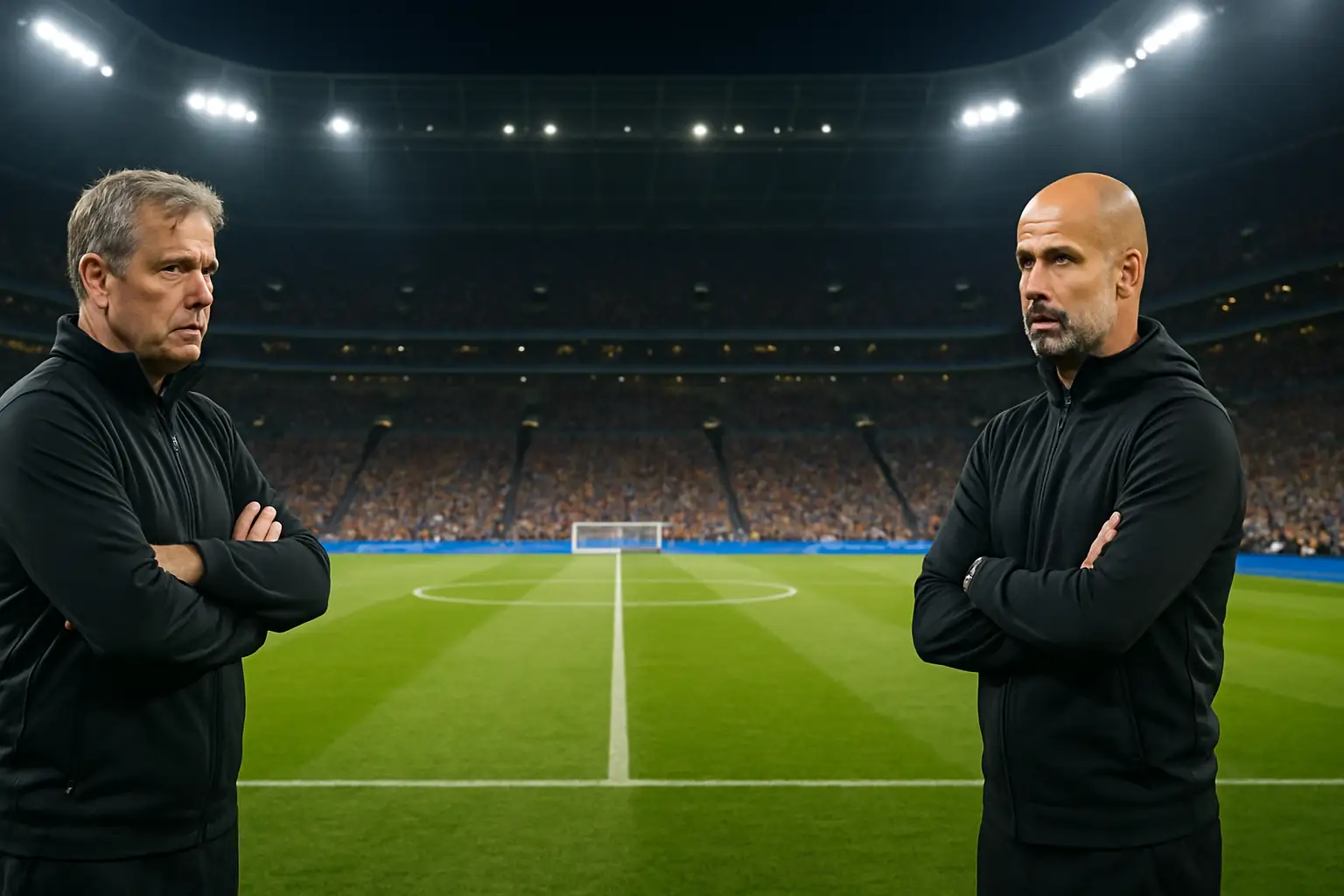
The 2026 World Cup final carries a storyline that goes well beyond tactics and trophies. Spain head coach Luis de la Fuente and Argentina manager Lionel Scaloni are set to face each other in the sport's most watched match, and the two men share a history that makes the occasion genuinely unusual. De la Fuente worked with Scaloni in the Spain youth setup, giving the Argentine a coaching education before Scaloni eventually took charge of his national team and led it to World Cup glory in Qatar in 2022.
The connection, first highlighted by beIN SPORTS, frames the final as something rare in football: a direct student-versus-teacher confrontation at the very top of the international game.
How Their Paths Crossed
Scaloni spent time working under De la Fuente in Spanish youth football, absorbing an approach to the game that De la Fuente had refined over years of coaching at junior levels. De la Fuente built a reputation for patient, structured development work rather than chasing short-term results, and that philosophy left a mark on how Scaloni later shaped Argentina's playing identity.
The two men moved in different directions after that period. De la Fuente continued climbing the ladder within the Spanish Football Federation, eventually stepping into the senior role and guiding Spain to the UEFA Nations League and then to the 2026 World Cup final. Scaloni, meanwhile, took a chance appointment as Argentina head coach in 2018 and surprised virtually everyone by turning the job into one of the most successful tenures in the country's history, delivering the Copa America in 2021 and the World Cup title in Qatar.
Now, after years on separate continents building separate legacies, they meet in the final.
What It Means for Both Teams
For Spain, reaching the final continues a stretch of consistent excellence under De la Fuente. The squad blends experienced internationals with young players developed partly through the same youth system De la Fuente helped shape for years. His coaching style prioritizes ball retention and positional discipline, hallmarks that have been visible throughout the tournament.
Argentina under Scaloni play a more flexible, player-driven game, built largely around the qualities of the players available. Since winning in Qatar, the squad has been evolving, with some of the figures central to that triumph now older and others coming through. Scaloni has managed the transition carefully, keeping results steady while gradually refreshing the group.
Both coaches have spoken publicly about the importance of collective identity over individual brilliance, another thread that likely connects their thinking back to the years they spent working in the same environment.
A Final With a Human Story at Its Center
World Cup finals are rarely short of narrative hooks, but the De la Fuente and Scaloni connection adds a layer that is specific, documented, and genuinely personal rather than manufactured for broadcast. One man taught, one man learned, and both have since built records that justify their place on the biggest stage in the sport.
For neutral observers, that shared history gives the tactical battle an extra dimension. Every decision De la Fuente makes on the touchline will be read partly through the lens of what Scaloni already knows about how he thinks. And every adjustment Scaloni makes will carry the implicit question of how much the student has moved beyond what the teacher first showed him.
The answer arrives when the whistle blows.


Football Correspondent
Alex covers football and the global game with fast, sharp analysis.