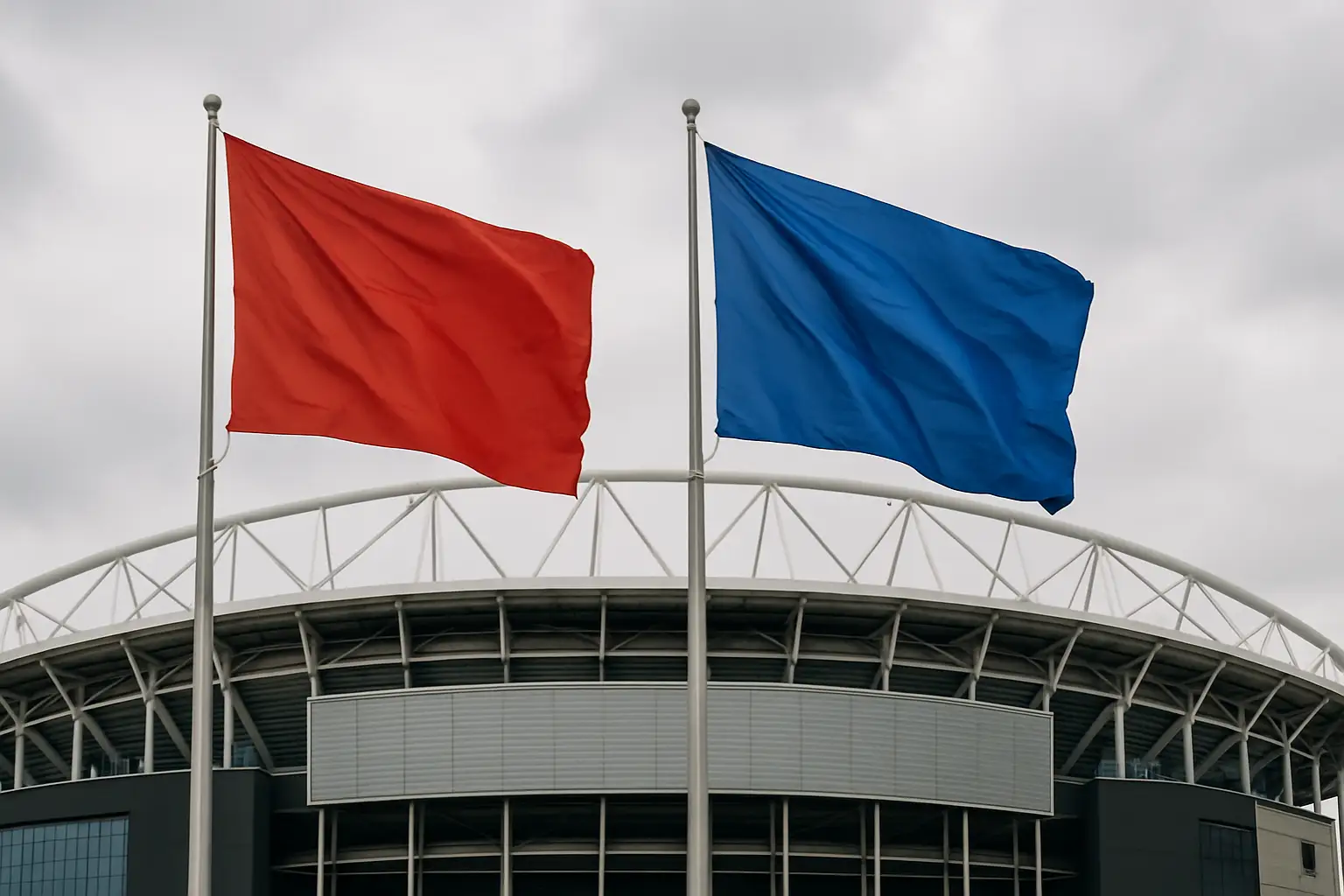
CONCACAF Opposes FIFA Plan to Bring Private Capital Into World Cup
CONCACAF has added its voice to growing global resistance against a FIFA proposal that would open the World Cup to private investment, raising governance concerns.
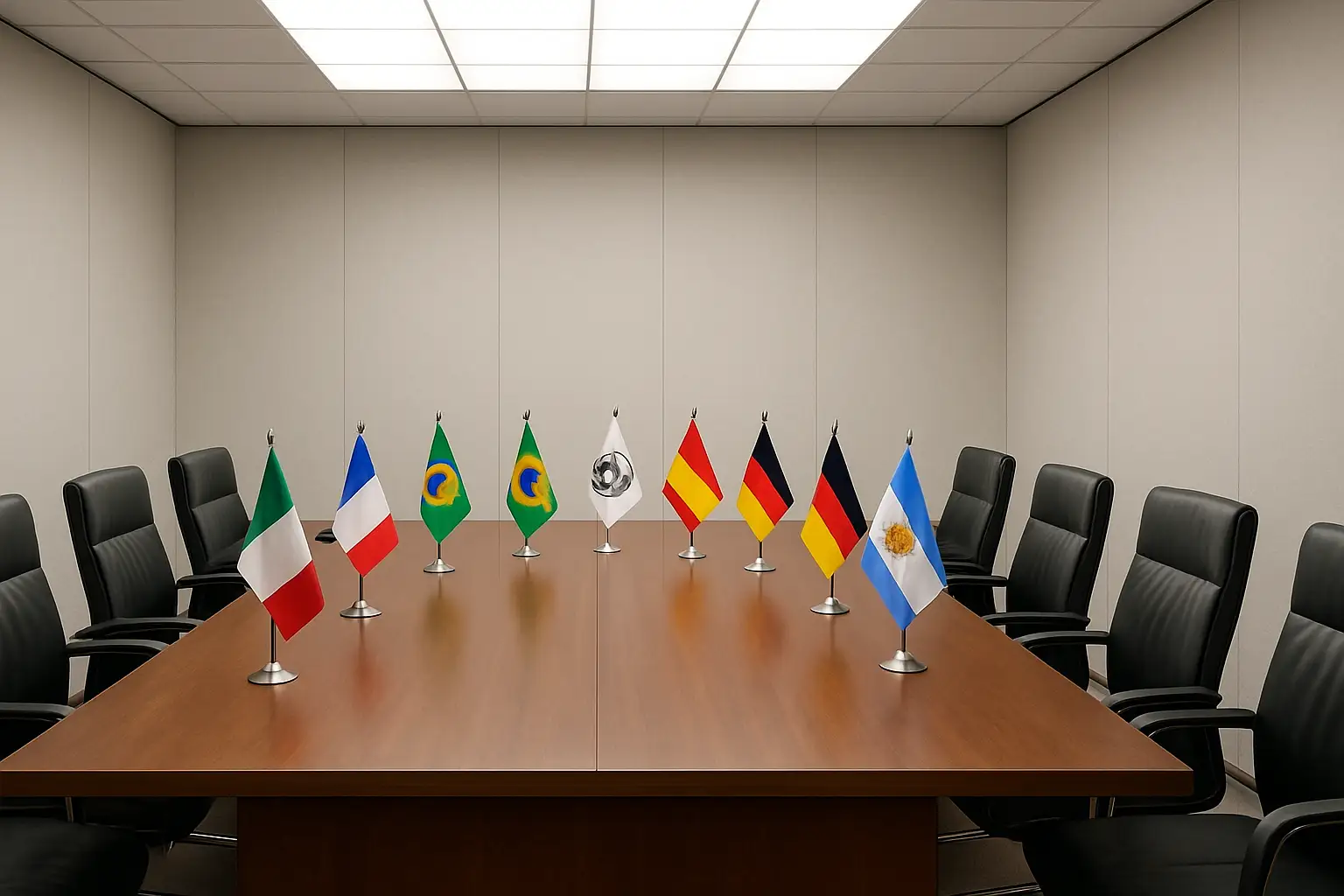


CONCACAF Takes a Stand Against FIFA's Private Capital Push
CONCACAF has become the latest football confederation to push back against a FIFA proposal that would allow private capital into the World Cup, joining a widening coalition of opposition across global football governance. The plan, which FIFA has floated as a way to grow the tournament's commercial reach, has drawn sharp criticism from confederations worried about who ultimately controls the sport's flagship event.
The confederation, which oversees football across North America, Central America, and the Caribbean, made clear it does not support opening the World Cup's financial structure to outside investors. According to reporting from Türkiye Today, CONCACAF aligned itself with other regional bodies that have already voiced skepticism or outright opposition to the idea.
What FIFA's Plan Actually Involves
FIFA's proposal centers on bringing in private investment to help fund and potentially expand the World Cup. Supporters of the idea argue it could generate more revenue for member associations and help grow the game in emerging markets. Critics, however, see it differently.
Opponents argue that allowing private investors a stake in the World Cup risks handing commercial interests a degree of influence over decisions that should remain with football's governing bodies. Once outside capital enters, the logic goes, profit motives can start to compete with sporting integrity and development priorities.
This is not the first time FIFA has explored unconventional financing models. The organization has long sought ways to boost revenue streams beyond broadcast rights and sponsorship deals, particularly as it expands competitions like the Club World Cup.
Why the Opposition Is Growing
CONCACAF's stance reflects a broader pattern. Several confederations have now expressed reservations, suggesting FIFA may face significant internal resistance before any such plan could move forward. Confederation leaders have built their influence partly on the principle that major decisions about competitions like the World Cup remain under the collective control of member associations, not external financial players.
The concern is structural. Private investors typically seek returns, and any arrangement that ties World Cup revenues to outside stakeholders could reshape how surplus funds are distributed back to national associations. Many smaller football federations rely on FIFA distributions as a primary funding source for grassroots development, coaching programs, and infrastructure.
For CONCACAF members, a number of which represent smaller football markets, any shift in how World Cup revenues flow could have real consequences on the ground. That practical dimension likely shapes the confederation's position as much as any philosophical argument about governance.
What Happens Next
FIFA has not confirmed a final plan, and the proposal appears to still be in discussion stages. The mounting confederation pushback means FIFA president Gianni Infantino and his executive team will need to either significantly revise the idea or build a much stronger case before it can gain traction at the decision-making level.
With the 2026 World Cup, co-hosted by the United States, Canada, and Mexico, already confirmed and in preparation, the immediate commercial future of the tournament is not in question. The debate is really about what the event looks like beyond 2026, and who gets a say in shaping it.
CONCACAF joining the opposition bloc makes it harder for FIFA to present any private capital arrangement as broadly supported. Football's confederations do not always agree, but on questions of who controls the game's most valuable asset, the resistance tends to be consistent.


Football Correspondent
Alex covers football and the global game with fast, sharp analysis.