World Cup Boycott Threat Grows as FIFA-UEFA Civil War Erupts
Explosive claims of a potential World Cup boycott have surfaced as the rift between FIFA and UEFA deepens into what some are calling an all-out civil war in football governance.



The Boycott Threat Takes Shape
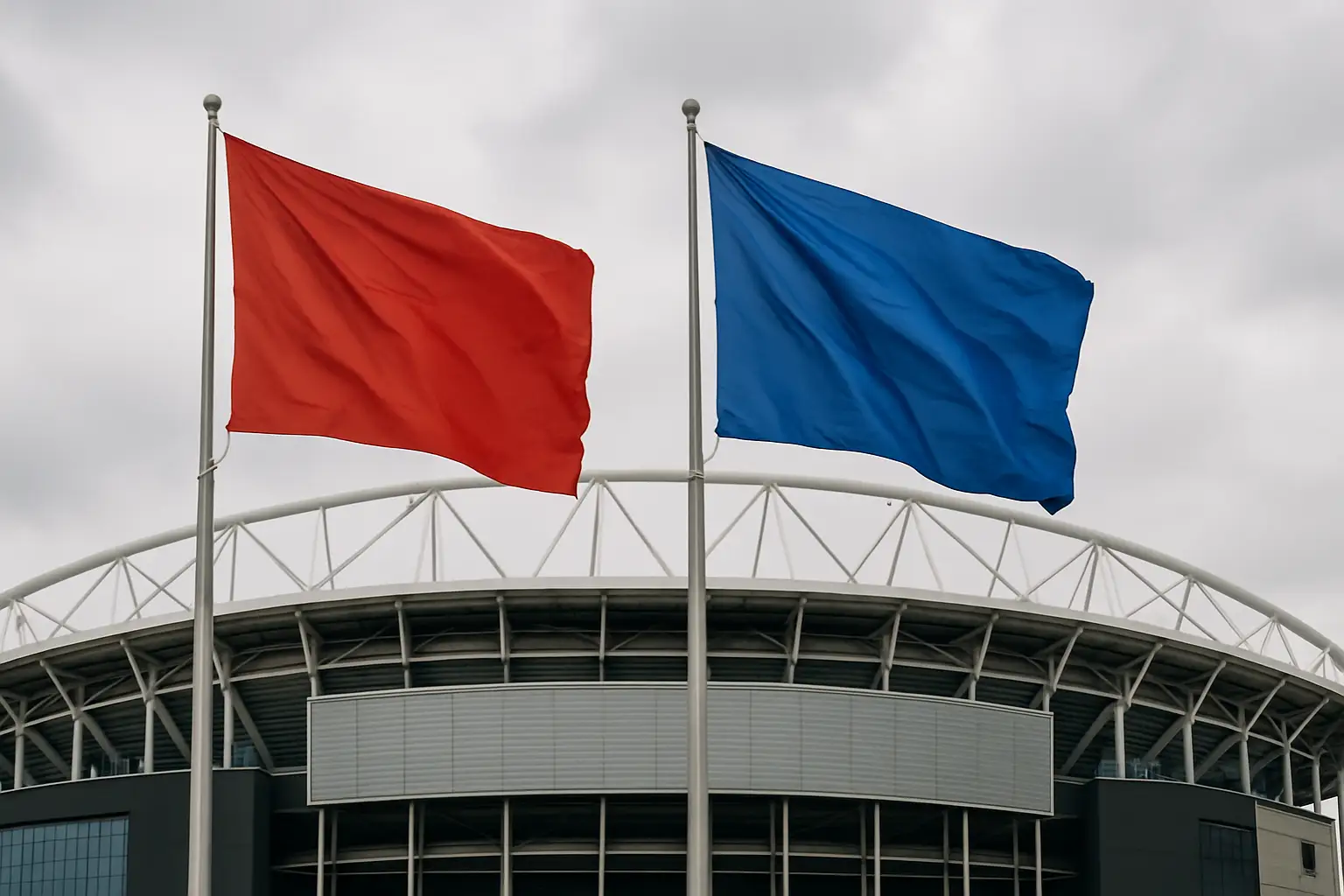
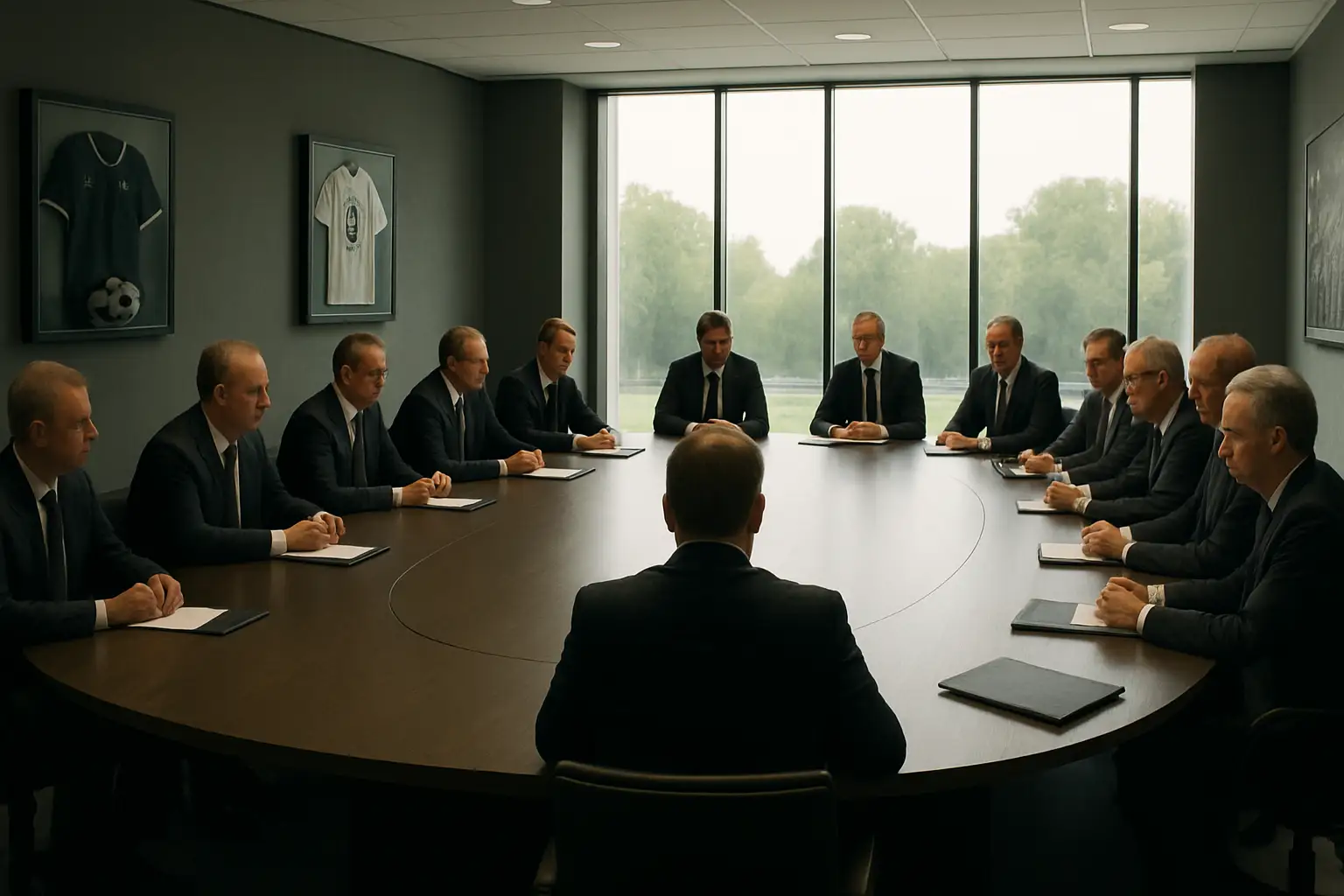
A World Cup boycott is now being openly discussed as the conflict between FIFA and UEFA escalates into one of the most serious governance crises in modern football. Reports from SEN have put the claims front and center, describing the situation as an explosive standoff between the two most powerful bodies in the global game.
The tension between FIFA, the sport's worldwide governing body, and UEFA, which oversees European football, is not new. But the latest round of disputes appears to have pushed relations to a breaking point, with boycott talk no longer confined to backroom whispers. It is now, according to SEN's reporting, very much on the table.
At stake is not just institutional pride. A genuine World Cup boycott by European nations would fundamentally reshape one of sport's biggest events, stripping it of some of its most marketable teams, broadcasters, and sponsors.
What Is Driving the FIFA-UEFA Rift
The friction between FIFA and UEFA has been building over several key pressure points, including disputes over the football calendar, the controversial expansion of FIFA's Club World Cup, and broader questions about who holds real authority over the direction of the global game.
UEFA and its president have been among the loudest critics of FIFA's push to restructure the international football schedule in ways that European clubs and leagues argue place an unsustainable burden on players. The expanded Club World Cup, which FIFA pushed through despite resistance from European stakeholders, became a flashpoint that has never fully cooled.
European clubs and national associations have repeatedly argued that FIFA makes decisions affecting their competitions and players without meaningful consultation. That frustration has now reportedly reached a level where a coordinated boycott of the World Cup is being floated as a genuine form of protest and leverage.
How Serious Is the Boycott Talk
The word "boycott" carries enormous weight in football politics. Historically, threats of this kind have been used as negotiating tools rather than actions that are actually followed through. But the SEN report frames the current situation as something more combustible than past disputes.
If European federations were to withdraw from a future World Cup, the commercial and competitive consequences would be severe. Europe produces a disproportionate share of World Cup viewing figures, sponsorship revenue, and the sport's global stars. No broadcaster or sponsor would view such a scenario calmly.
FIFA, for its part, has continued to press ahead with its broader vision for expanding football's global footprint, including the 48-team World Cup format and new competitions. Critics argue this is about maximizing revenue and consolidating FIFA's power rather than improving the game.
What Happens Next
The coming months will be critical. Dialogue between FIFA and UEFA will need to resume seriously if a full rupture is to be avoided. Both organizations have too much to lose from a prolonged public war, let alone an actual boycott.
But the fact that boycott language is now circulating in credible football media reflects how badly trust has broken down. European football's key decision-makers feel sidelined, and they are no longer staying quiet about it.
For fans, the prospect of a World Cup without Europe's biggest nations is almost unthinkable. It would alter the tournament beyond recognition. That reality gives European federations significant leverage, even if actually pulling out remains a last resort.
The situation is fluid and politically charged. What is clear is that the FIFA-UEFA relationship has entered genuinely dangerous territory, and football's governing structure faces one of its sharpest tests in years.


Football Correspondent
Alex covers football and the global game with fast, sharp analysis.