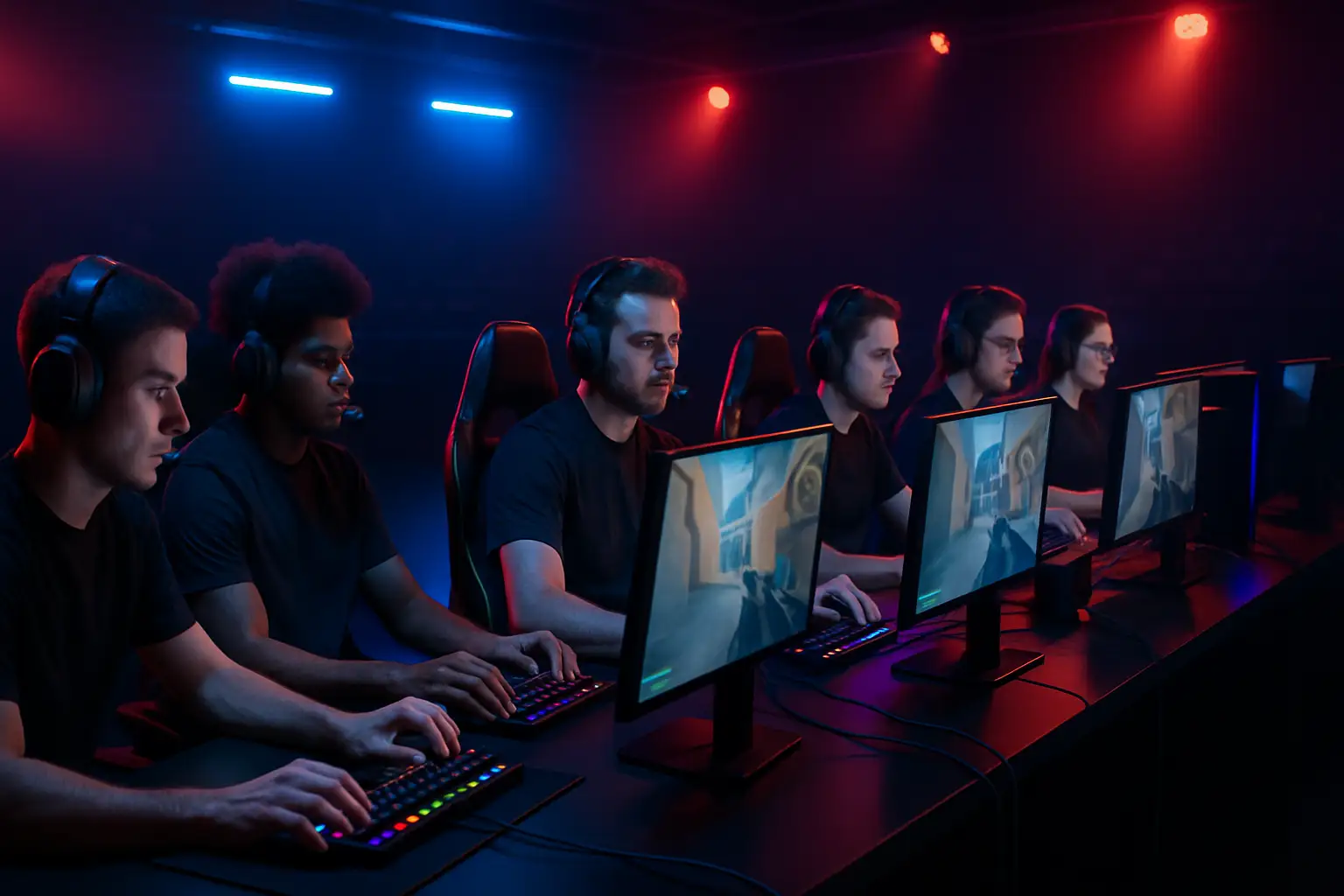
Young Australians Support Esports in the Olympics as Older Generations Push Back
A new Logitech G study reveals a sharp generational divide in Australia over esports at the Olympics, with younger Australians strongly in favour and older groups far less convinced.



Generational Split Over Esports at the Olympics
A new study commissioned by Logitech G has laid bare a clear generational divide among Australians on the question of esports in the Olympics. Young Australians back esports at the Olympics at significantly higher rates than their older counterparts, who remain sceptical about competitive gaming earning a place alongside traditional sports on the world's biggest stage.
The findings arrive at a notable moment for the esports industry. The International Olympic Committee has been moving toward greater recognition of competitive gaming, and the debut of the Olympic Esports Games is scheduled for Saudi Arabia in 2025. With that backdrop, attitudes in individual countries like Australia carry real weight for how broadcasters, sponsors, and national sporting bodies plan their engagement.
What the Logitech G Research Found
According to the Logitech G study, younger Australians expressed strong support for esports being included in the Olympic program. Older generations, by contrast, were far more reluctant to accept competitive gaming as a legitimate Olympic discipline. The research highlights how age shapes perception of esports not just as entertainment, but as a credible sporting pursuit deserving of Olympic recognition.
This kind of generational friction is not unique to Australia, but the study gives it local data to work with. For a country with a growing competitive gaming scene and a history of Olympic sporting investment, the split matters. Younger audiences who have grown up watching and playing games view esports through the same competitive lens as any other sport. Many older Australians, however, continue to draw a firm line between physical athletic competition and gaming.
Logitech G, a brand with deep roots in gaming peripherals, has a commercial interest in the mainstreaming of esports, which is worth keeping in mind when reading the research. That does not invalidate the findings, but it provides context for why the company funded this kind of survey.
Why the Olympic Esports Debate Is Intensifying
The IOC's push into esports has not been without controversy. Questions around which game titles qualify, how doping rules apply, and whether gaming genuinely reflects Olympic values have all been raised by critics. Supporters argue that esports demands real skill, strategy, and training regimens comparable to recognised Olympic sports.
For Australian fans and players, the debate is personal. The country has produced competitive players across titles like League of Legends, Counter-Strike, and various fighting games. A formal Olympic pathway could open doors to funding, national team structures, and mainstream sponsorship that grassroots Australian esports currently struggles to access.
The generational resistance flagged in the Logitech G study reflects a broader challenge the esports industry faces globally. Winning over audiences who did not grow up with gaming culture requires sustained visibility and credibility, not just tournament prize pools and streaming numbers.
What This Means for Australian Esports
The data points to an opportunity as much as an obstacle. As younger Australians age into greater economic and political influence, attitudes toward esports in the Olympics are likely to shift nationally. The current scepticism among older generations may simply reflect unfamiliarity rather than fixed opposition.
For the esports industry in Australia, building bridges with sceptical demographics through education, coverage, and accessible entry points could help close the gap. National broadcasters, sporting organisations, and government bodies that shape Olympic policy will eventually need to reckon with the numbers this study represents.
The Logitech G findings, reported by Digital Reviews Network, add an Australian data point to a global conversation that is only going to grow louder as the 2025 Olympic Esports Games approach.


Football Correspondent
Alex covers football and the global game with fast, sharp analysis.