Why Youth in Jordan Are Embracing Esports
Esports is gaining serious momentum among young people in Jordan, driven by accessibility, community, and a growing competitive scene that resonates with a digitally connected generation.
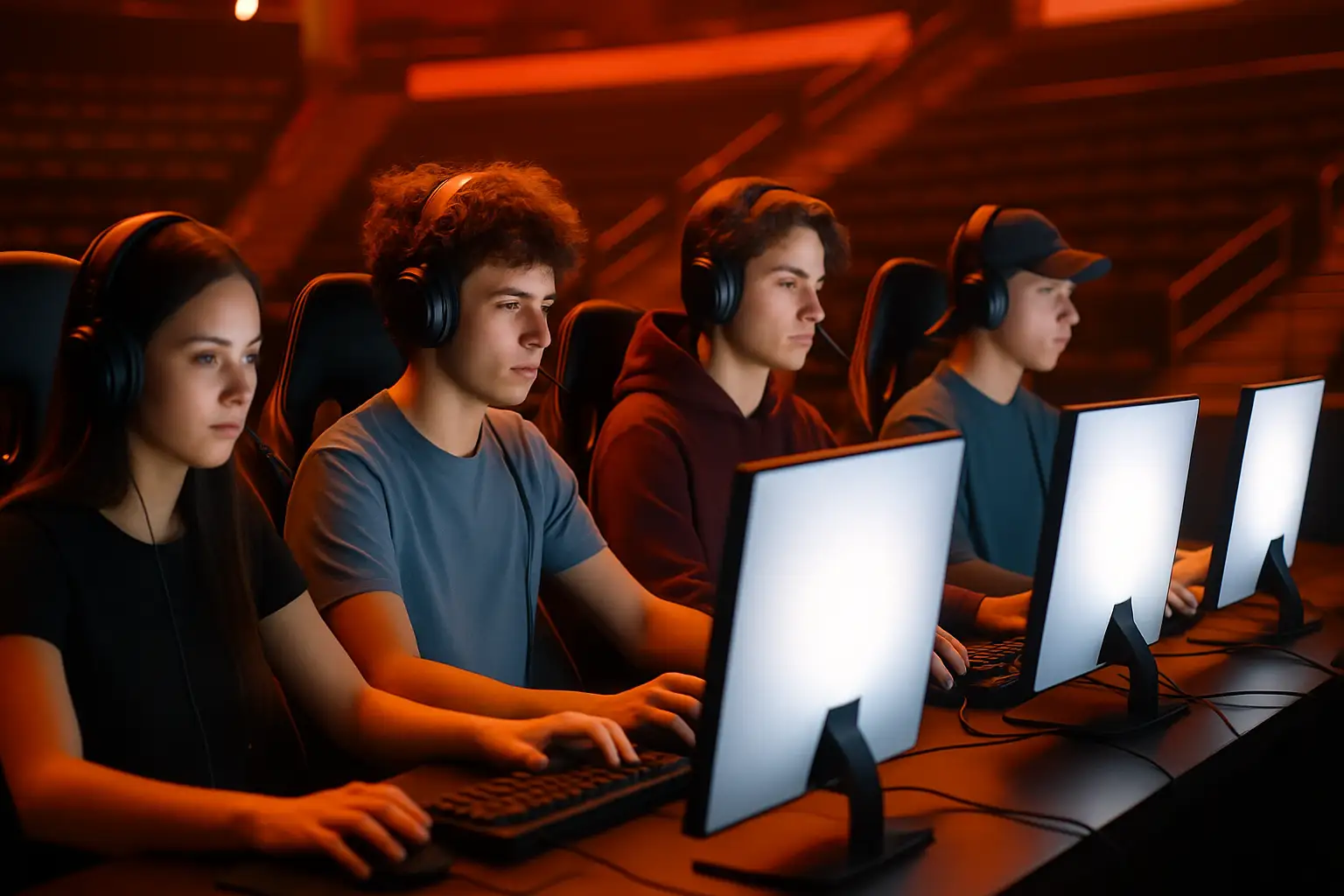


Esports in Jordan Is No Longer a Fringe Interest
For a growing number of young Jordanians, esports is not a hobby on the side. It is a primary source of entertainment, community, and in some cases, ambition. Esports in Jordan has moved from internet cafes and bedroom setups into a broader cultural conversation, and the reasons behind that shift are worth examining closely.
Jordan has one of the youngest populations in the Middle East, with a large share of its citizens under 30. That demographic reality alone creates fertile ground for gaming culture. But age is only part of the story.
Accessibility Drives the Growth
One of the clearest factors behind youth engagement with esports in Jordan is how easy it has become to participate. Smartphones have put competitive gaming within reach of young people who may not own a dedicated console or high-end PC. Mobile titles with competitive formats have lowered the entry barrier significantly.
Internet infrastructure has also improved across Jordanian cities, making online multiplayer more viable than it was even five years ago. When a teenager in Amman can compete in real time against players regionally or globally, the appeal of esports grows naturally.
Cost matters too. Watching esports content online is free. Many popular competitive titles are free to download and play. For young people in a country where disposable income can be limited, esports offers an expansive world of entertainment and competition without a steep financial commitment.
Community and Identity Play a Big Role
Beyond the games themselves, esports offers something that resonates deeply with youth anywhere: belonging. Online communities built around specific games give young Jordanians a space to connect with peers who share their interests, regardless of geography or background.
Local gaming communities have been forming organically in Jordan, with players organizing informal tournaments and sharing content on social media platforms. These grassroots networks reinforce identity and keep participants engaged over time.
For some young Jordanians, professional esports players serve as role models in a way that traditional sports figures once did exclusively. Watching someone from a similar background compete at a high level - and earn recognition for it - shifts perceptions about what is possible through gaming.
There is also a creative dimension. Streaming, content creation, and commentary around esports have opened paths that go beyond playing. Young people interested in broadcasting, graphic design, or media production see esports as a field where those skills apply directly.
A Competitive Scene Taking Shape
Regional esports organizations and tournament organizers have recognized the Arab world as a growth market, and Jordan has been part of that expansion. Competitions targeting Arab youth, broadcast in Arabic, have made the scene feel more local and relevant.
Schools and universities in Jordan have begun to acknowledge gaming as a legitimate extracurricular pursuit in some cases, though institutional support remains uneven. Where it does exist, it adds structure and visibility that helps normalize esports participation.
The original reporting by Augusta Free Press highlights that this youth-driven momentum reflects both cultural shifts and practical conditions on the ground in Jordan. The convergence of a young population, improving digital access, and a globally expanding esports industry has produced conditions where engagement was almost inevitable.
Parents and educators are still catching up. Attitudes toward gaming in many Jordanian households remain cautious, with concerns about screen time and academic focus. That tension is real, but it has not slowed the growth. If anything, the friction has pushed some young Jordanians to engage with esports communities online where they feel less judged and more understood.
What is happening in Jordan mirrors trends seen across the broader Middle East and North Africa region, where esports viewership and participation have climbed steadily. Jordan sits at an interesting point in that curve, past the very early stages but still far from the kind of institutional investment seen in markets like Saudi Arabia or the UAE.
That gap may close. Investment tends to follow audience size, and the audience in Jordan is clearly growing. Whether through mobile gaming competitions, university leagues, or local streaming communities, young Jordanians are building an esports culture that reflects their own context and conditions.


Football Correspondent
Alex covers football and the global game with fast, sharp analysis.