Race Day Traditions That Unite Fans at F1 and MotoGP Events
From pre-race rituals to post-podium celebrations, race day traditions at F1 and MotoGP events have become a powerful glue binding friends and families together trackside.


How Race Weekends Became a Family Affair
Race day traditions at MotoGP and Formula 1 events are more than superstition or habit. They are the scaffolding around which friendships are built and family bonds are reinforced, weekend after weekend, circuit after circuit. Reporting from the360mag.com highlights how these shared rituals have grown into a defining part of motorsport culture globally.
The pattern is familiar to anyone who has stood on a grandstand. Groups arrive early, claim their spots, unpack food from the same cooler they have used for years, and run through the same checklist of jokes and predictions. The routine itself becomes the point, almost as much as the racing.
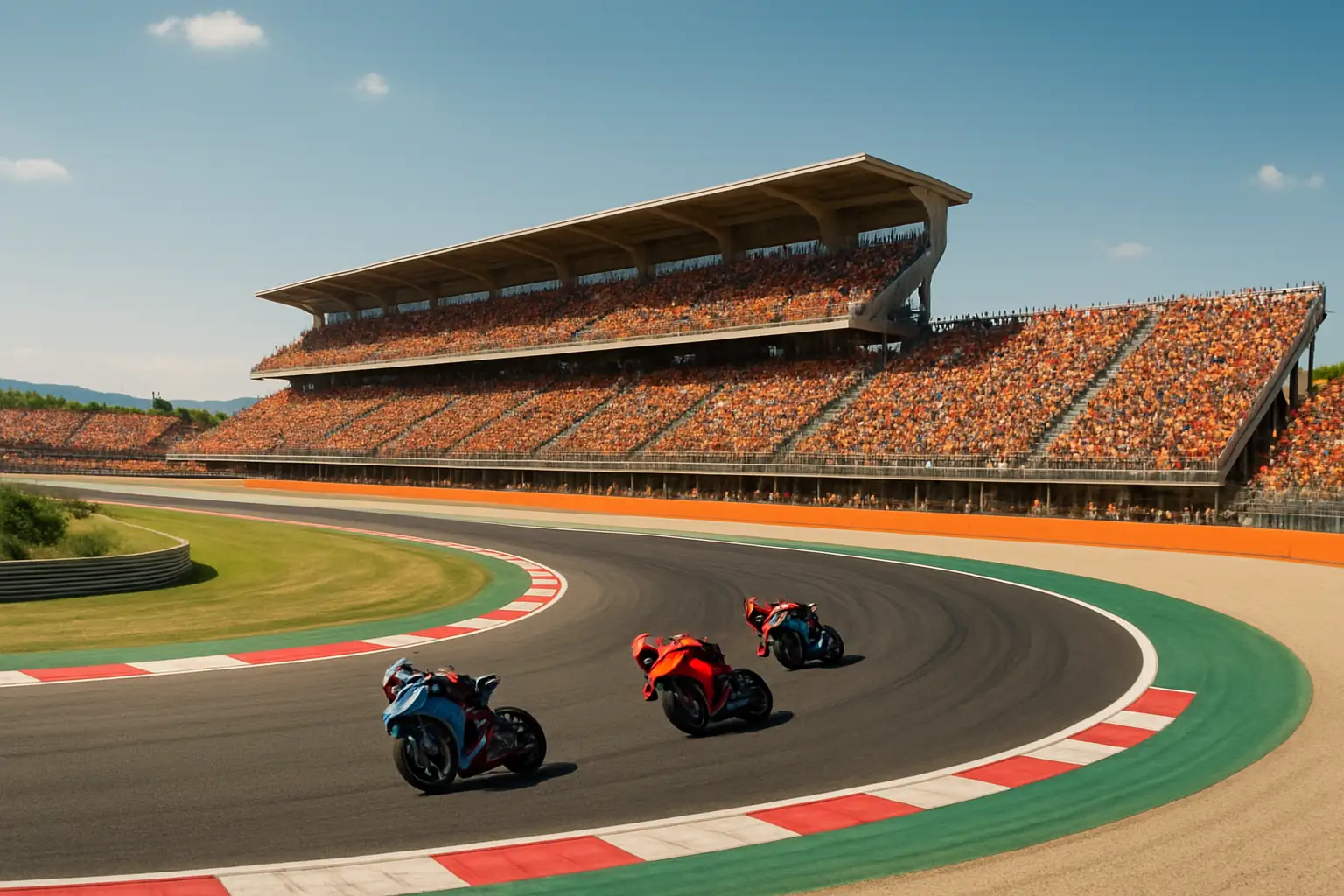
At MotoGP rounds in particular, where circuits like Mugello, the Circuit of the Americas, and Phillip Island attract passionate, multigenerational crowds, these customs take on extra weight. Grandparents who followed Valentino Rossi now bring grandchildren to watch Marc Marquez or Francesco Bagnaia. The sport hands itself down through tradition.
Pre-Race Rituals and the Social Architecture of a Race Day
The hours before lights out, or in MotoGP's case the formation lap, are structured by unwritten rules fans have developed over time. Matching team colors across a friend group. Wearing the same jacket that was worn at the last five events. Eating from the same food vendor at the same corner of the paddock area.
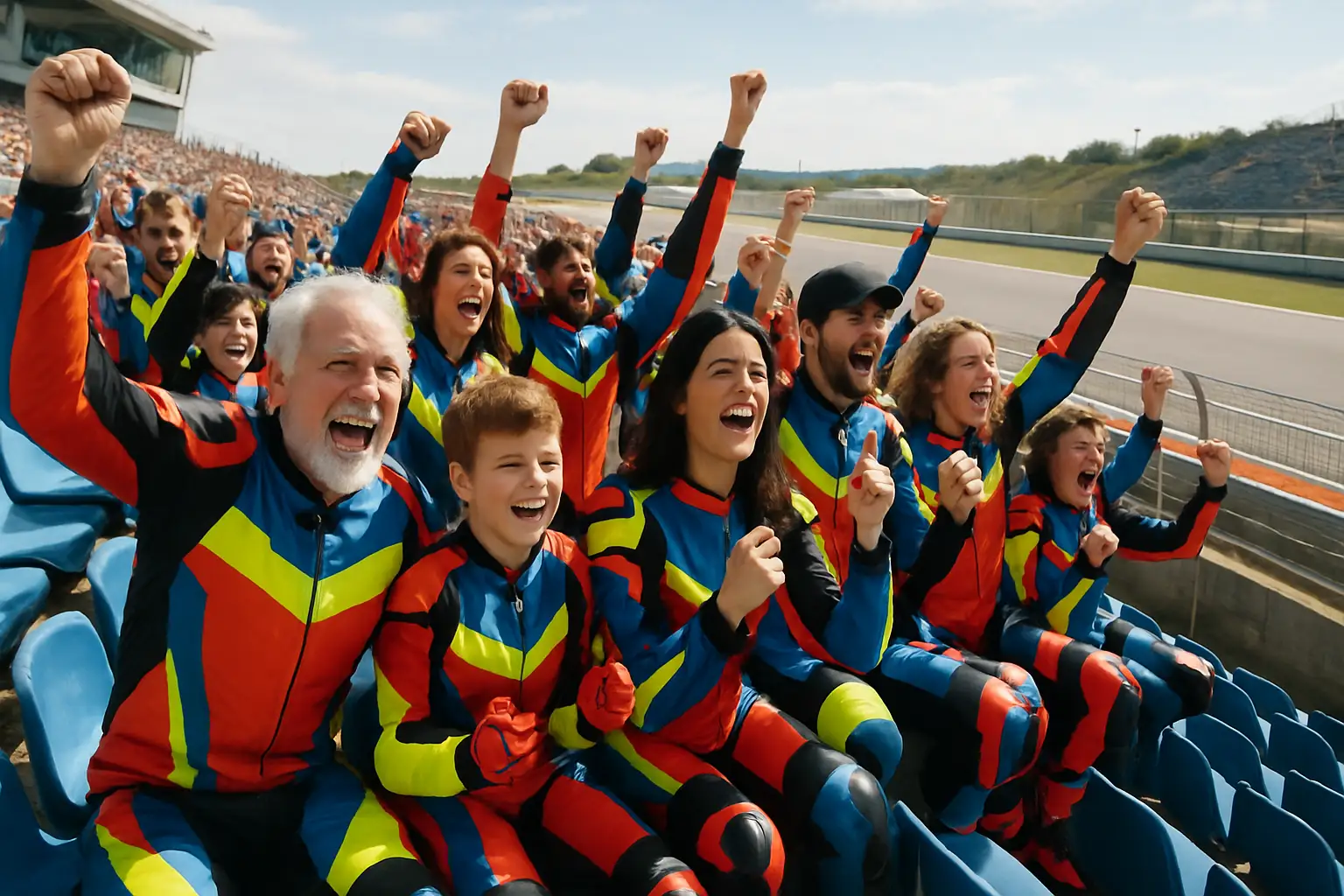
These habits serve a practical social function. They create a shared identity for a group and signal belonging. When a family or group of friends wears the same rider's livery, they are doing something anthropologists would recognize as tribal marking. It sets them apart and ties them together simultaneously.
For families attending their first MotoGP event, the traditions are often passed down deliberately. Parents explain the grid walk, teach children when to expect the noise spike as bikes leave pit lane, and show them where to stand for the best view of a corner. The knowledge transfer is quiet and unhurried, but it sticks.
Ticketing platforms and circuit operators have taken notice. Hospitality packages increasingly cater to groups rather than individuals, recognizing that most attendees arrive with someone, not alone. Circuits have expanded fan zones, improved family facilities, and created viewing areas designed to hold a group together rather than scatter them.
Post-Race Celebrations and the Tradition of Shared Memory
What happens after the chequered flag is just as much a tradition as what comes before it. Fans who have watched a favorite rider reach the podium describe a collective release of tension that binds everyone who experienced it together. Strangers hug in grandstands. Friends replay the overtake on phones. Families photograph each other with the circuit in the background.
These post-race moments feed directly into the story a group tells about itself. The race where the rain came in. The year their rider crashed out on the final lap. The weekend the whole family stayed in a camper van and barely slept. Each event adds a chapter.
Social media has extended this dynamic beyond the circuit. Groups share race-day photo albums, tag each other in highlight clips, and maintain WhatsApp threads that stay active between seasons. The digital layer has not replaced the physical tradition. It has amplified it, letting fans relive and reshare the experience long after the temporary grandstands come down.
MotoGP's own broadcast and content strategy reflects this shift. Short-form behind-the-scenes content, rider access features, and fan-focused storytelling across digital platforms are designed to sustain the emotional connection between rounds. The sport understands that a fan who comes to a race with family is more likely to come back the following year.
Why These Traditions Matter for the Sport's Future
Motorsport attendance figures depend on repeat visitors, and repeat visitors are almost always people who came with someone else the first time. The traditions that surround race day, the rituals, the group meals, the matching gear, the post-race debrief over dinner, are the mechanism by which casual interest becomes lifelong loyalty.
For MotoGP specifically, with its international calendar and passionate regional fanbases, the family and friendship dimension is a commercial asset as well as a cultural one. A rider who can turn a neutral observer into a fan who then brings three family members to a race has done more for the sport than any marketing campaign.
As the360mag.com's reporting underlines, the traditions themselves are the product. The race is the occasion. The people you watch it with are the reason you come back.


MotoGP Correspondent
Luca Moretti is 21.fun's MotoGP correspondent, following the championship from free practice to the podium with an eye for race strategy and tech.