MotoGP at Silverstone: Tire Life and Corner Confidence Define Friday
MotoGP riders spent Friday at Silverstone zeroing in on tire durability and building trust through the circuit's demanding corners ahead of the British Grand Prix weekend.



Tire Management Takes Center Stage at Silverstone
MotoGP Friday practice sessions at Silverstone put tire life and corner confidence at the top of every team's priority list. The British circuit, known for its high-speed sweeps and abrasive surface, places heavy demands on rubber, and riders used the two practice sessions to gather data that will shape setup decisions through qualifying and the race.
Silverstone's layout punishes any bike that generates excessive tire heat in the early laps. Teams were focused on finding a balance that preserves compound integrity deep into a race stint, while still allowing riders to push hard enough to qualify near the front. That tension between pace and preservation is a recurring theme at this venue, and Friday gave engineers their first real read on how the 2024-specification machines handle the challenge.
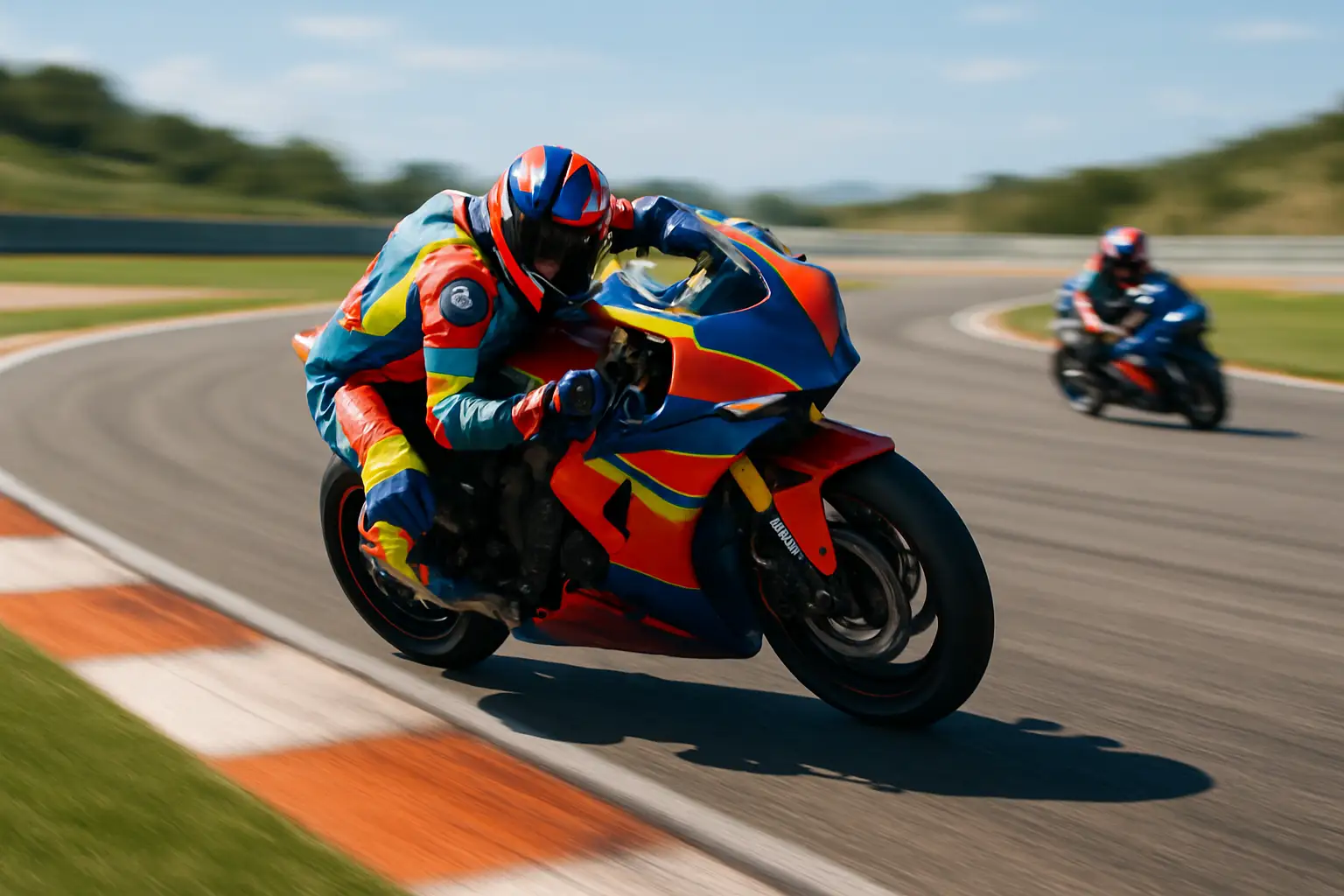
Riders reported that building confidence through the circuit's fast, linked corners was just as important as raw lap time on day one. Silverstone features several sections where commitment through a corner directly affects the following straight-line speed, meaning any hesitation costs time in multiple places. Getting comfortable early in the weekend, before track conditions shift with heavier rubber laid down and changing temperatures, was a stated goal for multiple camps.
What the Data Means for Race Strategy
Friday long runs gave team strategists their clearest indication yet of how tires will behave over a full grand prix distance. Degradation rates observed during practice influence everything from compound selection to the pace targets riders are given on race morning.
Silverstone's weather is rarely predictable, and conditions across the two Friday sessions can vary enough to complicate direct comparisons. Teams accounting for potential rain or shifting track temperatures were careful not to over-read single-lap pace and instead concentrated on consistent data across back-to-back laps.
Corner confidence, particularly through the Maggotts-Becketts complex, is a specific concern at Silverstone. That sequence demands that riders commit to lines at speeds where any instability from the rear tire translates immediately into lost time or, in the worst case, a crash. Riders who found a setup that generated grip without overheating the rear compound through those sections left Friday in a stronger position than those still searching for the right balance.
Building Toward Qualifying
With Friday's groundwork laid, attention turns to Saturday practice and qualifying. The tire and setup data collected during the opening day feeds directly into the decisions made on Saturday morning, when teams make final adjustments before the session that sets the grid.
Silverstone has historically produced competitive qualifying sessions across several manufacturers, and the work done on corner confidence Friday should translate into closer gaps on the timing screens as the weekend develops. Riders who managed to string together clean, consistent laps on Friday without excessive tire wear will carry momentum into the more critical sessions ahead.
The British Grand Prix weekend remains one of the most technically demanding stops on the MotoGP calendar, and the focus teams placed on tire life and corner confidence during Friday practice reflects how seriously every outfit takes the specific challenges Silverstone presents.


MotoGP Correspondent
Luca Moretti is 21.fun's MotoGP correspondent, following the championship from free practice to the podium with an eye for race strategy and tech.