MotoGP Riders Describe Assen as 'More Like a Volcano Than a Track'
MotoGP riders have described conditions at Assen as feeling like a volcano, highlighting the extreme intensity of racing at the Dutch circuit.
Assen Pushes Riders to Their Limits
MotoGP riders left the Circuit van Drenthe at Assen with vivid words to describe what they experienced on track, with some comparing the Dutch venue to a volcano rather than a conventional racing circuit. The remarks, reported by Motorsport.com, underline just how punishing conditions at Assen can be, whether from heat building through the asphalt, the intensity of the riding demands, or the raw physical and mental strain the lap places on competitors.
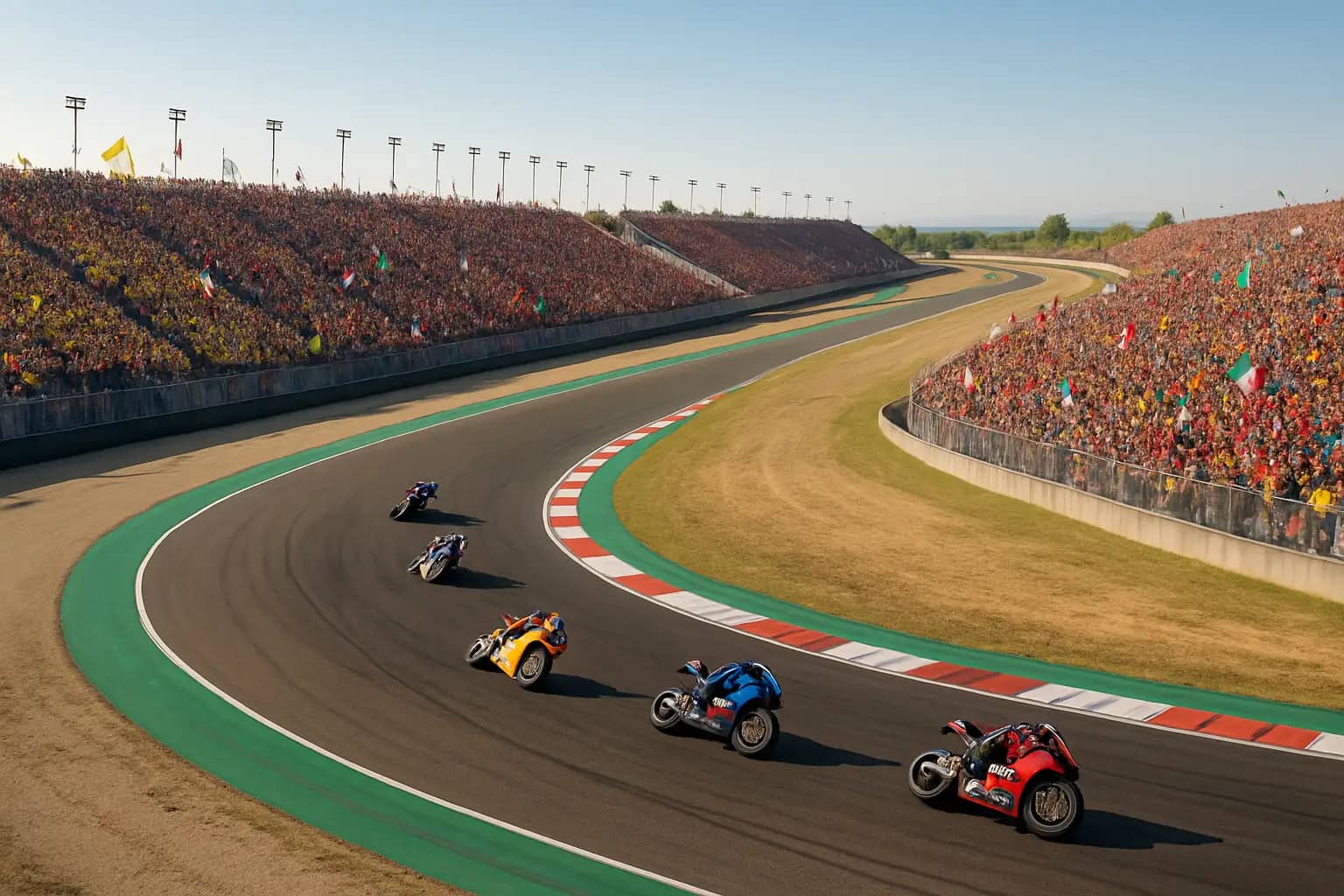
Aseen is one of the oldest and most celebrated venues on the MotoGP calendar. Known as the Cathedral of Motorsport, it draws huge crowds and carries a reputation for producing dramatic racing. But behind the spectacle, riders often speak of the circuit's unique demands, and this latest round produced some of the most striking feedback of the season.
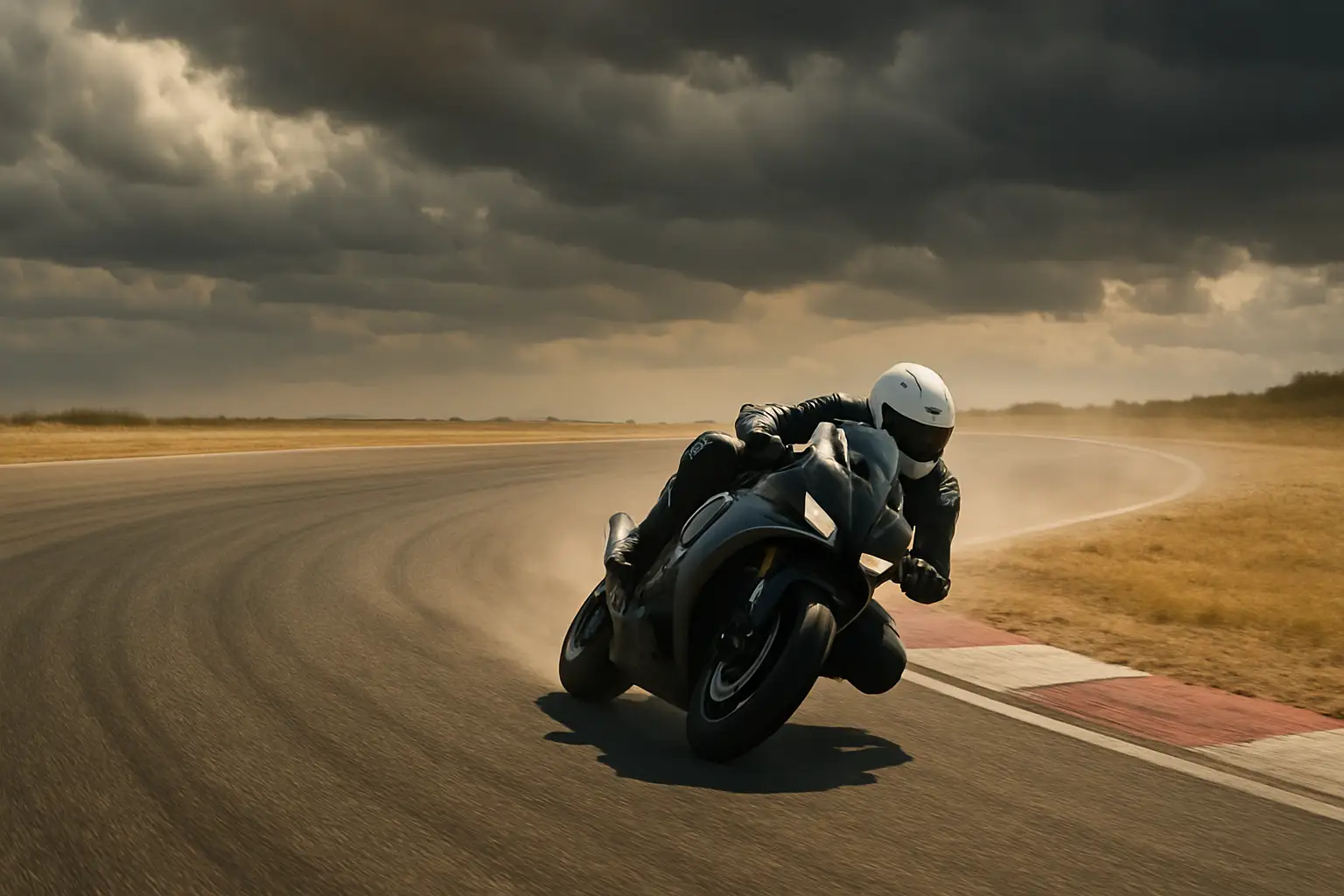
The "volcano" description captures something specific about how Assen can feel from the cockpit. The circuit's combination of fast, flowing corners, minimal run-off in places, and surface conditions that generate significant heat through tyres creates an environment where riders are constantly on the edge. When track temperatures spike, the challenge compounds quickly.
What the Conditions Mean for Riders and Machines
Extreme track temperatures are not just uncomfortable for riders. They directly affect tyre behaviour, which in MotoGP dictates almost everything about strategy, pace, and safety. When a surface runs hot, rubber degrades faster, grip levels shift mid-race, and the window for pushing hard narrows. Riders must read those changes lap by lap and adjust accordingly.
For the MotoGP field, which includes machines producing well over 200 horsepower and capable of exceeding 350 km/h, even minor changes in grip can have major consequences. The volcano comparison suggests that Assen, under those conditions, felt volatile and unpredictable, a circuit that demanded respect at every corner.
Physically, the demands are just as serious. MotoGP bikes require constant, full-body input from riders through every corner. A circuit as technical as Assen, with its sequence of linked bends and changes of direction, generates high levels of physical stress over a race distance. Add intense heat and the psychological weight of managing tyre life, and the toll on riders becomes clear.
Assen's Place on the MotoGP Calendar
The Dutch TT has been part of grand prix motorcycle racing longer than almost any other event. Its history stretches back decades, and it retains a special status among riders, teams, and fans. Winning at Assen carries genuine prestige, which only raises the stakes when conditions turn challenging.
The feedback from this year's visit adds another layer to that history. Riders do not typically reach for extreme language without cause. When a group of MotoGP competitors independently land on imagery as vivid as a volcano, it signals that what they experienced was genuinely unusual, not a routine complaint about warm weather.
Teams will now take that rider feedback into their data analysis as the championship moves forward. Understanding how the circuit and conditions behaved at Assen informs tyre choices, set-up decisions, and race strategy at future rounds where similar conditions might appear.
The MotoGP season continues with the championship standings still tightly contested, meaning every point dropped in extreme conditions like those at Assen carries added weight in the overall title fight.

MotoGP Correspondent
Luca Moretti is 21.fun's MotoGP correspondent, following the championship from free practice to the podium with an eye for race strategy and tech.