MotoGP Holeshot Devices, Grid Rules and Technical Updates Explained
MotoGP continues to evolve on the technical front, with holeshot devices, grid layout procedures and other regulations drawing attention from teams and fans alike.
MotoGP Holeshot Devices Remain a Key Technical Talking Point
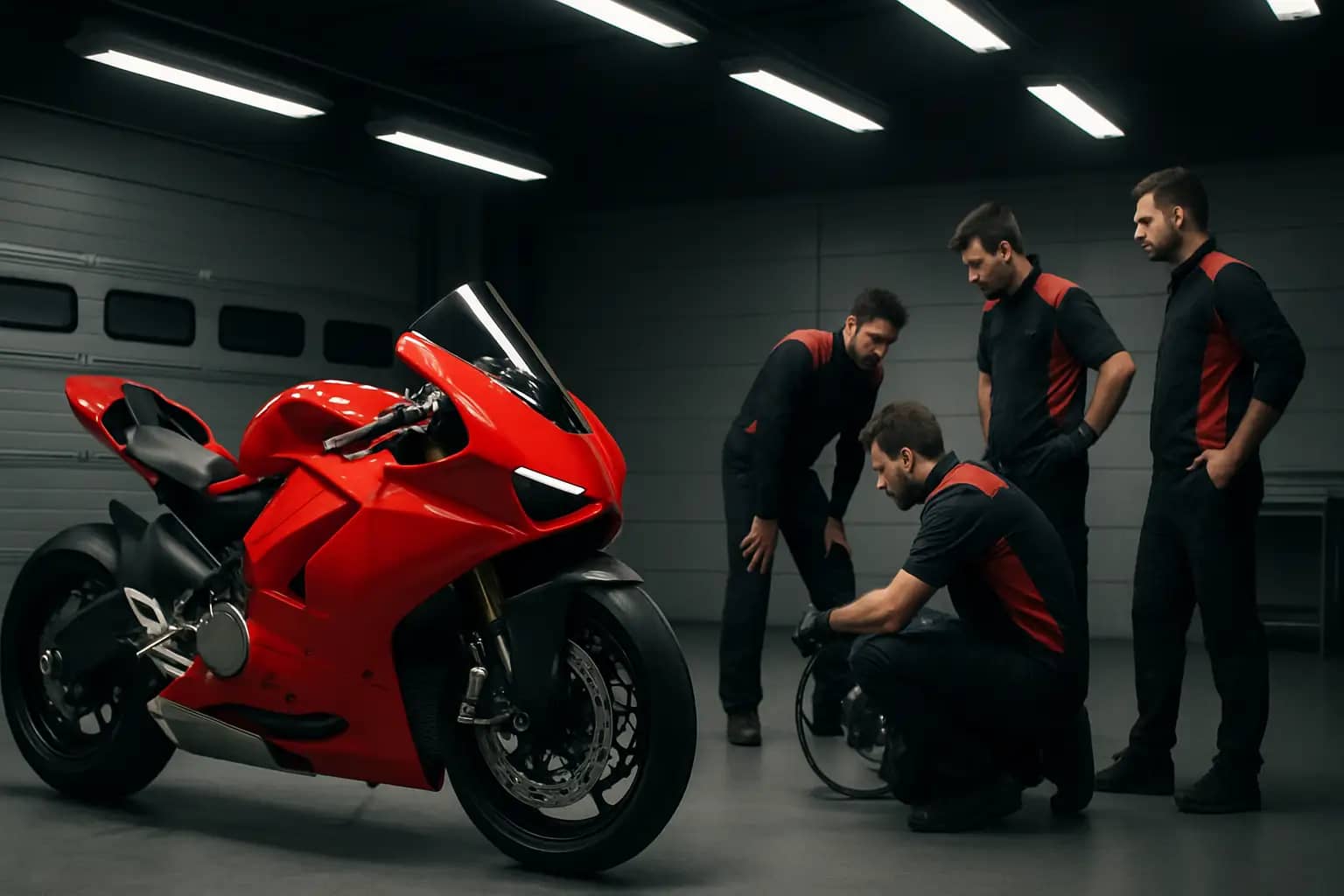
Holeshot devices have become one of the defining technical features of the modern MotoGP era. These systems allow riders to lower the front or rear of the bike mechanically at the start, reducing wheelie tendency and helping the motorcycle launch more aggressively off the line. The result is a faster exit from the start box and a better chance of leading into the first corner.
The technology has spread across the premier class grid, with virtually every factory team running some version of the system. The development race around these devices reflects the broader engineering arms race in MotoGP, where small mechanical gains at the start can translate directly into race positions.
According to reporting by Roadracing World, holeshot devices are among several technical and procedural topics currently under discussion within the paddock. The conversation spans not just the devices themselves but how grid layout and other race-day procedures interact with the overall competitive picture.
Grid Layout and Start Procedures Under the Spotlight
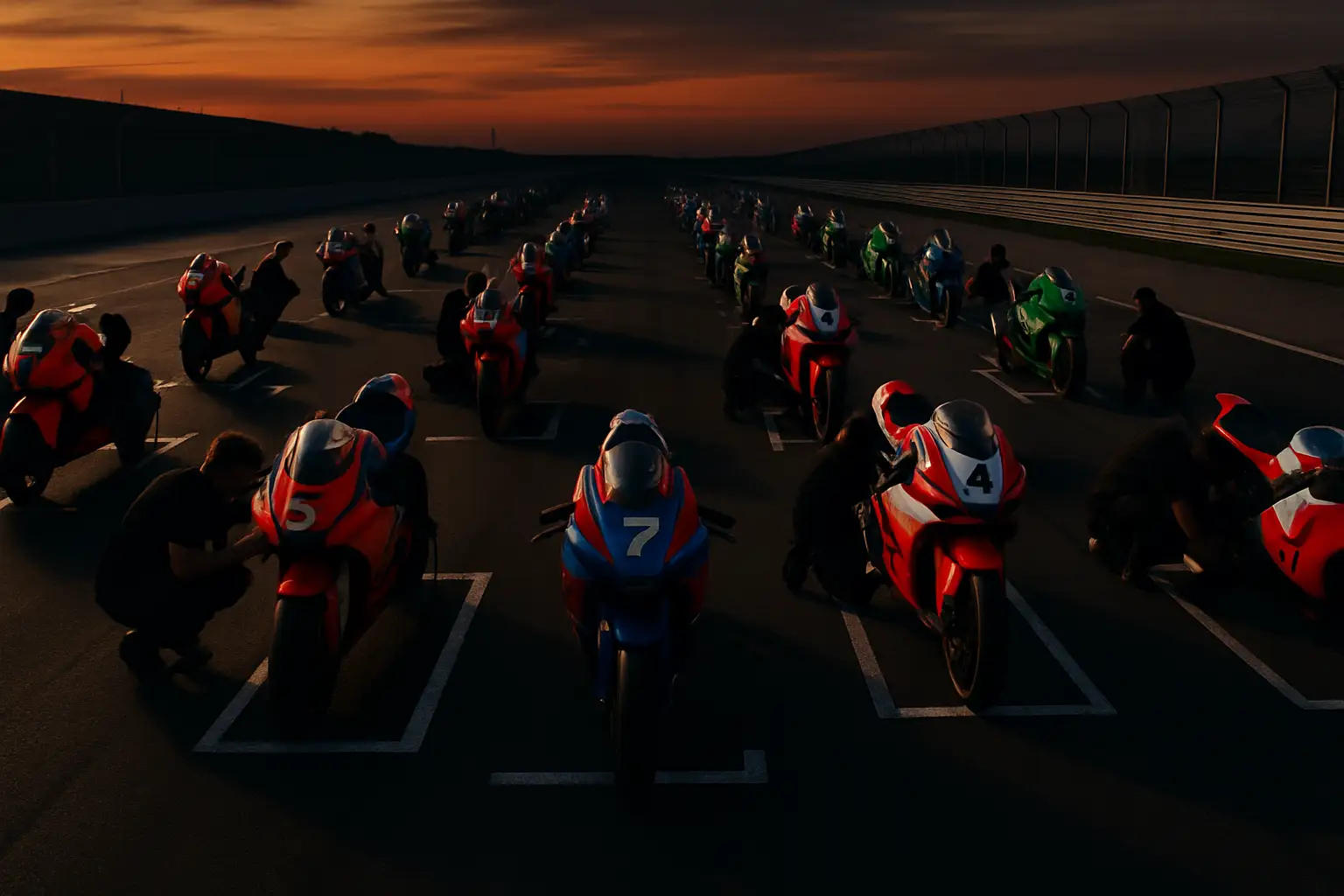
The way riders line up on the MotoGP grid is more complex than it might appear from the grandstands. Grid positions are determined by qualifying results, but the physical layout of the grid boxes, the spacing between rows, and the surface conditions at each circuit all play a role in how effectively a rider can deploy their holeshot system.
Surface grip at the front of the grid varies from venue to venue. Some circuits offer consistent tarmac that allows riders to get heat into their rear tyre during the sighting lap and hold a stable launch. Others present more unpredictable conditions, making the mechanical advantage of a holeshot device harder to exploit cleanly.
Teams invest significant preparation time studying grid conditions ahead of each round. Tyre choice for the start, warm-up procedures, and the exact moment a rider activates a holeshot device are all carefully rehearsed. A mistake in any of these steps can cost several positions before the field even reaches the first braking zone.
Broader Technical Picture in the Paddock
Holeshot devices and grid procedures are just two elements of the wider technical conversation happening in MotoGP at any given time. The championship operates under a complex technical regulations framework that governs everything from engine specifications and electronics to aerodynamic bodywork and tyre allocation.
Aerodynamic winglets and ride-height devices have added layers of complexity to how modern MotoGP bikes behave both at the start and through high-speed corners. These components interact with holeshot systems in ways that engineers continue to study and refine. A bike that sits lower at launch generates different aerodynamic loads once it accelerates to racing speed, requiring careful calibration across the full performance envelope.
Electronics also play a central role. Launch control mapping, traction control intervention and anti-wheelie settings are all adjusted depending on the circuit layout and expected grid conditions. The software side of a MotoGP launch is as carefully engineered as any mechanical component.
Roadracing World highlighted these topics as part of ongoing coverage of how the technical side of MotoGP shapes racing outcomes. The publication has consistently tracked how rules, devices and procedures combine to influence who leads into the first corner and, ultimately, who wins races.
Why These Details Matter for the Championship
In a series where lap time differences between the top ten riders can be measured in tenths or hundredths of a second, the start is one of the few moments where a larger gap can open quickly. A rider who gains two or three positions off the line carries a significant strategic advantage, particularly at circuits where overtaking is difficult.
Holeshot devices have made the start line more of a technical equalizer in some respects, giving riders with strong mechanical packages a tool to compensate for a less favorable grid slot. At the same time, they have raised the technical barrier to entry, requiring teams to invest in development and testing to remain competitive in those opening seconds of each race.
Grid layout, surface preparation and procedural rules all feed into the same calculation. How the regulations evolve around these areas will continue to shape the character of MotoGP racing through the remainder of the current technical cycle.

MotoGP Correspondent
Luca Moretti is 21.fun's MotoGP correspondent, following the championship from free practice to the podium with an eye for race strategy and tech.