Lucio Cecchinello Revisits His 125cc Roots with Bittersweet Nostalgia
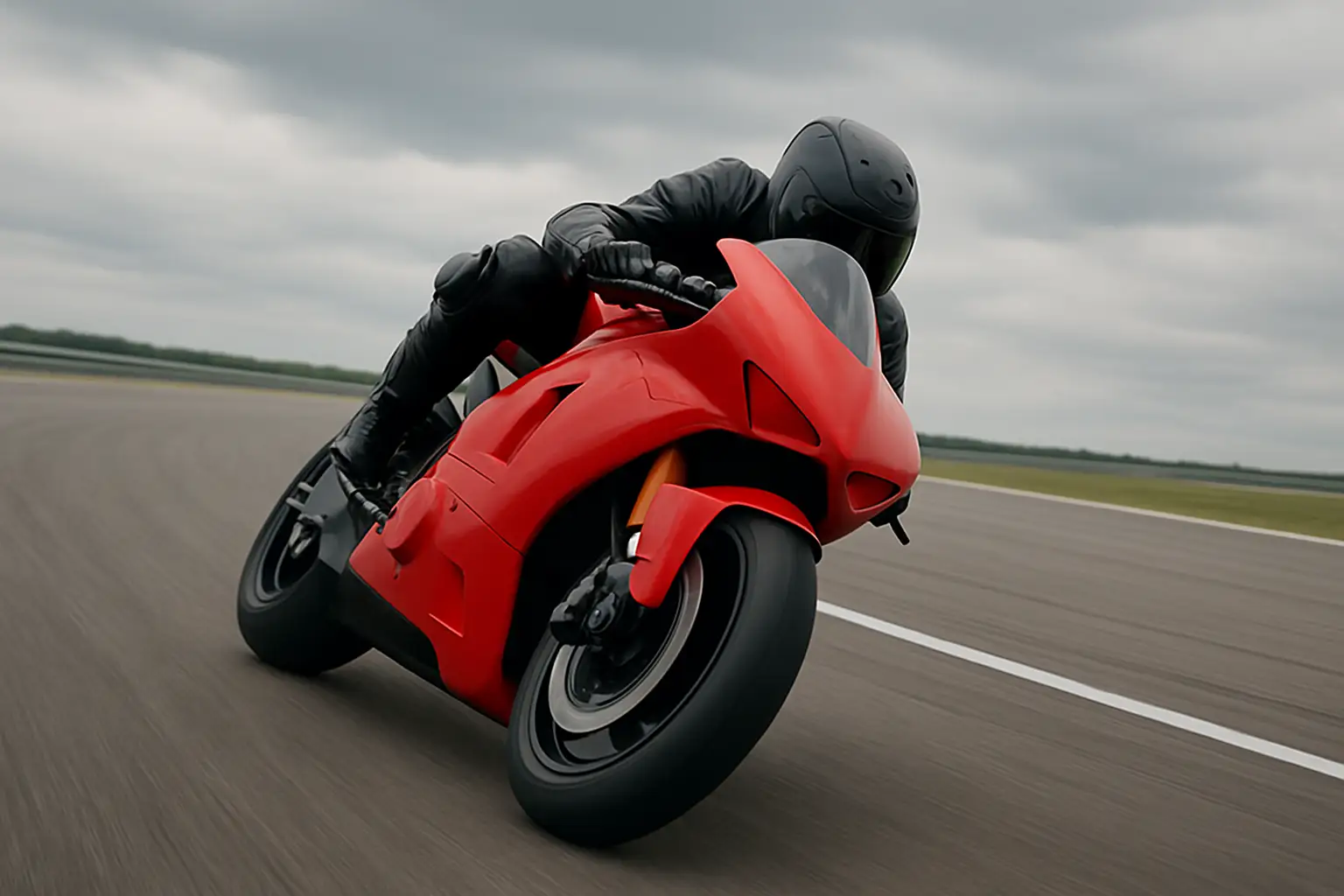
LCR Honda team principal Lucio Cecchinello has been reflecting on his days as a 125cc rider, describing the experience as a mix of fond memories and wistful longing.


Cecchinello Looks Back at His 125cc Career
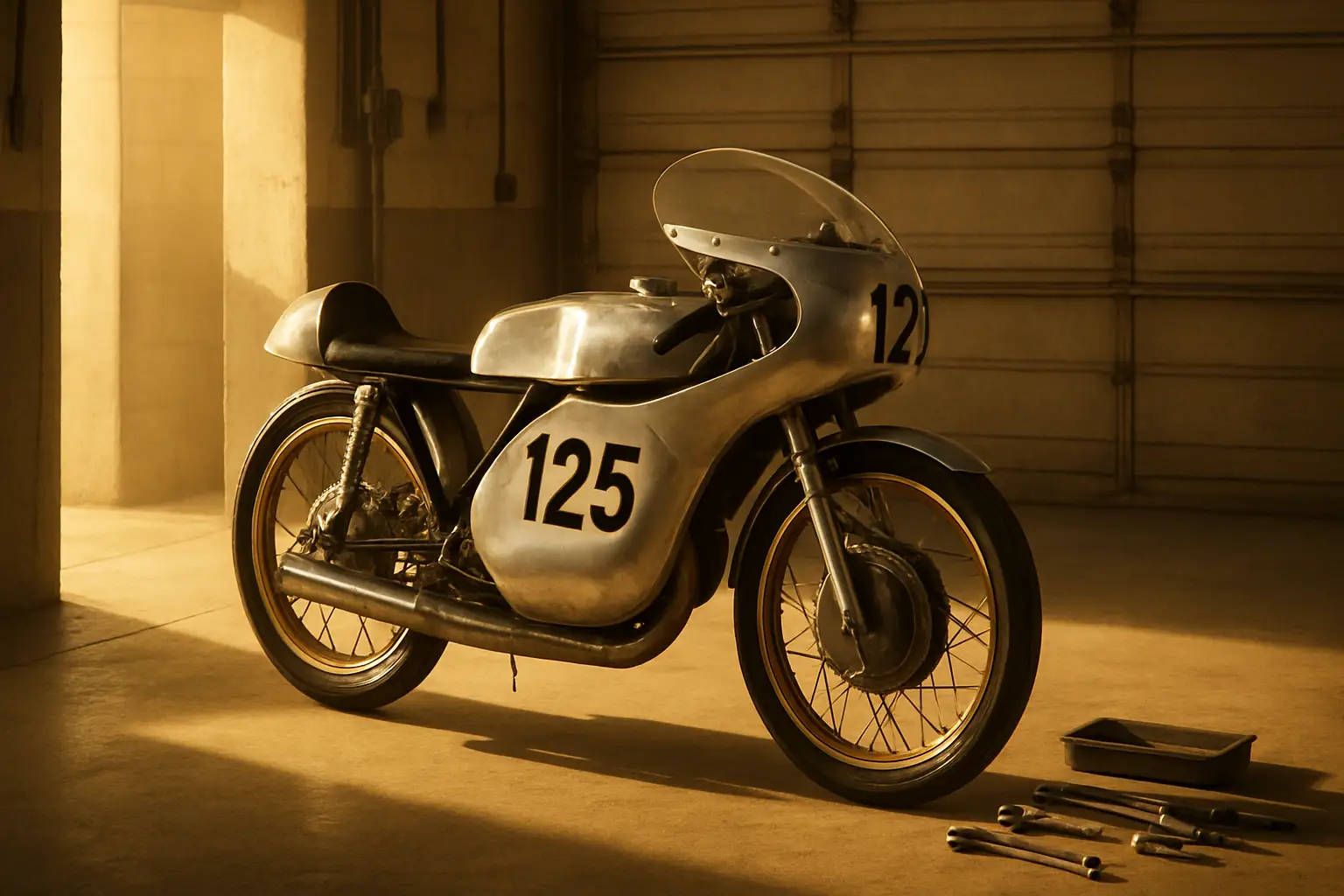
Lucio Cecchinello, best known today as the team principal of LCR Honda in MotoGP, has been revisiting his past as a 125cc competitor, and the feelings it stirs are far from simple. According to a report by gpone.com, Cecchinello described the experience of reconnecting with his old 125cc machine as bittersweet, a word that captures the tension between warm memories and the awareness that those years are long gone.
Before he built one of the paddock's most recognizable independent teams, Cecchinello was a rider himself. He competed in the 125cc class during the 1990s, a period when the smallest Grand Prix category was fiercely competitive and served as the entry point for many future champions. His racing career gave him a ground-level understanding of what it takes to survive and succeed in Grand Prix motorcycle racing, experience he has drawn on throughout his career as a team manager.
A Reunion with a Machine from Another Era
Seeing or riding a 125cc bike from that period is not the same as watching old race footage. There is something tactile and immediate about being close to a machine that once defined your daily life. For Cecchinello, that reunion appears to have brought back both the excitement of those years and a reminder of how much has changed since.
The 125cc World Championship class itself no longer exists in its original form. It was replaced by the Moto3 category in 2012, when four-stroke engines took over from the two-stroke machines that had defined small-class Grand Prix racing for decades. The old 125cc two-strokes were notoriously physical bikes to ride, demanding precise throttle control and rewarding riders who could extract every fraction of performance from an engine that delivered power in sharp, aggressive bursts.
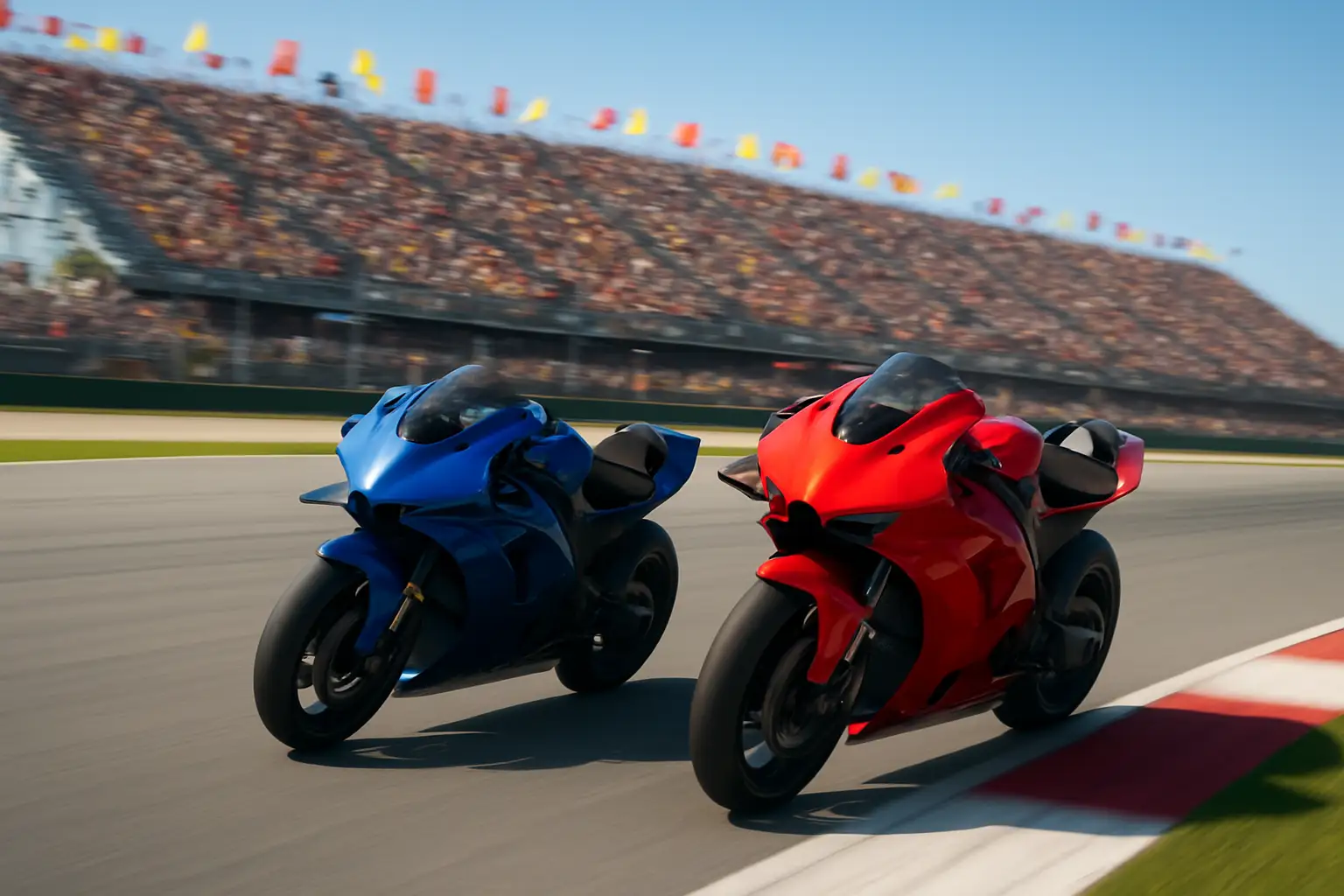
Cecchinello's reflection on his 125cc past carries added weight given how the sport has evolved. The riders he now manages in MotoGP operate in a world of seamless electronic rider aids, data engineering teams, and hybrid aerodynamic packages that would have been unrecognizable to the paddock of the early 1990s.
From Rider to Team Principal
Cecchinello founded the LCR team, which takes its name from his initials, and has run it through multiple eras of MotoGP machinery. The team has operated as a Honda satellite outfit for many years, providing riders with factory-spec or near-factory equipment. Over the course of his tenure as team principal, LCR Honda has worked with a range of riders and achieved competitive results across different championship cycles.
His dual perspective, having been a rider and now managing riders, gives Cecchinello a particular vantage point on the sport's history. He understands the physical and psychological demands of racing from direct experience, not just from data sheets and debriefs.
That background makes his nostalgia for the 125cc days more than just sentiment. It reflects a genuine understanding of what that class meant as a training ground and as a spectacle. Riders in the 125cc era had fewer technological safety nets and less financial infrastructure around them. The racing was raw, and the margins were thin.
What the 125cc Era Represented
For many in the MotoGP paddock who came through the 125cc class, the category holds a specific kind of affection. It was where careers began, where reputations were built from scratch, and where the fundamentals of Grand Prix racing were learned without the buffer of sophisticated electronics.
Cecchinello's bittersweet reaction to revisiting that world is understandable. The nostalgia is real, tied to youth, ambition, and the intensity of competition. The bitterness, if it can be called that, comes from knowing that era of racing is closed, replaced by something different even if not necessarily lesser.
For fans of the sport's history, moments like this one serve as a reminder that the people running today's MotoGP paddock carry decades of experience and memory with them. Cecchinello's reflection, as reported by gpone.com, is a small but telling window into that history.


MotoGP Correspondent
Luca Moretti is 21.fun's MotoGP correspondent, following the championship from free practice to the podium with an eye for race strategy and tech.