Bagnaia and Ducati Split: Tardozzi Says 'We Didn't Reject Him'
The Bagnaia and Ducati partnership is coming to an end, but team manager Davide Tardozzi is pushing back on any suggestion the Italian was pushed out.


Bagnaia and Ducati: A Chapter Closes
The Bagnaia and Ducati story is ending. One of MotoGP's most decorated partnerships in recent memory is winding down, and the paddock is now absorbing exactly what that means for both sides heading into the next chapter of the premier class.
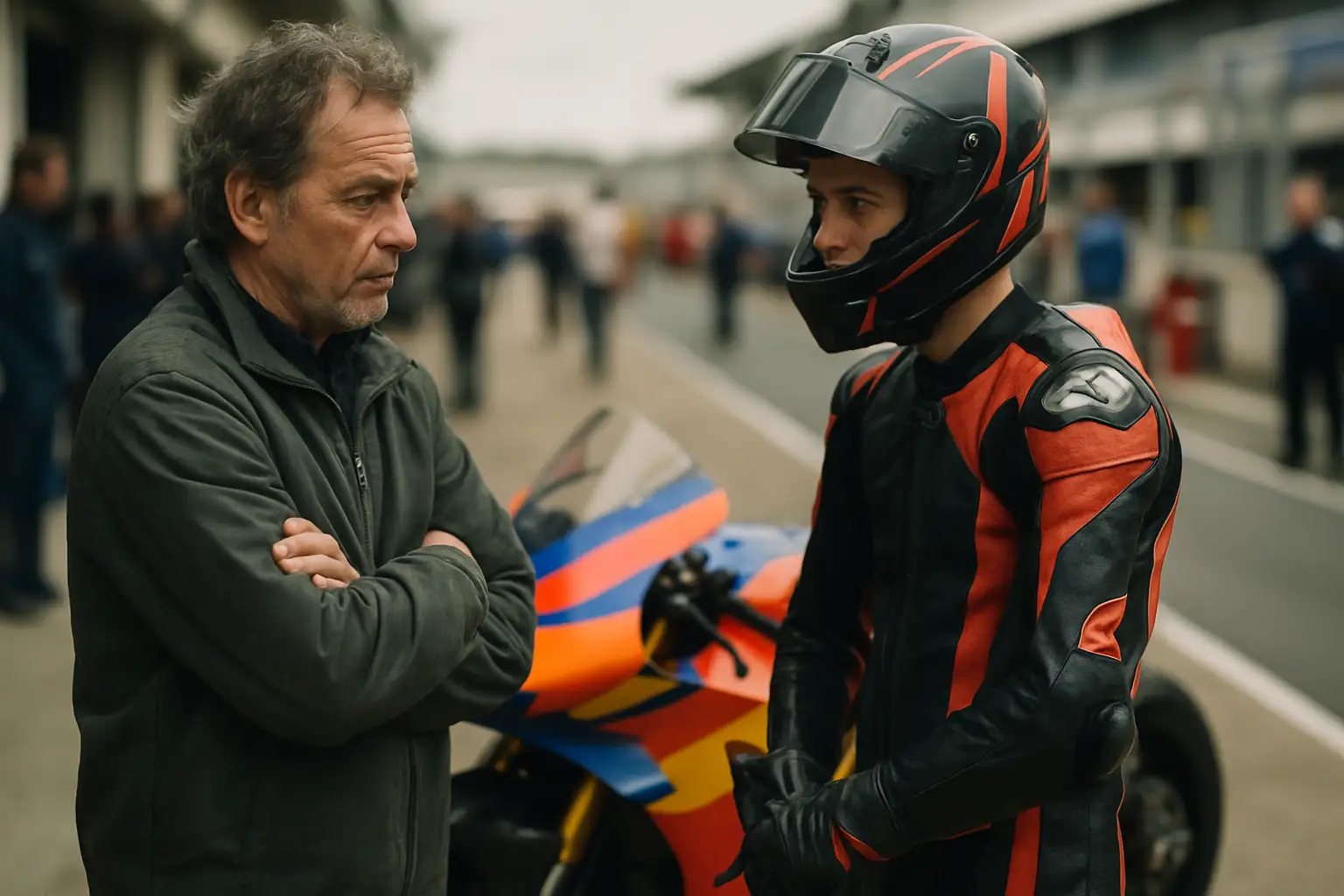
Ducati team manager Davide Tardozzi addressed the situation directly, offering a pointed rebuttal to the narrative forming around the split. According to reporting by Quotidiano Sportivo, Tardozzi said clearly: "We haven't rejected him." The statement signals that Ducati is eager to control the tone around the separation, framing the parting as a mutual development rather than a dismissal of the two-time world champion.
For a manufacturer that has leaned heavily on Francesco Bagnaia as its factory standard-bearer, the optics matter. Letting the story settle as a cold exit would not serve Ducati's image, particularly with sponsors, fans, and the next generation of riders watching how the Bologna outfit treats its top talent.
What the Split Means for Both Sides
Bagnaia delivered back-to-back MotoGP world championships for Ducati, cementing his place in the factory's history alongside some of the sport's great title winners. That record makes the end of the relationship a significant moment, not a footnote.
For Ducati, the decision to move in a different direction with its factory lineup reflects the competitive pressure at the top of MotoGP. The grid is tight, younger riders are forcing their way into conversations about factory seats, and manufacturers make cold calculations about the future regardless of past success.
For Bagnaia, the separation opens a new and uncertain phase. A rider of his caliber and title pedigree will have options, but leaving a factory setup that he helped build into a championship machine is rarely a simple transition. The machinery, the team dynamics, the data infrastructure - all of that changes when a rider moves.
Tardozzi's careful wording is also a signal to the rest of the paddock. By stating that Ducati did not reject Bagnaia, the team is keeping the door open to a version of events where the rider had agency in the outcome. Whether that framing holds up under further scrutiny remains to be seen.
The Broader Context in MotoGP
The Bagnaia-Ducati split lands at a moment when the MotoGP manufacturer landscape is shifting. Factory allegiances are being reshuffled, rider contracts are overlapping with development cycles, and teams are weighing proven champions against the cost and upside of younger talent.
Ducati has been the dominant force in MotoGP for several seasons, and that dominance has given the Italian manufacturer unusual leverage. When you supply multiple teams on the grid and your machinery consistently sits at the front, you can afford to make bold calls on your rider lineup without the same risk that smaller manufacturers face.
That context is essential to reading Tardozzi's comment accurately. Ducati is not explaining itself out of weakness. The clarification is a measured public relations move by a team that wants to exit this chapter cleanly, with respect intact on both sides.
Bagnaia, for his part, has said nothing publicly that contradicts the mutual framing. The absence of any public grievance from the rider's camp, at least at this stage, keeps the situation from escalating into the kind of messy public dispute that can damage both a rider's market value and a manufacturer's reputation.
What happens next for Bagnaia's career will be the real test of where power sits in this particular negotiation. The coming weeks should bring more clarity on where the Italian rides in the next MotoGP season, and that announcement will say more about the true nature of this split than any carefully worded statement from team management.


MotoGP Correspondent
Luca Moretti is 21.fun's MotoGP correspondent, following the championship from free practice to the podium with an eye for race strategy and tech.