Spanish Football Chief Blasts FIFA Boss for 'Destroying the Football Industry'
Spain's football chief has launched a stinging public attack on FIFA president Gianni Infantino, accusing him of wrecking the global game with his expansion plans.
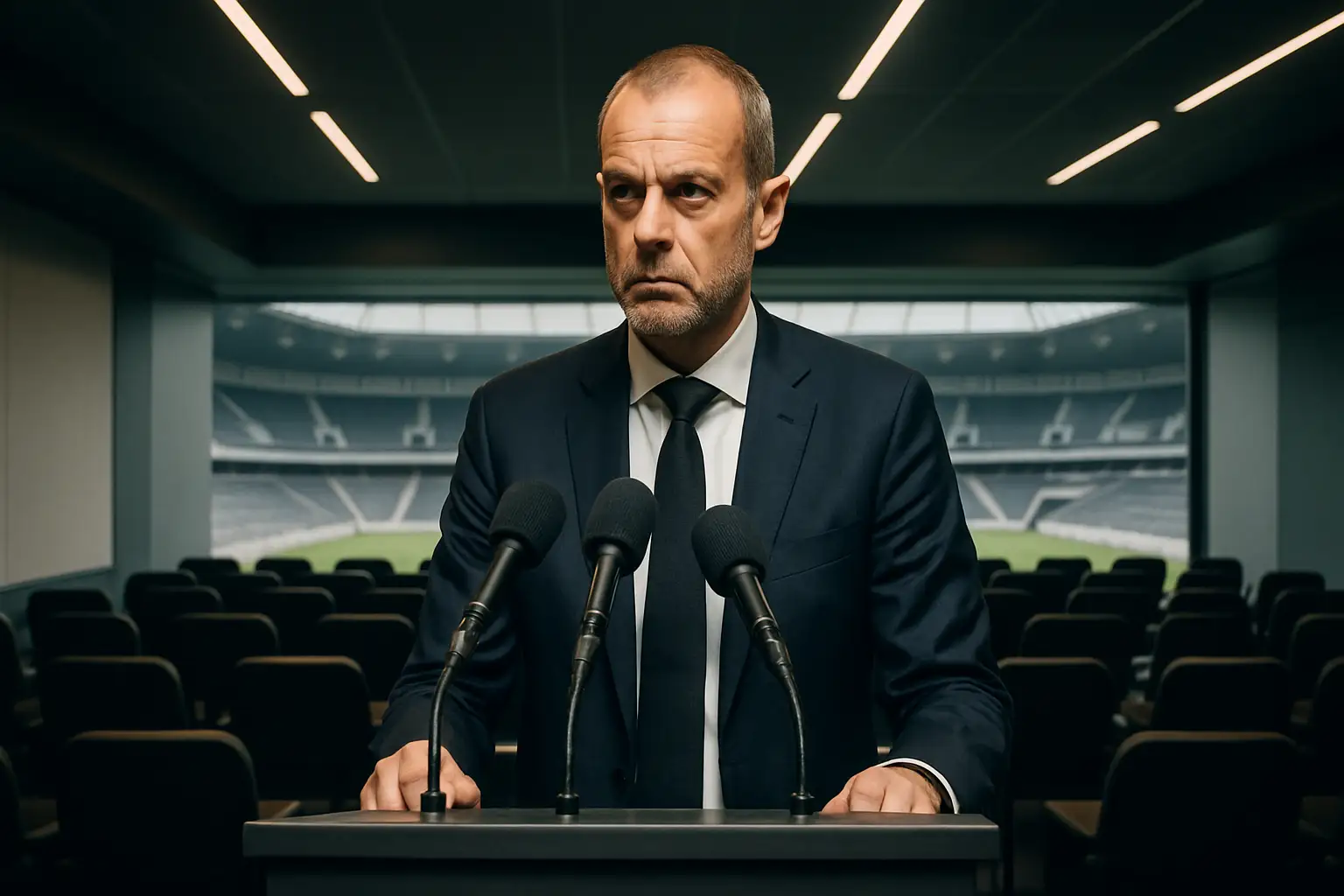


Spain's Top Football Official Takes Aim at Infantino
The head of Spanish football has publicly accused FIFA president Gianni Infantino of "destroying the football industry," in one of the bluntest attacks on the governing body's leadership to come from a senior European official in recent years. The criticism, reported by ABC News, reflects growing frustration among European football administrators over the direction FIFA has taken under Infantino.
The Spanish chief's remarks were pointed and unambiguous. The core complaint centers on what critics describe as an overloaded match calendar and the relentless expansion of FIFA competitions, moves that many club officials and league administrators argue place unsustainable pressure on players and domestic competitions.
The Calendar Crunch at the Heart of the Dispute
At the center of this conflict is FIFA's push to grow its slate of tournaments. The expanded Club World Cup, which now features 32 teams and is scheduled to run across several weeks in the summer, has been a lightning rod for complaints. European leagues and clubs have argued that fitting another major tournament into an already packed season risks player welfare and undermines the quality of domestic football.
Club sides and national leagues have repeatedly raised the alarm about fixture congestion. Players are logging more minutes than at any previous point in the sport's professional era, and medical staff at top clubs have linked the trend to rising injury rates. For Spain's football leadership, that context makes Infantino's expansion agenda difficult to stomach.
The accusation that FIFA's boss is "destroying the football industry" is striking in its directness. Senior football officials rarely use that kind of language publicly about the head of the sport's global governing body, and the choice to do so signals that behind-the-scenes diplomacy has run out of road for at least some European administrators.
Wider European Frustration With FIFA's Direction
Spain is not alone in its concerns. The European Club Association and UEFA have both clashed with FIFA over scheduling and governance in recent years. The relationship between European football's power centers and Zurich-based FIFA has been strained for some time, with disputes over revenue distribution from new competitions adding another layer of tension.
Infantino has defended the Club World Cup and other expansion projects as tools for spreading football's financial benefits more broadly, particularly to associations in Africa, Asia, and Latin America that have historically received a smaller share of the sport's revenues. Supporters of the approach argue that European clubs and leagues have long dominated football's economics and that reform is overdue.
But critics counter that growing the number of matches and tournaments does not automatically grow the overall pool of money in healthy ways. They argue it dilutes the prestige of existing competitions, exhausts playing squads, and creates a race to the bottom on player welfare.
What Comes Next
The Spanish chief's public broadside is unlikely to shift FIFA policy on its own. Infantino commands strong support across FIFA's 211 member associations, particularly outside Europe, and was re-elected to the presidency without opposition. That political reality gives him considerable room to push his agenda forward regardless of dissent from European football bodies.
Still, public statements of this kind add pressure and create a record of opposition that could matter if player welfare issues escalate into legal or regulatory challenges. Labor law questions around the international match calendar have already been raised in some jurisdictions, and any serious injury crisis linked to fixture overload could shift the political calculus.
For now, the war of words between Spanish football leadership and FIFA's president underlines a fault line that runs through the sport. On one side sits a vision of football as a carefully managed product with protected seasons and finite schedules. On the other is Infantino's model of continuous global expansion. How those two visions are reconciled, or whether they are, will shape the sport's structure for the next decade.


Football Correspondent
Alex covers football and the global game with fast, sharp analysis.