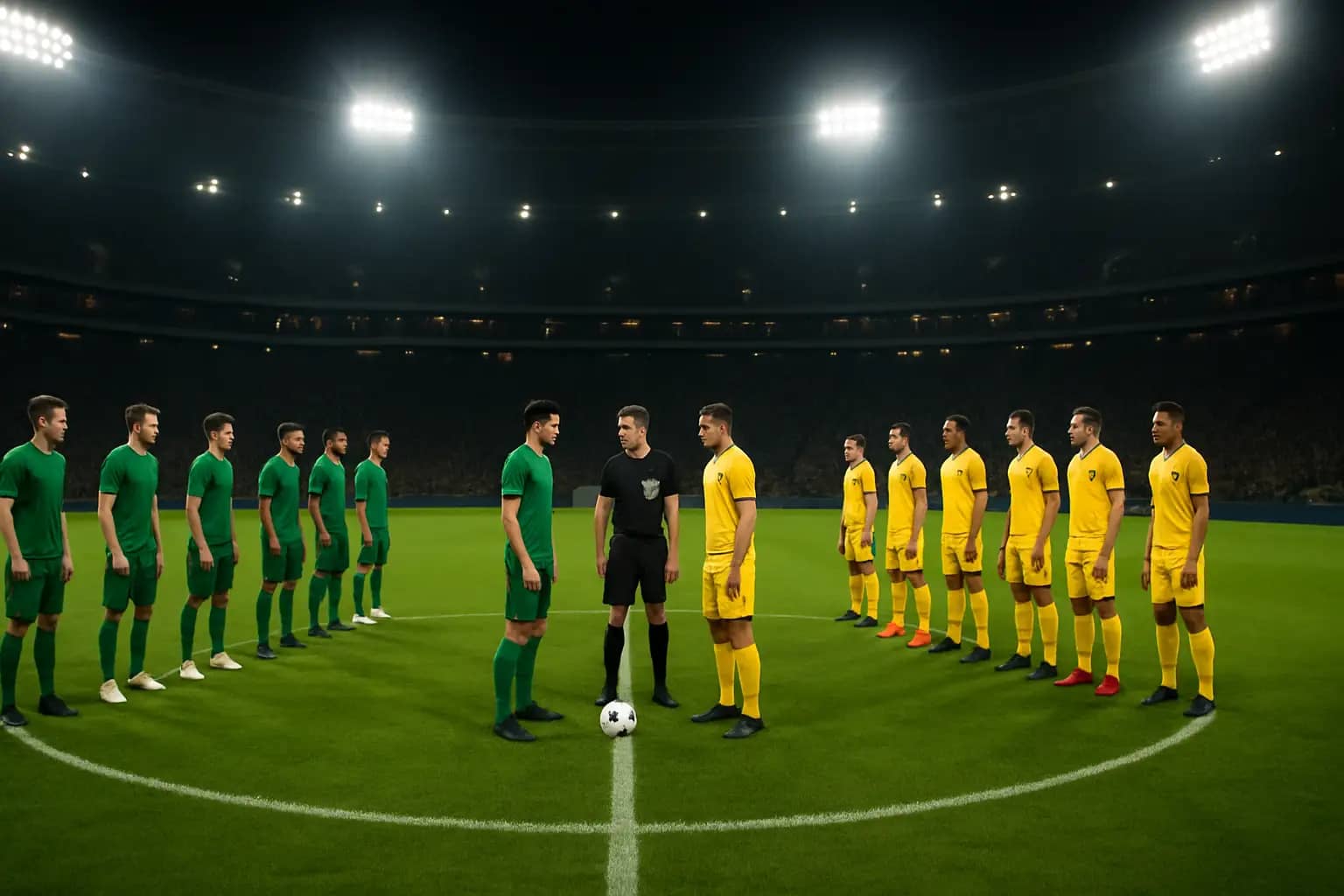
Netherlands' World Cup Exit Triggers Identity Crisis for Total Football Nation
The Netherlands' elimination from the World Cup has reignited a deep national debate about football identity in the birthplace of Total Football, according to reporting by The New York Times.
A Nation Built on a Football Philosophy
The Netherlands' World Cup exit has done more than end a tournament run. It has reopened a question Dutch football has struggled with for decades: what does it mean to play like the Netherlands?
The country that gave the world Total Football, the fluid, positional system pioneered at Ajax and made famous by the national team in the 1970s, finds itself uncertain about its football identity after another early departure from a major tournament. The New York Times reported that the elimination has sparked something resembling a national identity crisis, not just among fans, but within the broader football culture of a country that has long defined itself by a particular style of play.
Total Football, the idea that every outfield player should be capable of taking any position on the pitch, was never just a tactic. In the Netherlands, it became something closer to a philosophy of life. It was tied to ideas about creativity, freedom, and collective responsibility. When the national team plays in a way that feels disconnected from that legacy, Dutch football culture tends to react badly.
What Went Wrong This Time
The specifics of the Netherlands' exit reflect a tension that has been building for years. The squad contains technically gifted players, yet critics have argued the team's approach has leaned increasingly pragmatic, prioritizing defensive stability over the attacking expression that made Dutch football famous.
That pragmatism may win matches in the short term, but it sits uneasily with a footballing public that still measures success against the standards set by Johan Cruyff and the teams of the 1970s and 1980s. Those sides never won a World Cup, yet they are remembered as some of the most influential in the history of the sport.
The gap between that romantic ideal and the reality of modern tournament football is precisely where the current crisis lives. Coaches face pressure to win, and winning in knockout football often demands caution. But in the Netherlands, caution has rarely been celebrated, even when it works.
An Identity Bigger Than Results
What makes this particular crisis worth paying attention to is that it goes beyond the usual post-tournament criticism any eliminated nation produces. Dutch football has institutional structures, academies, coaching philosophies, and a media culture all shaped by the Total Football legacy. When the national team appears to drift from that, the conversation quickly becomes about who the Dutch are as a football nation, not just whether the manager got the tactics right.
The Netherlands has produced some of the most influential clubs and coaches in European football history. Ajax's academy model has been copied across the continent. Dutch coaches have managed top clubs in England, Spain, Germany, and Italy. The country punches far above its weight in terms of global football influence.
That influence makes the expectation even harder to escape. A small nation of roughly 18 million people cannot realistically be expected to win every major tournament, yet the internal standard is set not by population or resources but by the ghost of a playing style that changed the sport.
Where Dutch Football Goes From Here
The post-tournament period will likely bring familiar debates inside Dutch football. Questions about the direction of the national team setup, the balance between developing technically complete players and building a competitive senior squad, and whether the coaching staff shares the values the country associates with its football tradition will all surface.
Those debates are healthy, even if they are painful. The Netherlands has been here before and has repeatedly found ways to produce new generations of technically outstanding players. The academies at Ajax and other Dutch clubs continue to emphasize the principles that made the country famous.
But the gap between what Dutch football produces at youth level and what the national team has delivered in major tournaments in recent years remains a source of frustration. The World Cup exit, as reported by The New York Times, has simply made that frustration louder and harder to ignore.
The country that invented a way of playing football that the rest of the world spent fifty years trying to imitate is still searching for a way to turn that philosophy into a trophy. Whether this latest exit accelerates that search or simply adds to the weight of unfulfilled expectation remains to be seen.

Football Correspondent
Alex covers football and the global game with fast, sharp analysis.