
How the Nazis Erased Jewish Contributions to Football History
A Jerusalem Post report examines how Nazi persecution systematically wiped Jewish players, coaches, and clubs from the recorded history of the sport.
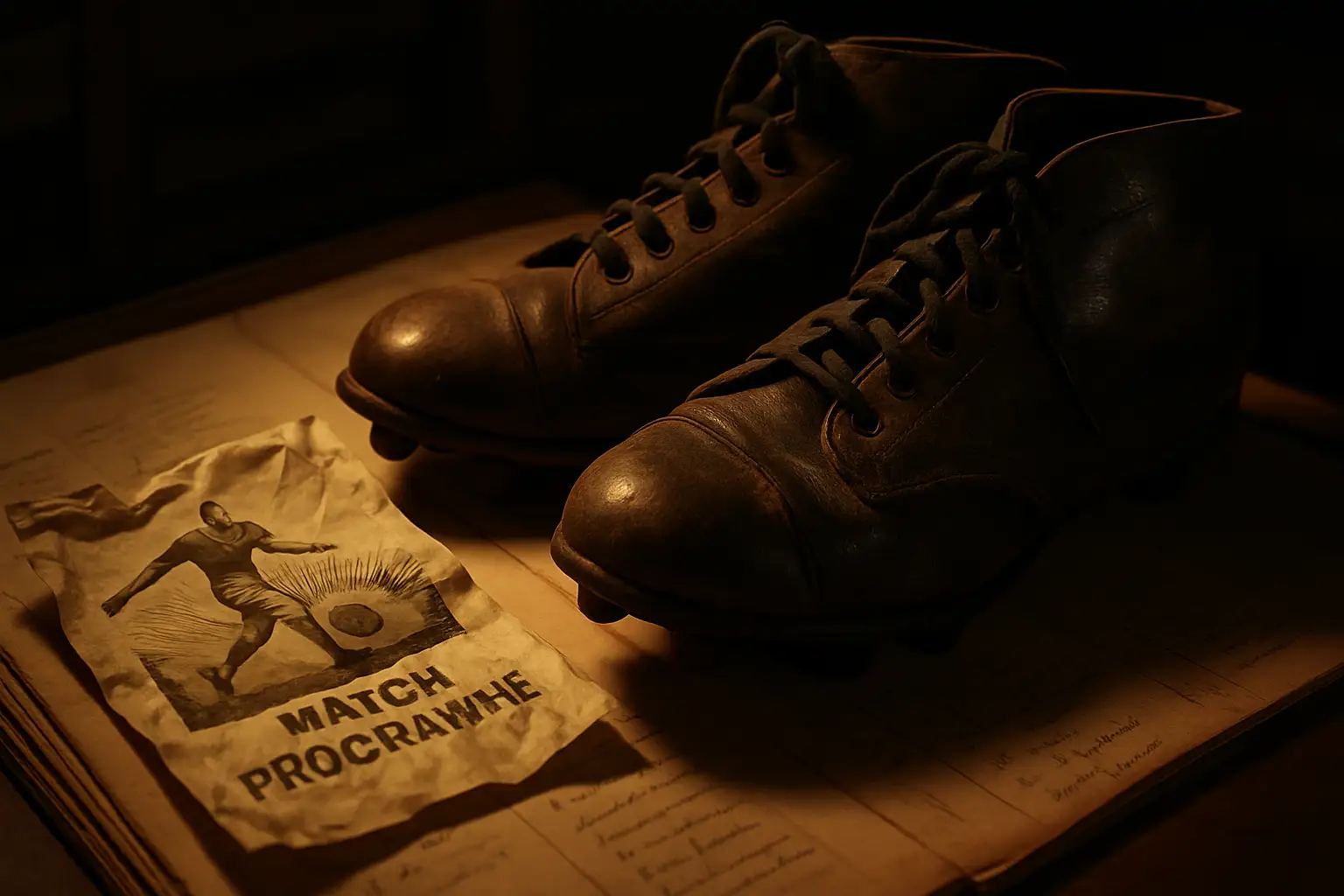


Jewish Contributions to Football Were Deliberately Buried
The Nazis did not only persecute Jewish people physically. They worked to erase them from cultural memory, and football was no exception. According to reporting by the Jerusalem Post, the story of Jewish contributions to football history is one that was deliberately suppressed during the Nazi era and has taken decades of painstaking research to begin recovering.
Before the rise of Adolf Hitler and the Nazi party in Germany, Jewish players, coaches, administrators, and club founders were deeply embedded in European football. They helped build the sport from its early organized form into a mass spectacle. That record was then systematically dismantled through exclusion, propaganda, forced deportations, and murder.
The scope of what was lost is difficult to overstate. Entire club histories were rewritten. Names were removed from trophy rolls and record books. Jewish footballers who had represented national teams were quietly deleted from official statistics, as though they had never played.
Clubs, Coaches, and Players Targeted Across Europe
The Nazi campaign against Jewish participation in football operated at every level of the game. Jewish-owned and Jewish-founded clubs were either dissolved or forcibly transferred to non-Jewish ownership. Players who had worn national colors were stripped of their caps and their place in the record books.
In Germany, the process accelerated quickly after 1933. Jewish athletes were banned from sports clubs under the same racial laws that excluded Jewish people from public life more broadly. The impact was immediate and devastating for communities where football had been a point of pride and social connection.
The reach extended well beyond Germany as Nazi occupation spread across Europe. In the Netherlands, France, Austria, and elsewhere, Jewish club officials and players faced the same erasure. Some fled into exile. Many were deported to concentration camps, where they were killed.
Coaches who had pioneered tactical approaches, and administrators who had helped establish league structures, lost not only their lives in many cases, but also their place in the sport's official narrative.
Recovering What Was Lost
Historians and researchers have spent years trying to reconstruct what was erased. Football federations in several countries have begun formal processes to restore the names of Jewish players to historical records. Some national associations have acknowledged that their own wartime conduct contributed to the erasure, and have issued formal apologies or recognition.
The work is difficult. Many records were destroyed deliberately. Others simply decayed or were never maintained once Jewish communities were obliterated. Survivor testimony, newspaper archives, and private family documents have all become crucial tools for piecing together careers and club histories that might otherwise remain permanently lost.
Memorial projects have placed plaques at former club grounds and created digital archives to document Jewish footballers. Several documentaries and books have brought individual stories back into public view, restoring the names and careers of men who had been written out of the game.
The Jerusalem Post's reporting highlights that this recovery effort is far from complete. The full extent of what was stolen, in terms of careers, clubs, records, and human lives, may never be fully known.
Why This History Still Matters
For football, acknowledging this history carries real weight. The sport has spent recent years confronting racism and antisemitism among supporters and within institutions. Understanding that antisemitism was once powerful enough to rewrite the game's own past gives that contemporary fight a sharper context.
Several European clubs with Jewish origins or strong historical Jewish connections have worked to reclaim and celebrate that heritage openly. Supporters groups have pushed clubs to be more transparent about their own histories during the Nazi period, including whether club leaders collaborated with authorities or protected Jewish members.
The story the Nazis tried to bury is slowly being told again. Researchers, journalists, and football federations are working to ensure that the Jewish men and women who helped build the sport are not permanently forgotten. The Jerusalem Post's report is part of that broader effort to bring these contributions back into the light where they belong.


Football Correspondent
Alex covers football and the global game with fast, sharp analysis.