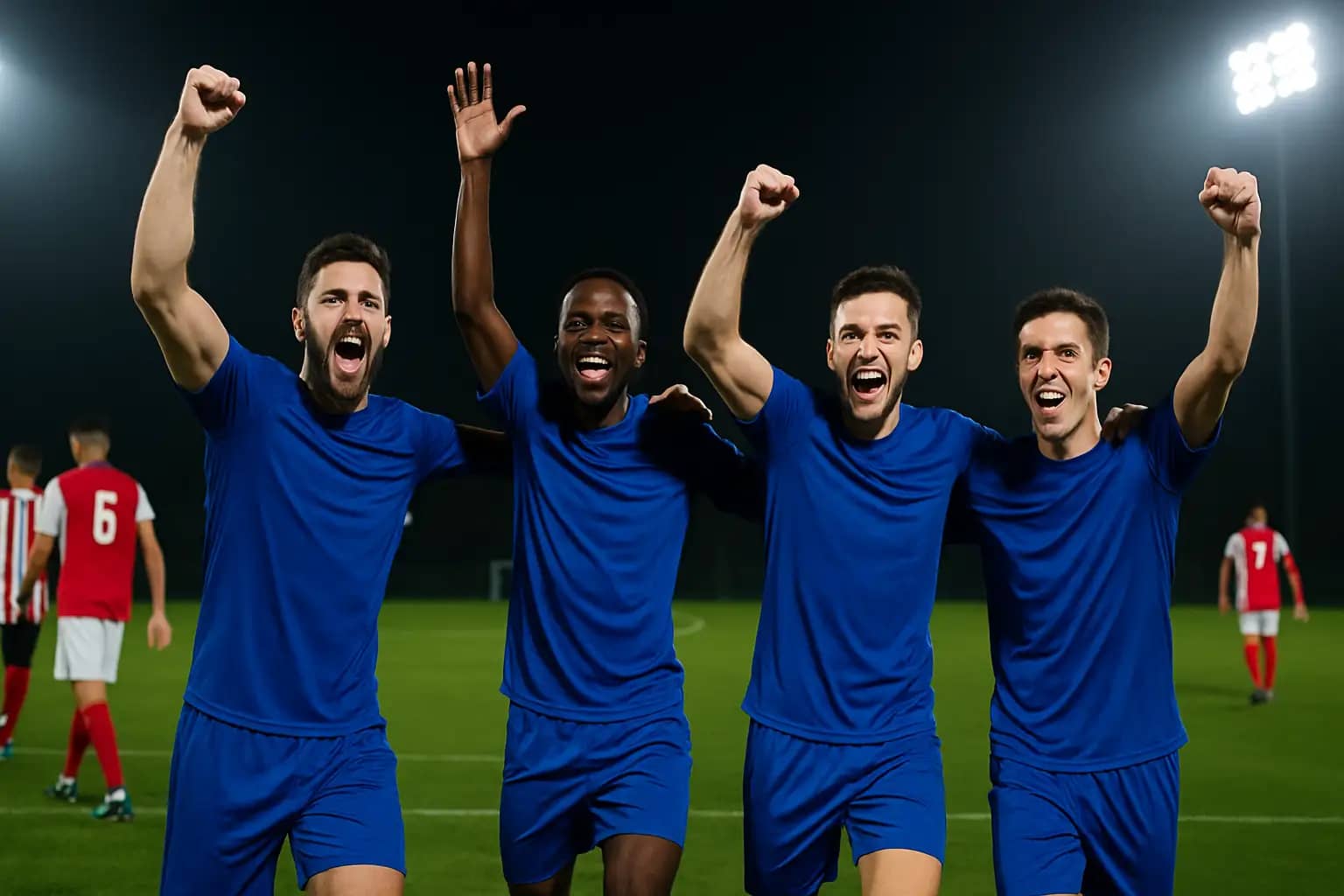
Leboeuf Slams Paraguay's Style Against France: 'Everything I Hate'
Former France defender Frank Leboeuf did not hold back after Paraguay's match against France, calling their approach everything he despises about the game.
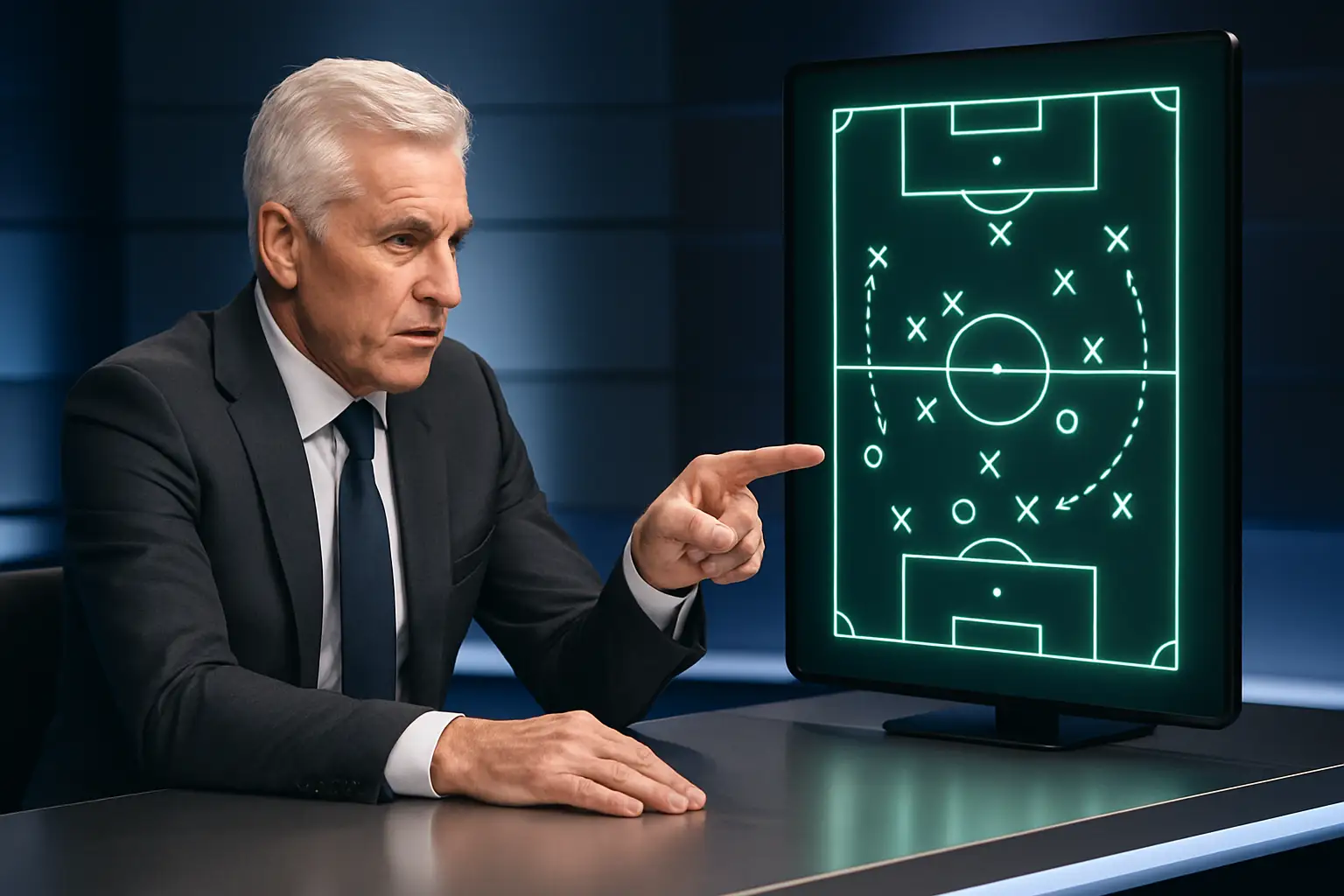


Leboeuf Pulls No Punches on Paraguay's Approach
Former World Cup winner Frank Leboeuf had a sharp reaction to Paraguay's performance against France, telling ESPN the South American side played a brand of football he simply cannot stand. The ex-Chelsea and France defender was blunt in his criticism, describing Paraguay's style as the embodiment of what he finds most frustrating about the modern game.
Leboeuf did not mince words. According to ESPN's coverage, he said Paraguay represented everything he hates about football during the match against France. The comment drew attention given Leboeuf's status as a 1998 World Cup champion with Les Bleus and one of the more outspoken analysts in football media.
While the specific tactical details Leboeuf outlined were reported by ESPN, the core of his argument was clear: Paraguay's approach prioritized disruption over creativity, frustrating opponents rather than engaging them in open competition. For a former defender who nonetheless values attacking, constructive football, that kind of performance is a red flag.
What Leboeuf's Criticism Really Means
Leboeuf has built a post-playing career on honest, sometimes provocative commentary. His criticism of Paraguay is consistent with a broader debate in international football about how smaller nations should approach games against elite European sides.
Some coaches argue that a defensive, physical, and combative style is a rational equalizer against technically superior opponents. Others, including many former players like Leboeuf, believe it drains the spectacle and teaches the wrong habits to younger generations of players.
Paraguay, a nation with genuine footballing history and talent, has at times leaned into physical, hard-working tactics as a way to stay competitive on the international stage. Against a France side loaded with world-class talent, the temptation to shut up shop and make life difficult is understandable from a coaching standpoint.
But Leboeuf, speaking on ESPN, clearly had little sympathy for that logic. His reaction suggests the match was a difficult watch, regardless of the result.
France and the Pressure of Expectation
For France, matches like this carry their own tension. Didier Deschamps' side is consistently ranked among the favorites in any major tournament, and games against physically aggressive opponents can expose weaknesses in rhythm and patience.
When a team like Paraguay sets up to be difficult rather than dangerous, it can frustrate even the most gifted squads. France's ability to break down compact, defensive-minded opponents has been a recurring topic among analysts. Leboeuf's comments add another layer to that conversation, shifting some of the focus onto how Paraguay chose to compete rather than how France performed.
That framing matters. It is easy to criticize a giant for struggling against a defensive wall. Leboeuf instead directed his frustration at the team building that wall, which is a less common and more pointed take.
Leboeuf's Voice Carries Weight in This Debate
Not every pundit's opinion lands with the same force, but Leboeuf's does in this context. He won the World Cup on French soil in 1998 and played at the highest level in both Ligue 1 and the Premier League. He knows what elite international football looks and feels like from the inside.
His willingness to publicly call out a style of play, rather than deflecting into diplomatic non-answers, is part of what makes him a compelling analyst for ESPN's football coverage. Whether viewers agree or not, his position is clear: football played without ambition or creative intent is not football worth celebrating.
Paraguay's camp would likely push back, arguing that competitive pragmatism is a legitimate strategy and that surviving against France requires sacrifice. That counter-argument has merit. But Leboeuf's broader point, that football loses something essential when teams prioritize obstruction over competition, is one that resonates with fans who pay to see the game at its best.
The ESPN segment has sparked discussion online, with supporters on both sides of the debate weighing in on whether Leboeuf's criticism is fair or too harsh on a side simply trying to compete against one of Europe's strongest nations.


Football Correspondent
Alex covers football and the global game with fast, sharp analysis.