Didier Deschamps Leaves France Manager Role: Career in Review
Didier Deschamps is departing as France national team manager, closing a defining chapter in French football history. Here is a look at his career.
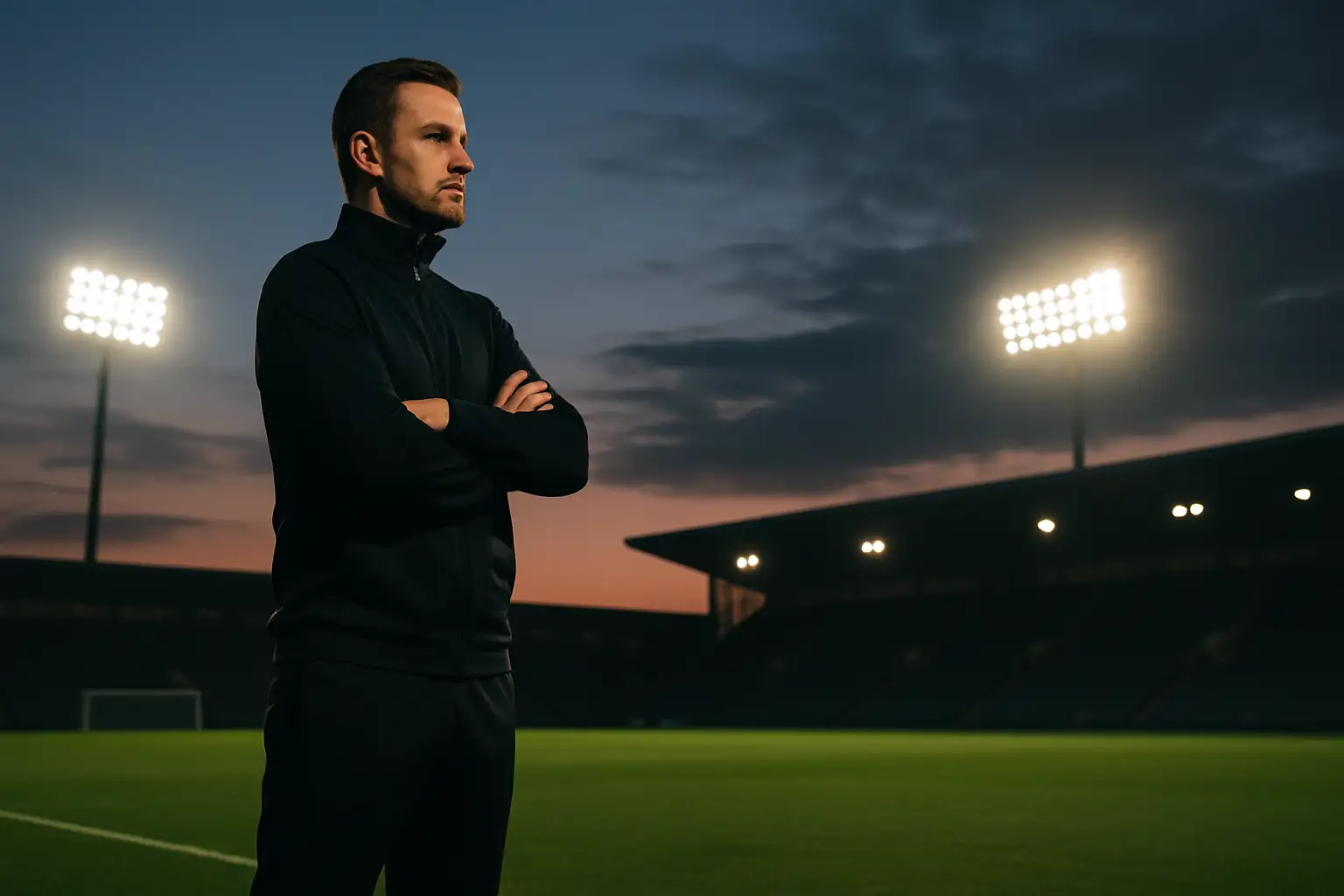


Didier Deschamps Steps Down as France Boss
Didier Deschamps is leaving his post as manager of the France national football team, marking the end of one of the most successful coaching tenures in the country's history. The news was confirmed by reports including coverage by The Star, drawing attention from football fans across the globe.
Deschamps took charge of the French national side in July 2012, succeeding Laurent Blanc. What followed was more than a decade of sustained success at the highest level of international football. He became the longest-serving manager of the France team in the modern era, guiding Les Bleus through four major tournaments and reshaping the squad around a golden generation of talent.
Before stepping into management, Deschamps built an exceptional playing career. He captained France to their historic 1998 World Cup triumph on home soil, lifting the trophy as skipper at the Stade de France. That same generation went on to win Euro 2000, cementing their place among the great international sides. As a midfielder, he also won the UEFA Champions League with Marseille in 1993 and again with Juventus, where he spent several successful years in Serie A.
A World Cup Winner as Player and Coach
What sets Deschamps apart is a distinction very few in football history can claim. He won the World Cup both as a player, in 1998, and as the head coach, when France defeated Croatia 4-2 in the final of the 2018 World Cup in Russia. That win placed him alongside Brazil's Mario Zagallo and Germany's Franz Beckenbauer as the only men to achieve that feat.
His 2018 squad was widely considered one of the most talented France sides ever assembled, featuring players such as Kylian Mbappe, Antoine Griezmann, and N'Golo Kante. Deschamps drew criticism from some for his cautious tactical approach, but results consistently justified his methods.
France also reached the final of Euro 2016, losing to Portugal on home soil in extra time, and advanced to the final of the 2022 World Cup in Qatar, where they fell to Argentina in a penalty shootout after a dramatic 3-3 draw. Deschamps kept the team competitive across every cycle.
His Coaching Record Before the National Team
Deschamps did not arrive at the France job without prior credentials. He managed Juventus between 2006 and 2007, then took charge of Marseille from 2009 to 2012, winning the Ligue 1 title with the club in the 2009-10 season. His work at club level earned him recognition as a coach capable of handling big squads and high expectations.
His tenure with France spanned more than 150 matches. The consistency he maintained through different squads, qualifying campaigns, and tournament pressures is difficult to overstate. Few managers anywhere in world football have held a top national team post for so long while remaining competitive at every major competition.
With Deschamps now departing, French football faces a significant transition. The federation will need to identify a successor capable of working with the next generation of talent, including Mbappe, who has become one of the best players in the world during Deschamps' tenure. The outgoing manager leaves behind a program that is well-resourced, deeply scouted, and accustomed to competing for trophies.
His record stands on its own. One World Cup as a player. One World Cup as a coach. A Euro final. Two World Cup finals as manager. Those numbers tell the story clearly enough.


Football Correspondent
Alex covers football and the global game with fast, sharp analysis.