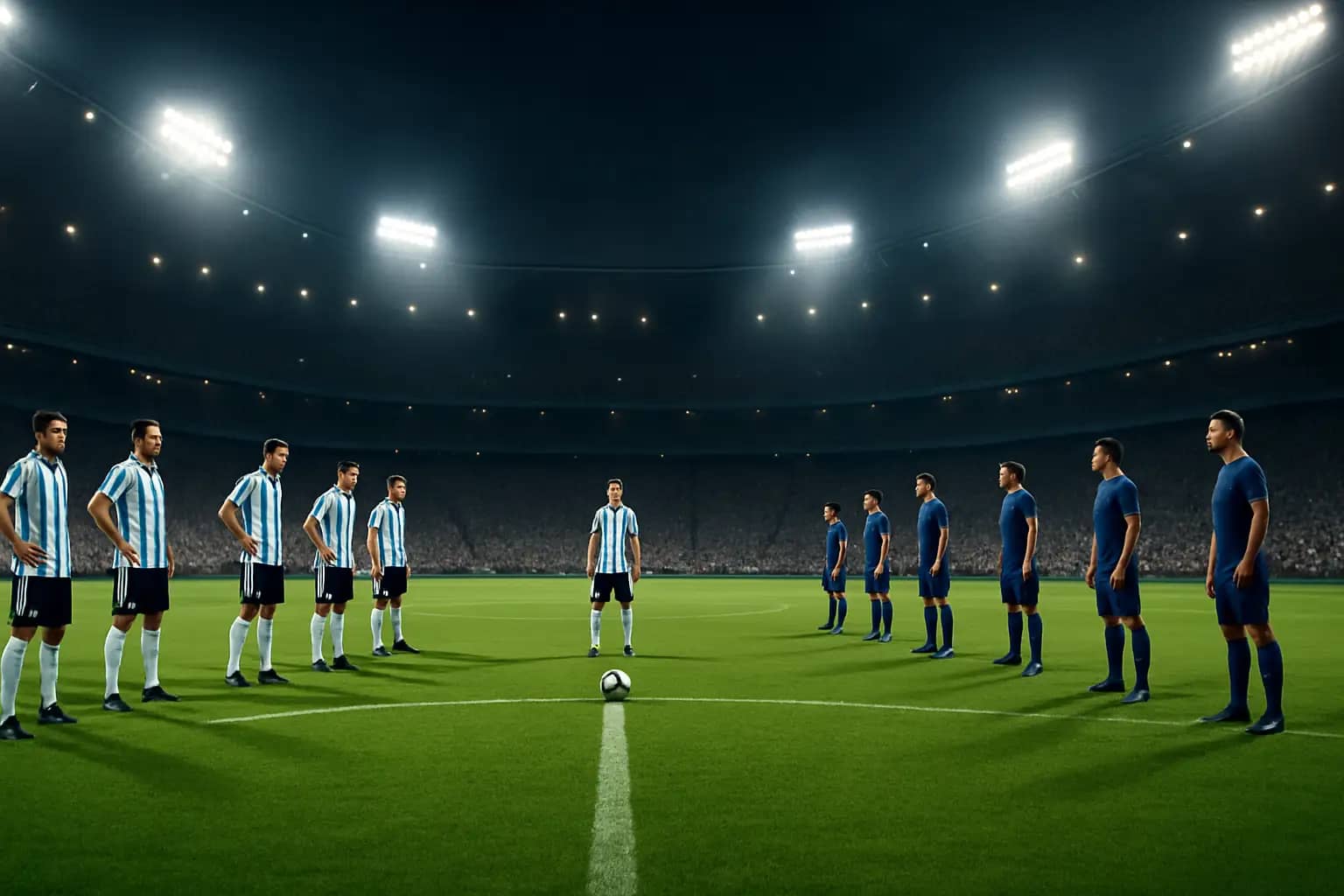
2026 FIFA World Cup: Will Soccer Finally Prove It's the World's Biggest Sport?
The 2026 FIFA World Cup is set to span the United States, Canada, and Mexico. Can it settle the debate over whether soccer truly dominates global sport?


The Question Heading Into 2026
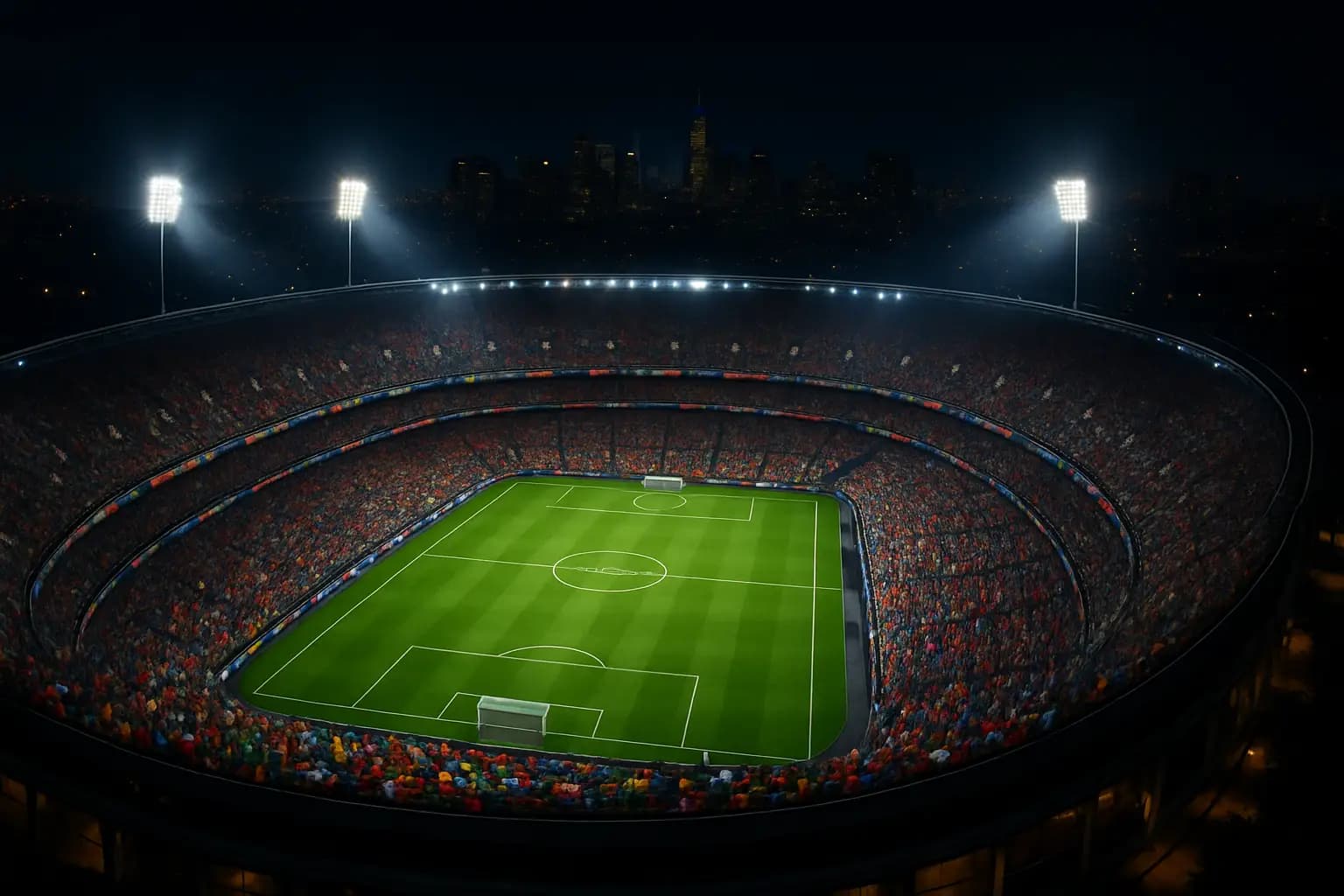
The 2026 FIFA World Cup is shaping up to be unlike any tournament in the competition's history. Spread across three host nations, the United States, Canada, and Mexico, the expanded 48-team event will push soccer into some of the largest sports markets on the planet. For years, advocates have argued that soccer is the world's biggest sport by participation and global viewership. The 2026 edition may be the strongest case yet.
The debate is not new. Soccer's global reach is well-documented. FIFA counts more than 200 member associations, a figure that outpaces most international sports bodies. Billions of people follow the sport across Europe, South America, Africa, and Asia. But one market has remained stubbornly resistant: the United States, where American football, basketball, and baseball command massive audiences and enormous commercial power.
Hosting the World Cup on American soil, for the first time since 1994, puts soccer directly in front of that audience again. This time, the league landscape is different. Major League Soccer has grown considerably over the past three decades, and interest in European club football among American fans has risen sharply. Whether that translates into World Cup fever on the scale organizers are hoping for is the central question.
What Makes 2026 Different
Scale is the most obvious factor. The expanded format means 104 matches instead of the 64 played at recent tournaments. More games spread across more cities means more tickets sold, more local economic activity, and more broadcast hours to fill. FIFA and its broadcast partners are banking on that volume to generate record revenue and viewership.
The host country factor matters too. When the United States hosted in 1994, the tournament set attendance records that held for years. Soccer infrastructure and fan culture in North America have only grown since then. Canada will host matches for the first time at a men's World Cup, giving the tournament a foothold in another major English-speaking market.
Mexico, a country with deep soccer tradition and two previous World Cup hosting stints in 1970 and 1986, adds a passionate fan base that needs no convincing. The tri-nation setup creates a uniquely broad stage.
Broadcast deals and streaming rights will also be closely watched. Rights holders in the United States have paid significantly more for the 2026 tournament than for previous editions, reflecting their confidence in the product's commercial appeal. If television ratings and streaming numbers meet expectations, the argument that soccer has arrived as a true mainstream sport in North America becomes much harder to dismiss.
The Case For and Against
Supporting the case for soccer's global supremacy is straightforward in terms of raw numbers. No other single sporting event consistently draws the viewership figures that the FIFA World Cup final produces. The 2022 final in Qatar pulled in an audience estimated in the hundreds of millions worldwide. That kind of reach is something no other sport or league can match.
The counterargument centers on depth rather than peaks. Critics point out that soccer's dominance in viewership is concentrated in specific regions and that the sport's commercial infrastructure, particularly in North America, still lags behind domestic leagues in revenue per fan and media rights values. The NFL, for example, commands broadcast deals that dwarf what any soccer property generates in the United States market alone.
There is also the question of what "biggest" actually means. Participation numbers, global broadcast reach, social media following, merchandise sales, and live attendance all tell slightly different stories. Soccer leads in most of those categories globally, but the margins vary depending on the metric.
What to Watch
The 2026 FIFA World Cup will run across the United States, Canada, and Mexico with matches beginning in the summer of 2026. Stadiums selected as venues include some of the largest in North America, capable of hosting enormous crowds.
Attendance figures, television ratings in the United States, and digital engagement metrics will all be scrutinized once the tournament concludes. If the numbers come in at the high end of projections, they will strengthen the argument that soccer has not just global reach but genuine commercial dominance.
If they fall short, the debate continues. Either way, 2026 represents the best opportunity in a generation for soccer to make its case on North American terms, in front of an audience that has historically kept the sport at arm's length. The tournament will not answer every question about where soccer sits in the global sports hierarchy, but it will add significant evidence to the conversation.


Football Correspondent
Alex covers football and the global game with fast, sharp analysis.