Barcelona Studies Tour de France 2026 Impact on Sports Industry
Barcelona's city government is examining how hosting the Tour de France 2026 could reshape the local and regional sports industry, according to the Ajuntament de Barcelona.
Barcelona Puts Tour de France 2026 Under the Economic Microscope
Barcelona is taking a close look at what the Tour de France 2026 could mean for the sports industry, with the Ajuntament de Barcelona leading an analysis of the event's potential economic and commercial ripple effects. The study reflects how seriously city officials are treating the race as more than a cycling spectacle - it is being assessed as a major driver for sport-related business activity across the region.
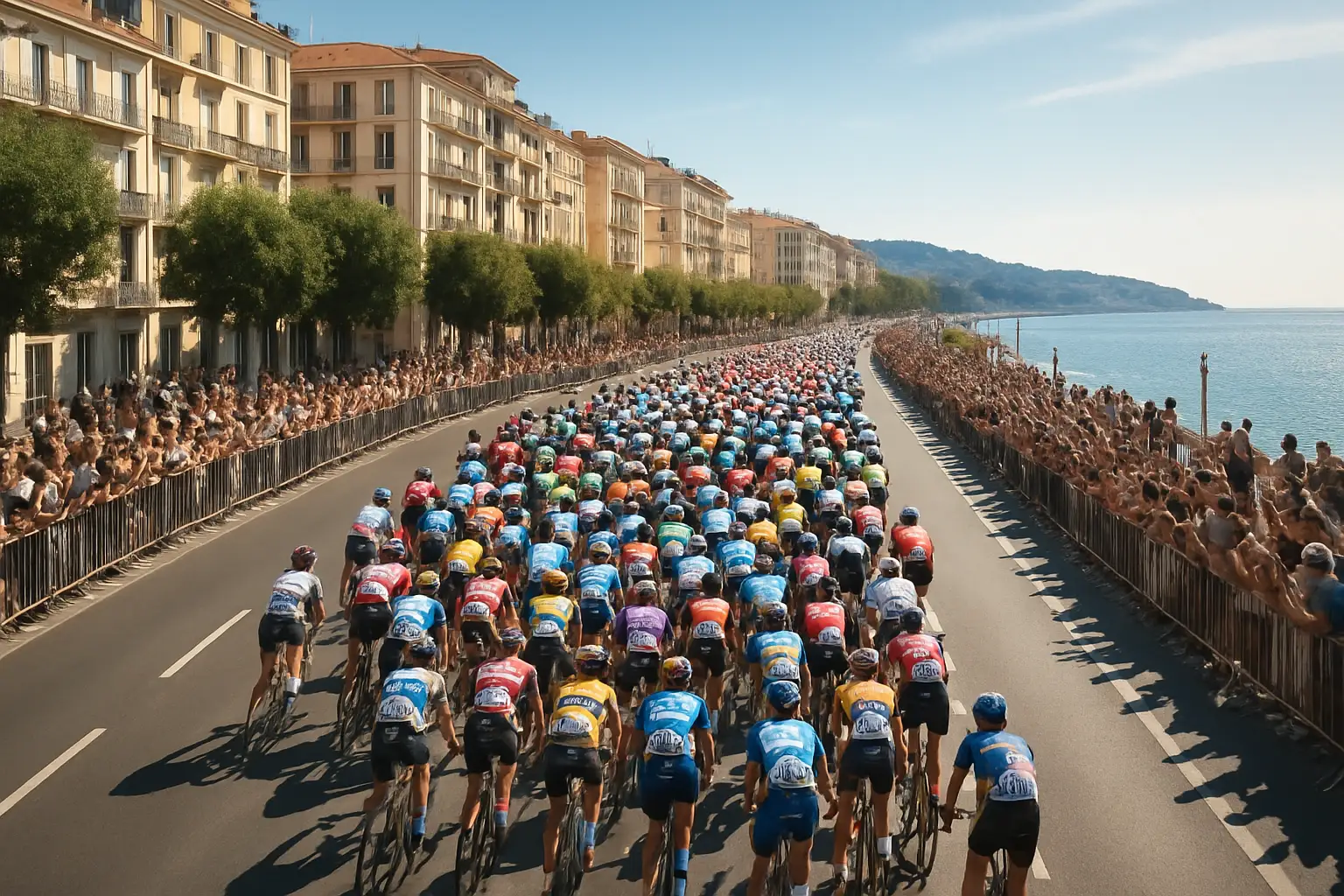
The Tour de France is one of the most-watched annual sporting events on the planet, drawing global television audiences and attracting sponsors, tourism operators, and media organizations on a scale few events can match. Having stages connected to Barcelona in 2026 would put the city directly in that international spotlight.
What the Analysis Covers
The Ajuntament de Barcelona's review focuses on understanding how the race could stimulate different sectors of the sports industry. This includes hospitality, sports retail, event logistics, broadcasting, and the broader ecosystem of businesses that activate around major international competitions.
City officials are also looking at how the exposure generated by Tour de France coverage - broadcast across dozens of countries - could benefit Barcelona's long-term profile as a destination for top-tier sporting events. That kind of sustained television presence, often showing aerial and street-level footage of host cities, carries significant promotional value that goes well beyond a single race weekend.
The analysis also appears to consider the infrastructure implications. Large cycling events require coordination across transport, public safety, and municipal services, and understanding those costs alongside the projected economic returns is central to any serious impact assessment.
Why This Matters for the Sports Industry
For businesses operating within the sports sector, the arrival of a race like the Tour de France is rarely a simple transaction. It tends to create layered opportunities - short-term revenue from race operations and visitor spending, and longer-term gains from brand association and increased investment interest in the host region.
Barcelona already has a strong foundation as a European sports hub, with a history of hosting major football, basketball, tennis, and motorsport events. Adding a prominent Tour de France connection in 2026 would extend that reputation into professional road cycling, a sport with a passionate and growing global fanbase.
For cycling-adjacent industries - bike manufacturers, sports apparel brands, fitness technology companies - proximity to the Tour de France carries genuine commercial weight. The race is a showcase for equipment and innovation, and host cities often see increased engagement from those industry players.
Barcelona's Broader Sports Strategy
The Ajuntament's decision to formally study the Tour de France 2026's impact fits into a wider pattern of Barcelona treating major sporting events as instruments of urban and economic policy. Rather than simply hosting events and hoping for the best, the city has shown a consistent interest in measuring outcomes and planning for maximum benefit.
That approach is likely to shape how Barcelona positions itself in negotiations and planning discussions around the 2026 race. Understanding the numbers in advance gives city officials a clearer basis for decisions about public investment, partnership structures, and the allocation of municipal resources.
The findings of the analysis, once complete, could also serve as a reference point for other cities examining what it means to host a stage of the world's most famous cycling race.

Football Correspondent
Alex covers football and the global game with fast, sharp analysis.