How AI Is Transforming the Esports Broadcast Booth
Artificial intelligence is reshaping how esports events are produced and broadcast, changing the roles of commentators, analysts, and production crews industry-wide.
AI Moves Into Esports Broadcasting
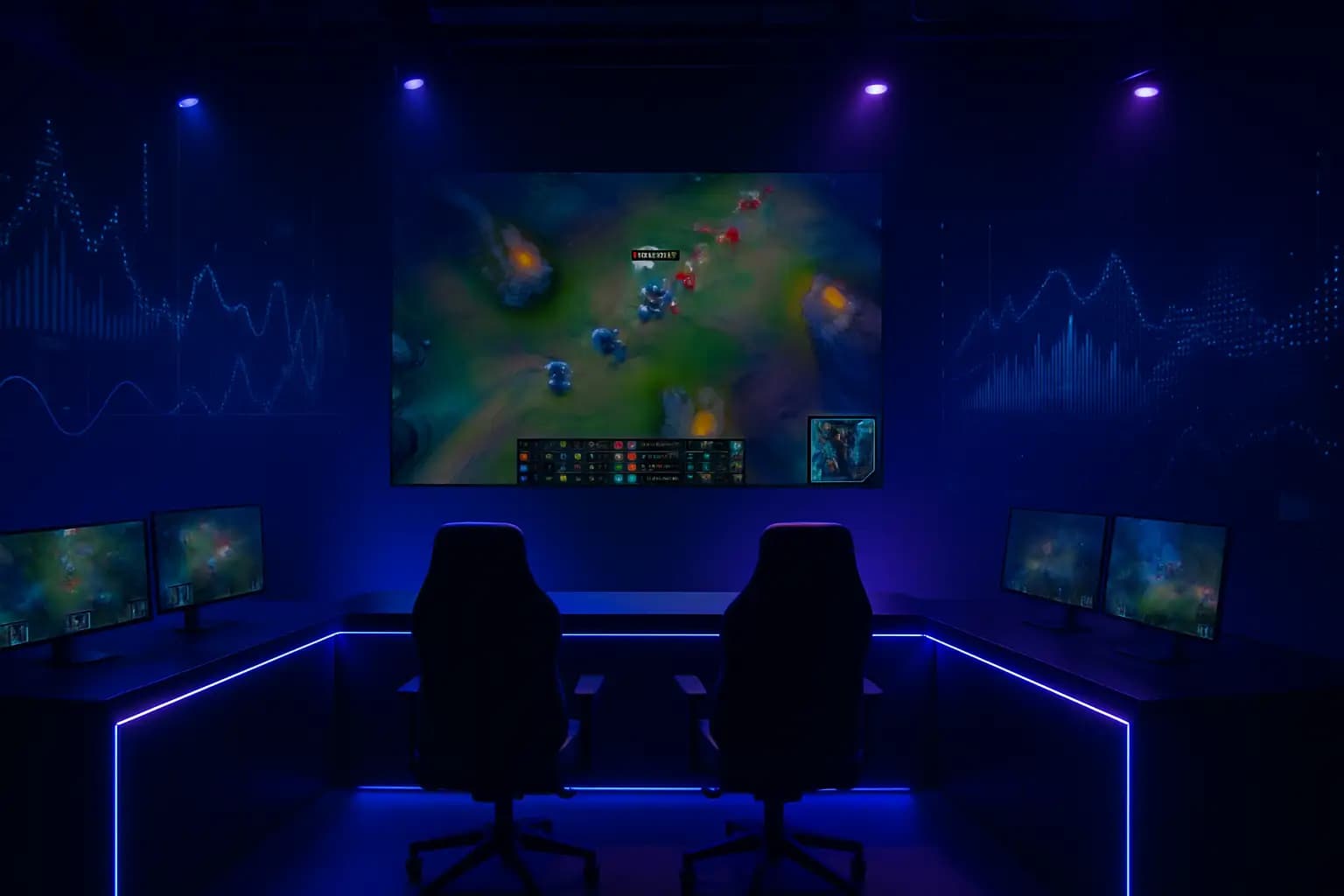
Artificial intelligence is no longer a background tool in esports. According to reporting from Gameindustry.com, AI is actively reshaping what happens inside the broadcast booth, altering how live esports events are narrated, analyzed, and delivered to audiences around the world.
The shift is notable because esports broadcasting has always leaned on human energy. Casters bring personality, humor, and split-second reactions to matches that can change in milliseconds. Producers and analysts spend hours preparing stats and storylines. Now, AI systems are beginning to handle parts of that workflow, and the industry is paying close attention.
The core appeal for broadcasters is efficiency. AI can process match data in real time, generate on-screen graphics, and in some cases produce automated commentary for lower-tier events that would otherwise go without coverage. For smaller tournaments and regional leagues that lack the budget for full production teams, that capability is significant.
What Changes for Human Broadcasters
The more pressing question is what this means for the people who currently fill those roles. Professional casters have built careers on the ability to read a game, keep an audience engaged, and react to unexpected moments. Those skills are difficult to replicate. But the entry-level and mid-tier segments of the market, where broadcasters often get their start, are the areas most exposed to automation.
AI-generated commentary and analysis tools are already being tested across parts of the industry. These systems can pull live statistics, identify key moments in a match, and narrate action with increasing fluency. The output is not yet at the level of an experienced human caster, but it is improving, and it can run continuously without fatigue or the cost of a human team.
Production companies are also using AI to cut editing time, auto-generate highlight reels, and localize content into multiple languages faster than traditional methods allow. For global esports titles with fans across dozens of countries, that localization speed matters.
The Broader Impact on Esports Production
Beyond the broadcast booth itself, AI is influencing how esports content is packaged and distributed. Automated systems can tag footage, build clip libraries, and push personalized content to viewers based on their preferences. That kind of infrastructure, once available only to the largest broadcasters, is becoming more accessible.
Publishers and tournament organizers are watching these developments carefully. Expanding coverage without proportionally expanding costs is an obvious draw. A regional qualifier that previously had no live broadcast could, with AI assistance, have some form of live production, reaching fans who would otherwise follow the event through text updates alone.
The tension, as Gameindustry.com's reporting reflects, is between that expansion of coverage and the displacement of the human roles that gave esports broadcasting its character. Audiences have shown they value authenticity. The communities built around specific casters, the memes that emerge from memorable calls, the parasocial relationships between viewers and commentators, these are hard to manufacture with an algorithm.
Whether broadcasters adapt by focusing on higher-value creative work, or whether AI tools gradually compress the market for human talent, remains an open question. What is clear is that the tools are already in use, the adoption is accelerating, and the esports broadcast booth of five years from now will look meaningfully different from today's.

Football Correspondent
Alex covers football and the global game with fast, sharp analysis.