
SEC Accuses Crypto Mining Company of Misusing $20M in Investor Funds
The SEC has charged a crypto mining company with misusing $20 million raised from investors, adding to a growing list of enforcement actions in the digital asset space.
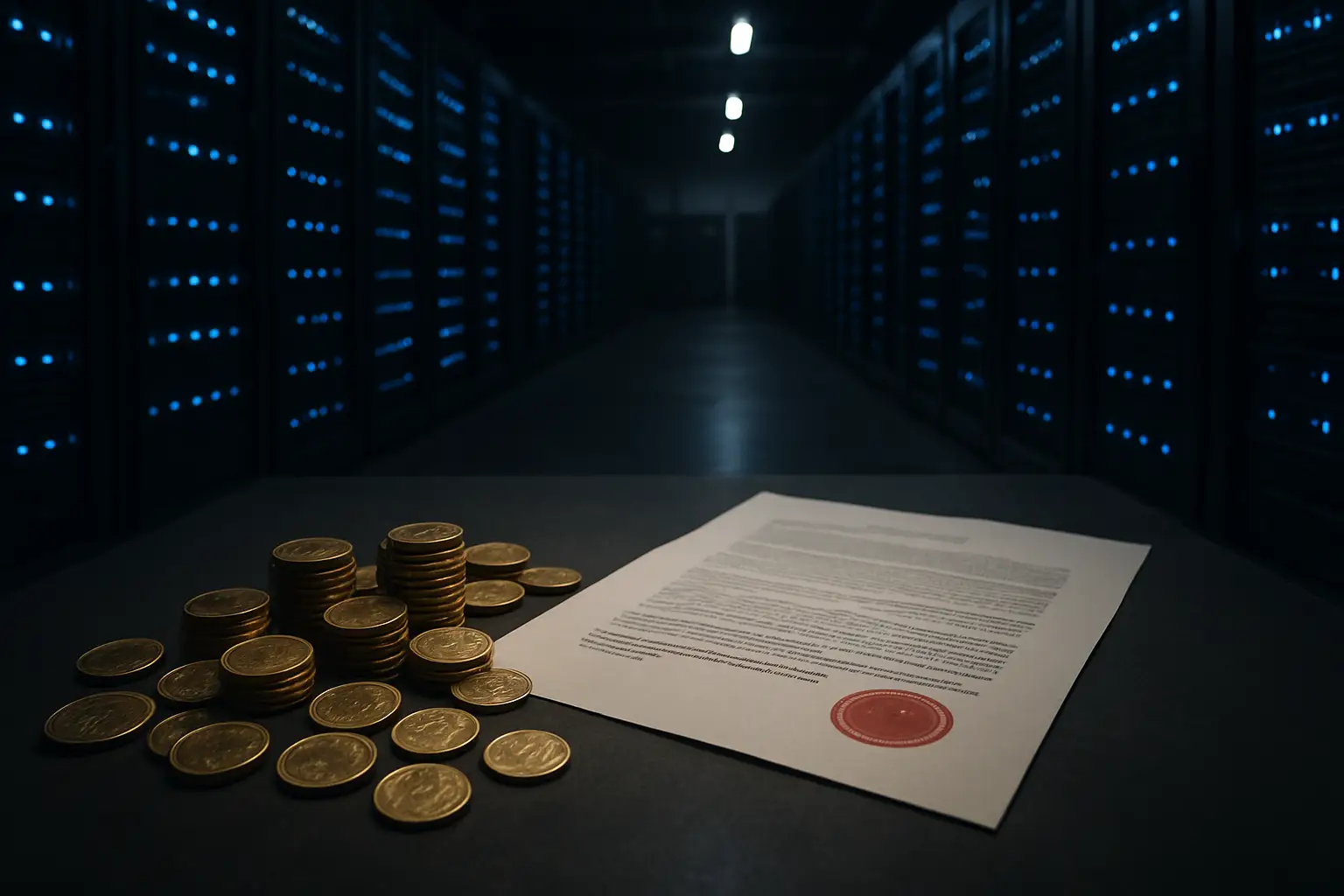


The U.S. Securities and Exchange Commission has taken action against a cryptocurrency mining company, alleging that the firm misused approximately $20 million collected from investors, according to a report by Law360.
The case represents another example of the SEC targeting alleged fraud within the crypto mining sector, an industry that has drawn increasing regulatory scrutiny as retail investors pour money into digital asset ventures with promises of outsized returns.
What the SEC Is Alleging
Regulators claim the crypto mining company diverted the $20 million in investor funds away from their stated purpose. When companies raise money from the public for a specific business operation, securities law generally requires that those funds be used as described to investors. Misusing or redirecting capital can expose company executives and the firm itself to civil charges and, in some cases, criminal referrals.
The SEC has not been shy about bringing enforcement cases against crypto-related businesses. Mining operations, in particular, have been a recurring target because they often raise funds from retail investors by promising returns tied to the performance of mining hardware or pooled operations.
Details on the specific individuals charged, the name of the company, and the timeline of alleged misconduct were reported by Law360. The SEC's complaint, filed in federal court, outlines how the regulator believes the company's leadership handled the money contrary to what investors were told.
A Pattern of Crypto Enforcement
The SEC under recent leadership has pushed hard into digital asset enforcement. Mining companies occupy a gray area - they sell participation in operations rather than tokens in many cases, yet the SEC has argued that many such arrangements still qualify as securities offerings under the Howey test, the legal standard used to determine whether an investment product is a security.
When a mining company raises money from outside investors who expect profits based on the work of others, that structure can meet the Howey threshold. That means offering documents, disclosures, and use of funds all fall under SEC jurisdiction.
The $20 million figure alleged here is not the largest crypto fraud case the agency has pursued, but it reflects how enforcement is reaching smaller and mid-size operators, not just the headline-grabbing collapses like FTX. Smaller companies that assumed they were flying under the radar are increasingly finding that assumption wrong.
What Investors Should Watch For
Cases like this one highlight a few warning signs that investors in crypto mining ventures should take seriously. Any company that raises capital from the public but is vague about how funds will be deployed is a red flag. Legitimate mining operations typically provide clear breakdowns of hardware costs, facility expenses, energy contracts, and expected timelines.
Investors should also check whether a company has registered its offering with the SEC or claimed an exemption. If a company cannot clearly explain its registration status, that is worth investigating before committing capital.
The SEC provides a public database called EDGAR where registered offerings can be verified. Checking that database takes minutes and can save investors from significant losses.
Regulators have also repeatedly warned that high promised returns in the mining space are often a signal of fraud. Mining profitability is tied to cryptocurrency prices, network difficulty, and energy costs, all of which fluctuate. Any company guaranteeing fixed returns regardless of those variables should raise immediate concern.
The SEC's complaint against this crypto mining company is part of a broader effort to clean up a sector that regulators argue has long operated with too little accountability. Whether the case results in disgorgement of funds, civil penalties, or other relief will depend on how the litigation proceeds in court.


Crypto & Markets Analyst
Jordan breaks down crypto markets and digital assets for everyday readers.