
Minnesota Bans Crypto Kiosks After Residents Lose $1M to Fraud
Minnesota has moved to ban crypto kiosks following reports that residents lost more than $1 million to scams tied to the machines, according to KIMT.
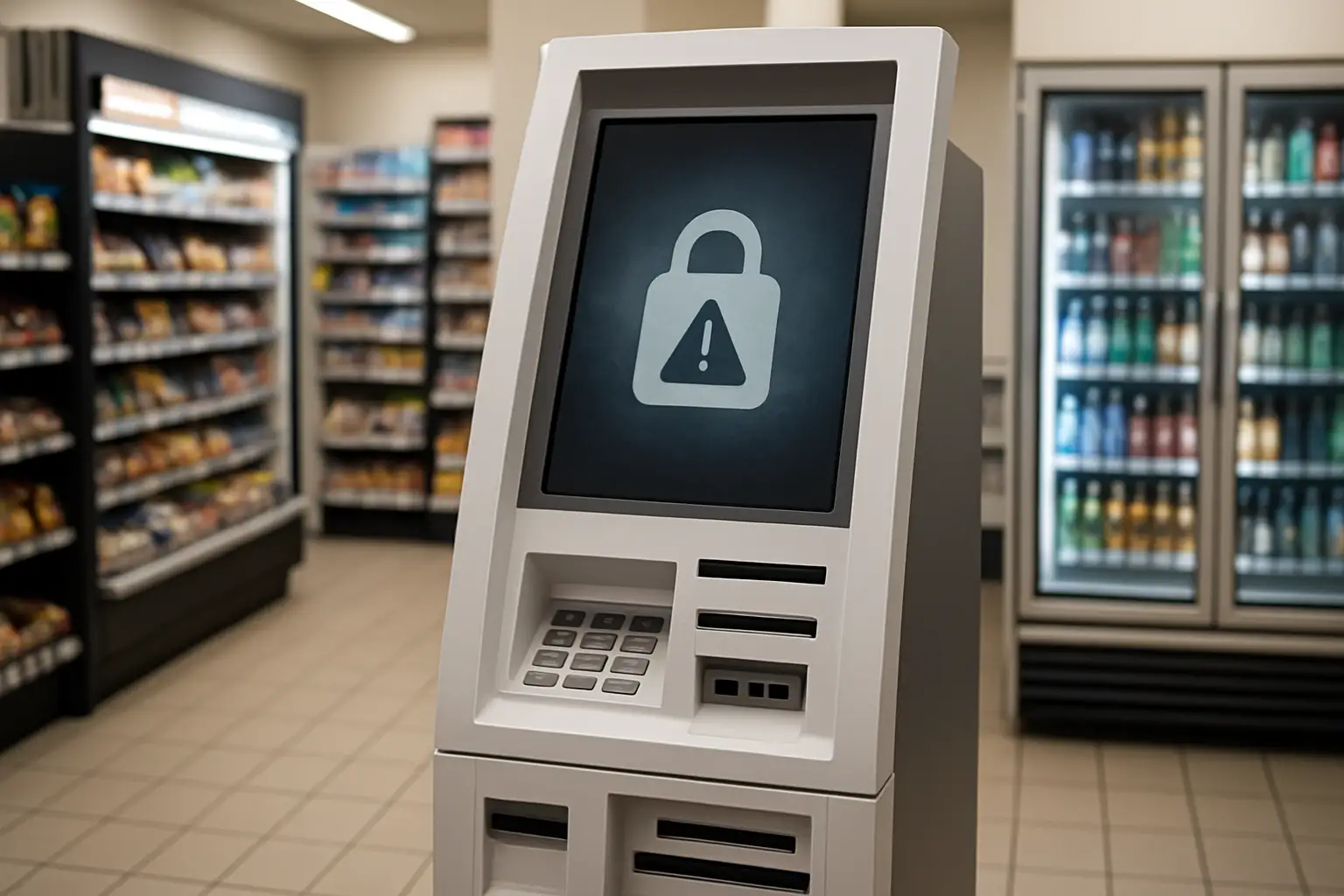


Minnesota Targets Crypto Kiosks With New Ban
Minnesota has banned crypto kiosks after residents lost more than $1 million to fraud connected to the machines, according to reporting by KIMT. The move signals a growing concern among state lawmakers that these ATM-style terminals have become a go-to tool for scammers targeting ordinary people.
Crypto kiosks work much like traditional ATMs, but instead of dispensing cash, they allow users to purchase cryptocurrency. They are often placed in convenience stores, gas stations, and other high-traffic retail locations, making them easy to access for people who may not be familiar with how digital assets work. That accessibility, critics argue, is exactly what makes them attractive to fraudsters.
Scammers typically contact victims by phone or online, impersonating government agencies, utility companies, or tech support services. They instruct targets to deposit cash into a nearby crypto kiosk as a way to resolve a supposed debt or emergency. Once the funds are converted to cryptocurrency and sent, recovery is nearly impossible.
How the Losses Piled Up
The $1 million figure represents losses reported by Minnesota residents tied directly to kiosk-based scams. Older adults have been disproportionately targeted, as they are more likely to respond to high-pressure tactics from callers claiming to represent the IRS, Social Security Administration, or a well-known tech company.
The speed of crypto transactions works against victims. Unlike a bank wire that may take hours or days and can sometimes be recalled, a crypto transfer settles in minutes. By the time a victim realizes something is wrong and contacts authorities, the funds have already moved through multiple wallets and are effectively untraceable.
Law enforcement agencies across the country have flagged kiosk fraud as one of the fastest-growing categories of financial crime. Minnesota's decision to act legislatively puts it among a small group of states taking direct aim at the machines rather than relying solely on consumer warnings.
What the Ban Actually Does
The ban restricts the operation of crypto kiosks in the state, though the precise regulatory details of the legislation were reported by KIMT. The measure is intended to cut off one of the most common physical entry points scammers use to extract money from victims.
Kiosk operators have previously argued that the machines serve a legitimate purpose, providing access to cryptocurrency for people without bank accounts or those who prefer cash transactions. Some operators have also pointed to existing transaction limits and warning labels on machines as evidence of good-faith consumer protection efforts. Minnesota lawmakers apparently concluded those measures were not enough.
The state joins a broader national conversation about how to regulate crypto infrastructure at the retail level. The Federal Trade Commission has repeatedly warned consumers about kiosk scams, and several state attorneys general have launched investigations into kiosk operators over their fraud prevention practices.
For Minnesota residents who have already lost money, the ban arrives too late to help. But consumer advocates say removing the machines is one of the most direct ways to stop future victims from handing cash over to scammers who have refined their scripts over years of practice.


Crypto & Markets Analyst
Jordan breaks down crypto markets and digital assets for everyday readers.