How to Buy Thena: A Step-by-Step Crypto Buying Guide
Interested in buying Thena crypto? Here is a practical, step-by-step breakdown of what you need to know before purchasing THE tokens.

What Is Thena and Why Are Buyers Interested?
If you are asking how to buy Thena, you are not alone. Interest in the THE token has grown as decentralized exchange platforms on BNB Chain attract more attention from retail and institutional participants alike. Thena operates as a decentralized exchange and liquidity layer on BNB Chain, and its native token, THE, sits at the center of its governance and incentive structure.
Before spending any money, it helps to understand what you are actually buying. THE is used to vote on liquidity emissions, earn protocol fees, and participate in governance decisions. That utility drives demand, but like all crypto assets, the token carries significant price volatility and risk.
How to Buy Thena: The Core Steps
Purchasing THE follows a path similar to buying most mid-cap altcoins. There is no single universal exchange that lists every token, so availability matters.
1. Set up a crypto wallet
Because Thena runs on BNB Chain, a wallet compatible with that network is essential. MetaMask works, but you need to manually add BNB Chain as a network in the settings. Trust Wallet supports BNB Chain out of the box. Either way, keep your seed phrase offline and never share it.
2. Acquire BNB first
THE is most commonly traded against BNB or stablecoins on decentralized exchanges. That means you typically need BNB to swap for THE. Buy BNB on a centralized exchange such as Binance, Coinbase, or Kraken using fiat currency, then withdraw it to your wallet. Watch the withdrawal network setting carefully and select BNB Smart Chain, not the Beacon Chain or another network.
3. Connect to a decentralized exchange
Once BNB is in your wallet, go to Thena's own platform or another BNB Chain DEX such as PancakeSwap. Connect your wallet using the on-screen prompt. You do not create an account; the wallet address is your identity on the platform.
4. Swap BNB or a stablecoin for THE
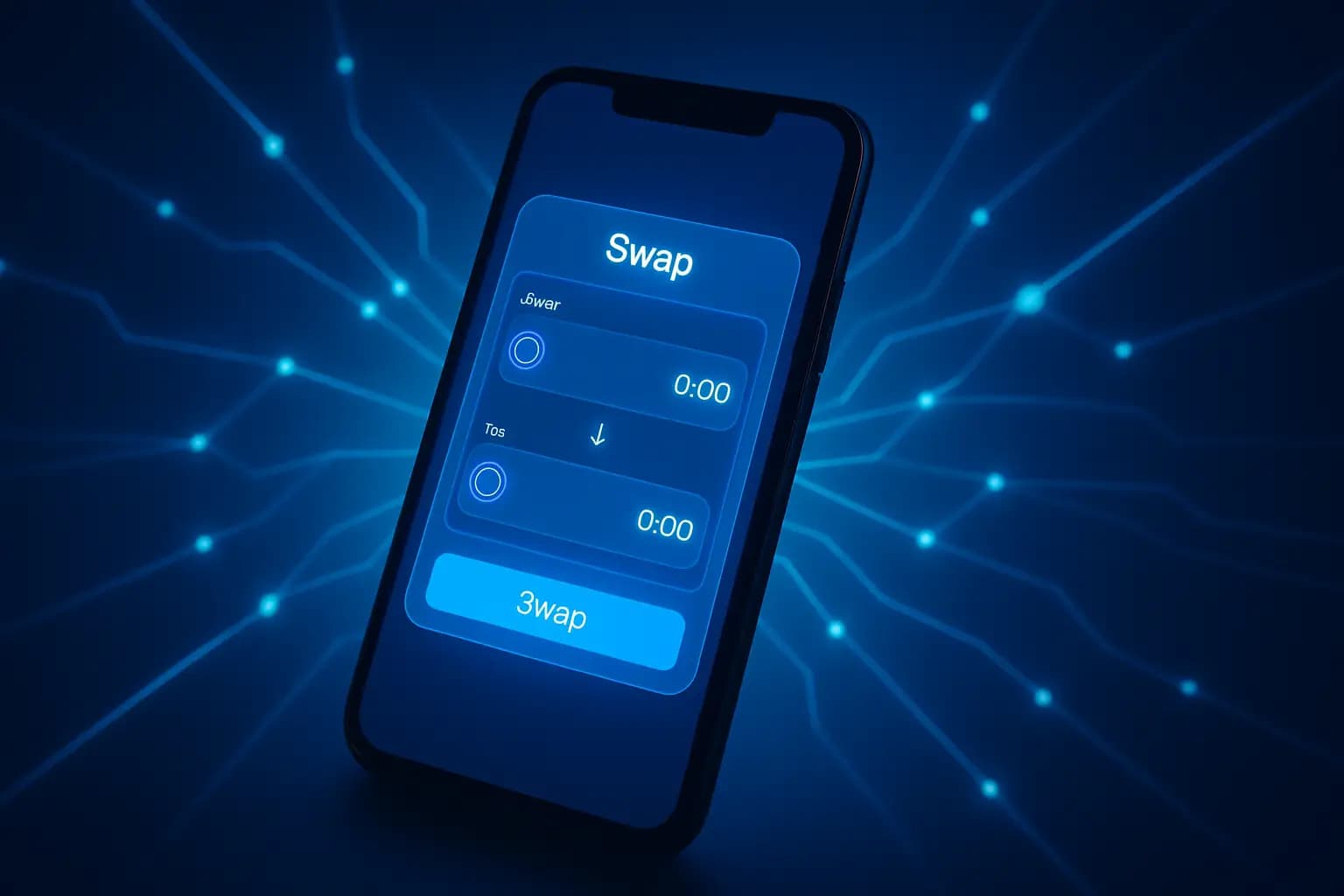
Select BNB or USDT as your input token and THE as the output token. Check the exchange rate, the price impact percentage, and the slippage tolerance before confirming. High slippage settings protect your trade from failing but can also cost more. A slippage of 0.5 to 1 percent is a reasonable starting point for liquid pairs.
5. Confirm the transaction
Your wallet will prompt you to approve the transaction and pay a gas fee in BNB. Gas fees on BNB Chain are generally low compared to Ethereum, often a few cents. Once confirmed on-chain, the THE tokens will appear in your wallet within seconds.
Key Risks to Consider Before Buying
Buying any altcoin carries risks that go beyond simple price movement.
- Smart contract risk. Thena's contracts have been audited, but no audit eliminates all vulnerabilities. Funds held on a DEX or in a protocol are exposed to potential exploits.
- Liquidity risk. THE is not listed on every major centralized exchange. Thinner liquidity means larger price swings and wider spreads.
- Regulatory uncertainty. Crypto regulation is evolving in many jurisdictions. Token utility and legal treatment can change.
- Volatility. Smaller-cap tokens can lose significant value quickly. Only invest amounts you can afford to lose entirely.
Diversifying across assets and avoiding over-concentration in a single protocol token are basic risk management steps worth taking seriously.
Storing and Managing THE After Purchase
Once you hold THE, you have options beyond simply leaving it in a wallet. Thena's platform allows holders to lock THE into veNFT positions, which grant voting rights over liquidity emissions and a share of protocol fees. This model, popularized by Curve Finance's vote-escrowed design, rewards longer lock periods with more voting power.
For long-term holders, a hardware wallet such as a Ledger device adds a layer of security. Software wallets are convenient but exposed to browser and device vulnerabilities. Moving meaningful holdings to cold storage is a recognized best practice in the industry.
Keep records of every purchase, swap, and fee paid. Many jurisdictions treat crypto-to-crypto swaps as taxable events, so tracking your cost basis from the start saves headaches later.
As covered in reporting by Kabul University's crypto education channel, step-by-step guides like this one reflect growing global demand for accessible information on newer DeFi tokens outside the top ten by market cap.

Crypto & Markets Analyst
Jordan breaks down crypto markets and digital assets for everyday readers.