
How Crypto Is Valued in Divorce: ABA Weighs In on Digital Assets
The American Bar Association is addressing how digital assets should be valued during divorce proceedings, a question that courts and attorneys increasingly face.
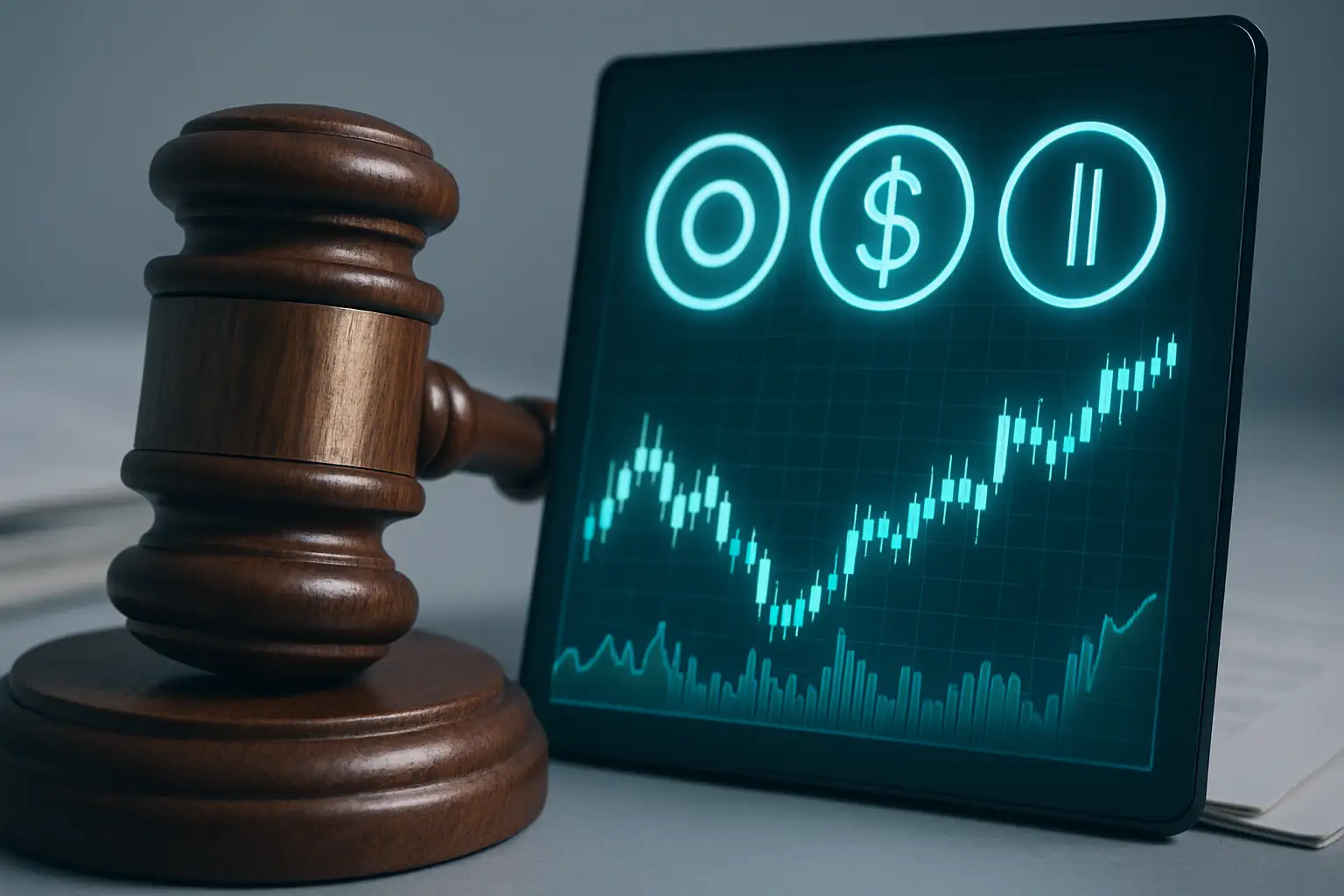


Divorce Law Is Catching Up to Crypto
As cryptocurrency holdings become more common among American households, family law attorneys are running into a practical problem: how do you fairly value digital assets during a marital dissolution? The American Bar Association has taken up the question, publishing guidance on treating crypto on the balance sheet in divorce cases.
The challenge is not trivial. Unlike a savings account or a piece of real estate, digital assets can swing in value by double-digit percentages within a single day. A Bitcoin holding worth $60,000 on the date a divorce petition is filed may be worth far more or far less by the time a settlement is reached or a judge issues a ruling. That volatility makes equitable distribution genuinely complicated.
The ABA's analysis acknowledges that attorneys and courts must grapple with questions that simply did not exist a decade ago. Which date governs the valuation? How are different token types treated? What happens when one spouse controls a private wallet the other spouse cannot access?
Key Valuation Challenges Courts Must Address
Several specific issues complicate crypto valuation in divorce proceedings.
Date of valuation. Courts traditionally rely on a set date, often the date of separation or the date of trial, to value marital assets. With crypto, the choice of date can dramatically shift how much each party walks away with. Attorneys representing different sides of a divorce have strong financial incentives to argue for whichever valuation date favors their client.
Asset identification. Crypto held on a centralized exchange is relatively easy to locate and document through account statements. Assets held in self-custody wallets are harder to trace. A spouse who holds private keys and chooses not to disclose a wallet can effectively hide wealth in ways that are difficult to detect without forensic blockchain analysis.
Classification of tokens. Not all digital assets behave the same way. Bitcoin and Ethereum are treated differently from stablecoins, which are pegged to the dollar. Non-fungible tokens, staking rewards, and tokens associated with decentralized finance protocols each raise distinct accounting questions. Courts and attorneys must determine whether each type of asset qualifies as marital property and how to assign it a defensible dollar value.
Liquidity and transferability. Some tokens are easy to sell on any major exchange. Others trade on thin markets or are subject to lock-up periods. A token that is technically worth a certain amount on paper may not be convertible to cash quickly or without significant price impact.
What Attorneys Are Being Asked to Do Differently
The ABA's focus on this issue reflects how rapidly caseloads are shifting. Family law practitioners who once dealt primarily with bank accounts, retirement funds, and physical property are now fielding cases where a significant portion of marital wealth sits in crypto wallets.
In response, attorneys are increasingly working alongside forensic accountants and blockchain analysts who can trace transaction histories on public ledgers. On a public blockchain, every transaction is recorded permanently. That transparency can actually work against a spouse trying to conceal assets, provided the opposing party knows where to look and has the technical expertise to interpret the data.
Experts in the field recommend that practitioners request full disclosure of any wallet addresses, exchange account statements going back several years, and records of any transfers made in the period leading up to separation. Dissipation of marital assets, a concept courts take seriously, can extend to a spouse who transferred crypto to a new wallet or converted holdings to cash shortly before filing.
Valuation experts are also being called on to provide testimony in court about market prices at specific points in time, drawing on exchange data and market history. The methodology used matters. Courts have varied in how they treat different valuation approaches, and there is not yet a fully uniform standard across jurisdictions.
A Growing Area of Legal Practice
The ABA's attention to digital assets in marital dissolution reflects a broader institutional recognition that crypto is no longer a niche concern. Millions of Americans hold some form of digital asset, and as wealth accumulates in these instruments, divorce proceedings will inevitably involve them more often.
For practitioners, the takeaway is that competence in crypto-related divorce matters now requires more than a passing familiarity with blockchain technology. It requires understanding how markets work, how assets are custodied, and how to make a credible argument to a judge about value when that value shifts daily.
Family courts are still developing the frameworks to handle these disputes, and the ABA's guidance is one signal that the legal profession is working to stay ahead of the curve.


Crypto & Markets Analyst
Jordan breaks down crypto markets and digital assets for everyday readers.